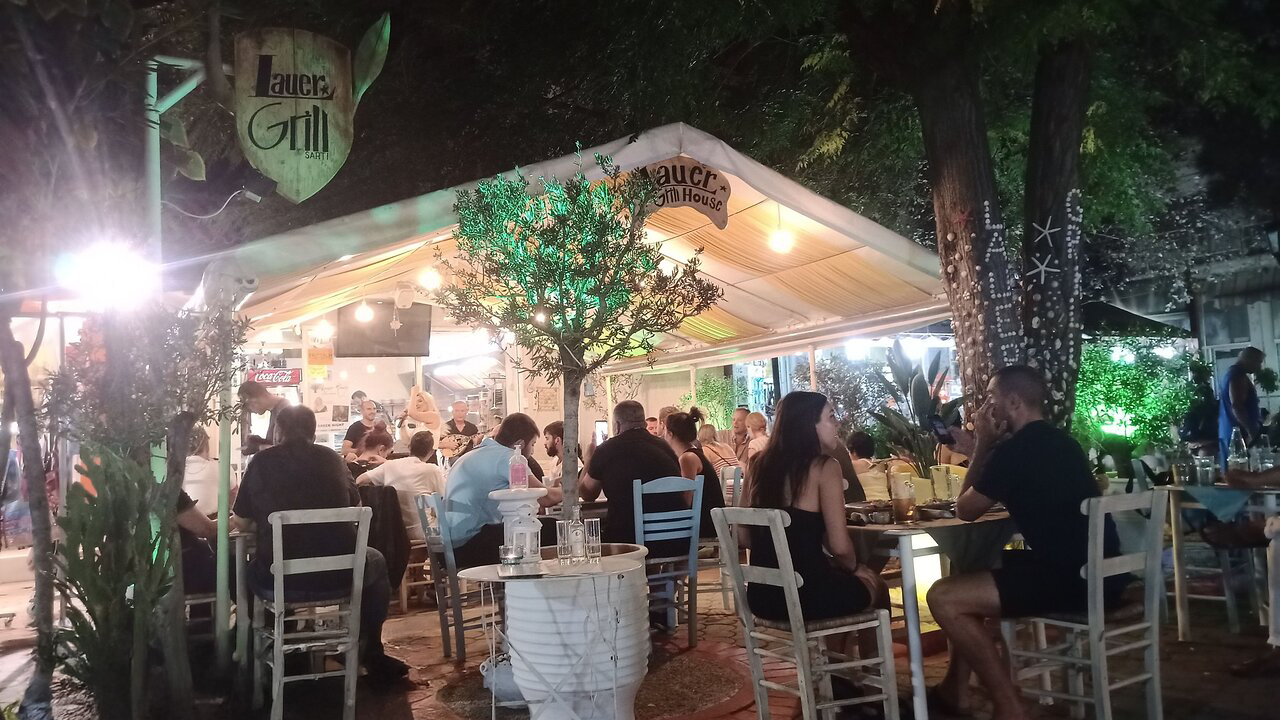
Twice a week, our taverna in Sarti changes character. The tables fill a little earlier, the lights feel a little warmer, and at 20:00 the first bouzouki notes cut through the conversation. Every Wednesday and Thursday evening, Lauer House hosts live Greek music - bouzouki-led sets of rebetiko and laiko, the two great song traditions of urban Greece. If you have never heard this music played live, at close range, over a long dinner, it is one of the most Greek experiences Sithonia can offer. Here is what the music actually is, what the evening looks like, and how to be part of it rather than just watch it.
What Is Rebetiko?
Rebetiko is often called the Greek blues, and the comparison earns its keep. It is urban song born in the port cities of the early twentieth century - Piraeus, Thessaloniki, Smyrna - and it grew explosively after 1922, when more than a million Greek refugees from Asia Minor arrived carrying eastern musical traditions with them. The songs came out of hard neighbourhoods and harder lives: poverty, prison, exile, love gone wrong, the small defiant pleasures of the tavern. Musically, rebetiko is built on eastern modal scales called dromoi (roads), sung in a raw, unvarnished voice over stringed instruments. Once the music of the margins - at times suppressed and censored - rebetiko was embraced over the decades by all of Greek society, and in 2017 UNESCO inscribed it on the list of humanity's intangible cultural heritage. Today it is treasured the way Americans treasure Delta blues: as the honest root of everything that came after.
Laiko: The People's Music
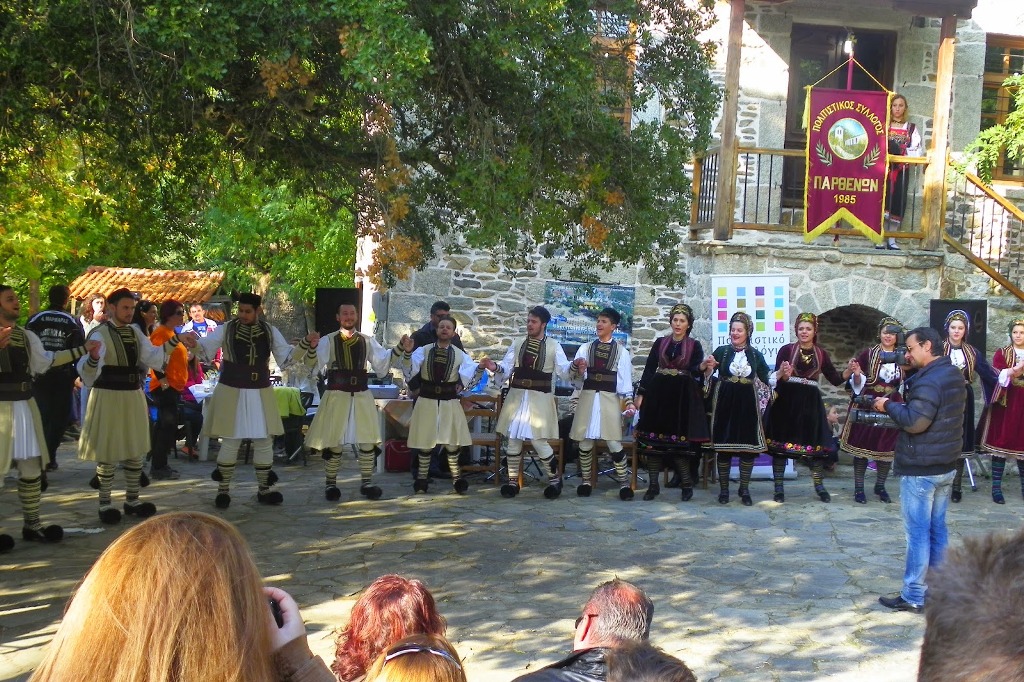
Laiko - literally "of the people" - is what rebetiko grew into from roughly the 1950s onward. The bouzouki stayed at the centre, but the sound opened up: bigger arrangements, sweeping melodic lines, lyrics that traded the underworld's slang for universal heartbreak and longing. This is the music of postwar Greece, of packed music halls and kitchen radios, and it remains the emotional backbone of the Greek song repertoire. A good live set moves between the two traditions naturally - a smoky old rebetiko number sliding into a laiko song the whole room knows - and that blend is exactly what our musicians play. For the wider picture of how these urban styles sit alongside Greece's regional folk dances and village traditions, see our companion post on Greek music and dance traditions in Halkidiki; this post is about the taverna night itself.
The Instruments: Bouzouki and Baglamas
The bouzouki is the voice of both genres: a long-necked, pear-bodied lute with a bright, ringing metallic tone, played with fast tremolo picking that can turn a single melodic line into something that shimmers. Early rebetiko players used three-course (six-string) bouzoukis; the four-course version that arrived mid-century allowed richer chords and became the standard for laiko. Beside it you will often hear the baglamas - essentially a miniature bouzouki, small enough that prisoners and street musicians of the old days could hide one under a coat. Its high, chiming voice sits above the bouzouki like light on water. Add a guitar holding down the rhythm and you have the classic small rebetiko company: no amplified wall of sound, just three instruments and a voice, close enough to see the fingers move.
What the Evening Looks Like
We are open daily from 10:00 to 24:00 in season, and on Wednesdays and Thursdays the music begins at 20:00 and carries on through the evening. There is no stage in the concert-hall sense - the musicians play in the taverna, among the tables, which is how this music has always lived. A practical rhythm for the night:
- Arrive between 19:00 and 19:30 if you want to settle in, order unhurried, and have your first plates on the table when the music starts. Tables on music nights fill up - contact us ahead to be safe.
- Order for the long haul. This is a two-to-three-hour dinner, not a quick meal. Meze to share, fresh seafood from the day's catch, or our signature slow-braised goat shank - the kind of dish that keeps pace with a long set. You can preview everything at menu.lauerhouse.gr.
- Let the sets breathe. The musicians play in waves - quieter, older songs early on, building to the big laiko numbers as the night deepens and the room warms up.
Songs of Love, Sea and Exile
You do not need Greek to feel what these songs are about, because they are about three things above all. Love - usually thwarted, remembered, or impossible, sung with an intensity that needs no translation. The sea - inevitable for a nation of sailors and islanders, full of harbours, departures and boats that may not return; the songs land differently when you can hear the actual Aegean a few streets away in Sarti. And xenitia - the untranslatable Greek word for the ache of exile and emigration, of living far from home. Rebetiko was made by refugees and laiko matured in the decades when Greeks scattered across the world for work, so the longing in these melodies is not a performance. Watch the Greek tables during certain songs and you will see people fall silent, then sing.
How to Join In
Greek taverna music is participatory, but on its own terms. Clapping along is always welcome - Greeks clap on the beat, loudly, and nobody minds enthusiasm. Singing along, if a chorus catches you, is even better. Dancing happens when the mood peaks: sometimes a solo zeibekiko, the slow, improvised man's dance that the room watches in respectful near-silence, sometimes a line dance that strangers get pulled into. If someone extends a hand, take it - steps can be faked, joy cannot. One myth to retire: plate smashing. Yes, it was once a real practice in Greek music halls, an extravagant gesture of kefi - high spirits. Today it is history rather than practice, phased out decades ago; modern Greeks throw flowers or napkins at most, and mostly they just dance harder. You will find photos of past music nights in our gallery, and everything about the weekly schedule on our live music page. For the rest of the area's after-dark options, our Halkidiki nightlife guide has you covered.
Come hungry, come early, and come without a plan for the rest of the night - the best Greek evenings refuse to be scheduled. Wednesday and Thursday from 20:00, the bouzouki does the talking, and we will keep the plates and carafes coming for as long as the music holds.