If your Halkidiki holiday falls in mid-August, one date will shape everything around you: August 15, the feast of the Dormition of the Virgin, known simply as Dekapentavgoustos - 'the Fifteenth of August'. It is the biggest holiday of the Greek summer, often called the Easter of summer, and for about a week either side of it the whole country moves to the coast. Here is what the day means, how it is celebrated around Halkidiki and Sithonia, and how to plan so that the busiest week of the year works for you rather than against you.
What Dekapentavgoustos Means
August 15 commemorates the Dormition - the Koimisis, or falling asleep - of the Virgin Mary. In Orthodox Greece the Panagia, as she is affectionately known, is the most beloved figure of popular devotion, and her feast outranks every other summer celebration. The fifteen days leading up to it, from August 1, are traditionally a period of fasting and of evening Paraklesis (supplication) services in parish churches - a quiet, candlelit build-up that most visitors never notice until the bells suddenly seem to ring more often.
It is also one of Greece's biggest name days. Everyone named Maria, Marios, Panagiotis, Panagiota or Despina celebrates on August 15, which in practice means a very large share of the population has somewhere to be and someone to toast. Expect phones ringing all day and tables pushed together everywhere you look.
Church Services and Processions
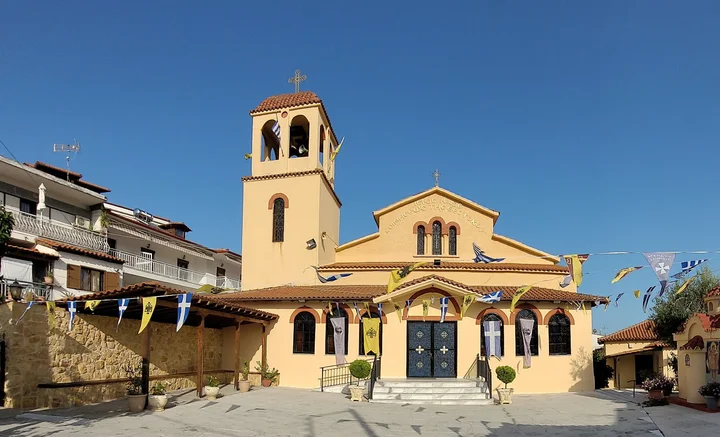
The religious heart of the feast unfolds over two days. On the evening of August 14, churches dedicated to the Panagia hold festal vespers, often followed by the first night of celebration. On the morning of August 15 comes the Divine Liturgy, and in many parishes the icon of the Virgin is carried in procession through the streets, accompanied by chanting, church bells and, in some places, a village band. Visitors are welcome at all of it: stand quietly at the back, dress modestly with covered shoulders and knees, and feel free to light a candle as locals do. Since so many churches across Halkidiki are dedicated to the Dormition, you rarely need to travel far to witness the feast - ask locally which nearby church is celebrating, as the scale varies from village to village. If you happen to be near a church on its feast, follow the sound of the bells and the smell of incense - the procession usually loops the neighbouring streets and returns within the hour, and watching it pass from a shaded doorway is a memory that outlasts most beach days.
How Halkidiki Celebrates
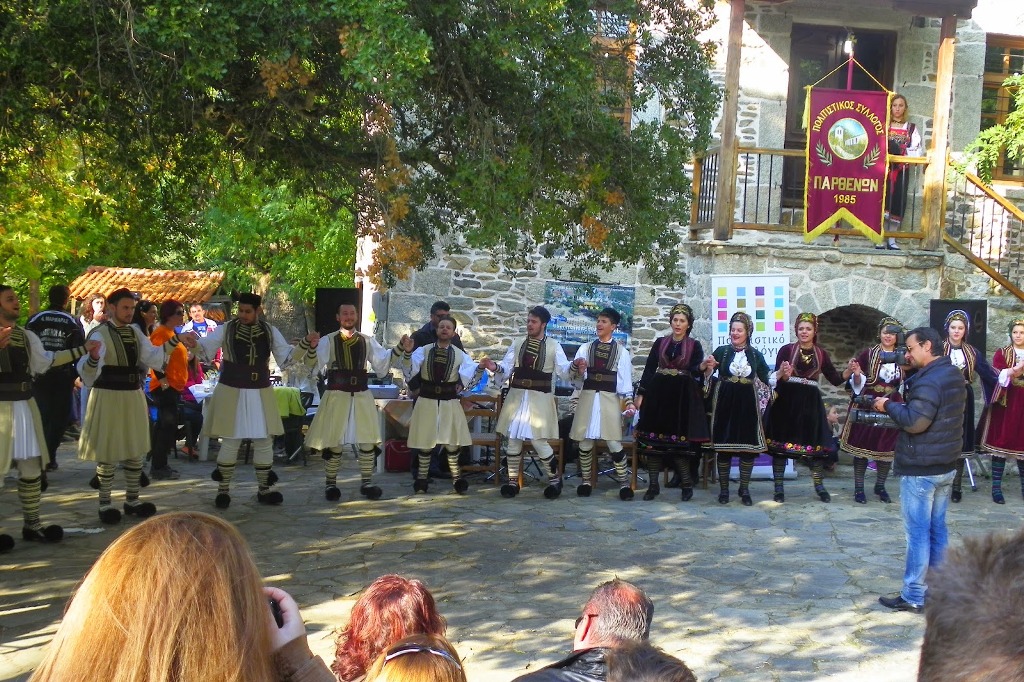
Once the liturgy ends, the day pivots from solemn to joyous. This is prime panigiri season: village squares fill with long tables, grills, wine and live music, often starting on the eve and running deep into the night of the 15th. If you want the full background on these festivals - what they are, how they work and how to join the circle dances - read our guide to Greek festivals and celebrations in Halkidiki. Beyond the organised feasts, the day has an unmistakable texture: beaches at full capacity by mid-morning, multi-generation families staking out shade, the smell of charcoal drifting from every direction, and an afternoon lull while half of Greece naps before the evening round of visits and dinners. In Sarti, this is the village at its liveliest moment of the whole year - buzzing, noisy and full of celebration.
The Family Table
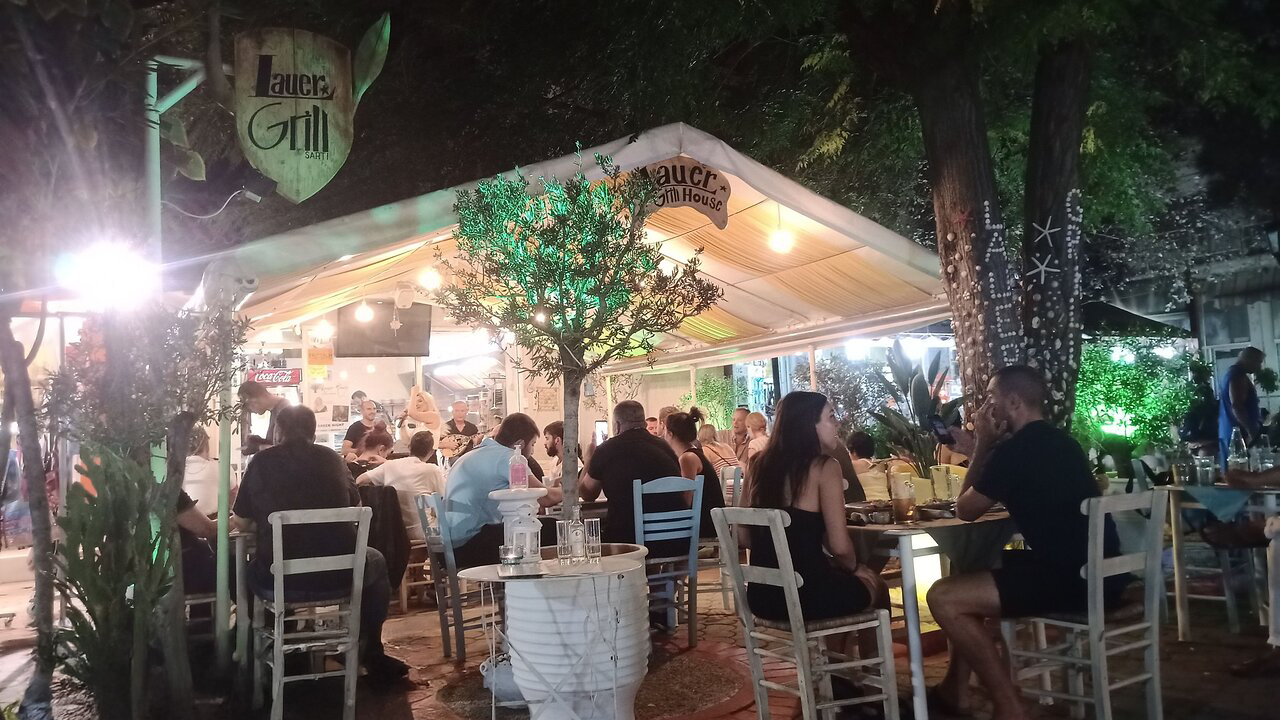
Dekapentavgoustos is above all a feast in the literal sense. The fast ends, and the table answers: slow-roasted or braised goat and lamb are the classic centrepieces across northern Greece, alongside stuffed vegetables, pites, village salads and, on the coast, platters of grilled fish and seafood. Sweets follow, coffee follows the sweets, and the meal dissolves into hours of conversation - watermelon appears, someone produces a homemade spoon sweet, and the youngest generation is dispatched for more bread. If you are not lucky enough to be adopted by a Greek family for the day, a taverna table is the next best thing - at Lauer House our kitchen's signature slow-braised goat shank belongs to exactly this tradition of festive, fall-off-the-bone celebration cooking, served alongside fresh seafood from the gulf. You can browse everything in advance at menu.lauerhouse.gr.
Crowds, Traffic and Booking Ahead
Now the honest part: the week around August 15 is the busiest of the Greek year, and Halkidiki - Thessaloniki's summer playground - feels it more than most regions. Plan for it:
- Roads: the routes into Kassandra and Sithonia are heavily loaded, especially on the weekends bracketing the 15th and the days just before it. Travel early in the morning if you can, and allow far more time than the map suggests. Our transportation guide to getting around Halkidiki covers routes, buses and driving tips.
- Rooms: accommodation for this week sells out months ahead. If you have not booked yet, do it now.
- Tables: restaurants fill fast on the 14th and 15th. Reserve ahead rather than wandering hopefully at 21:00 - you can contact us to book a table at Lauer House.
- Shops and fuel: stock up a day or two early; queues build, and some businesses close on the holiday itself.
- Beaches: arrive early or embrace the crowd. Sunbeds are claimed by mid-morning.
- Heat and sun: mid-August is fierce; our safety and health tips for Halkidiki cover sun sense, hydration and pharmacies.
Making the Week Work for You
The trick with Dekapentavgoustos is to stop fighting it. Shift your rhythm to match the locals': beach or excursions early, a long lunch, a proper afternoon rest, then out again as the light softens and the villages come alive. Say 'chronia polla' - many years - to anyone celebrating a name day, accept the sweet or the drink that may be offered back, and treat the crowds as part of the spectacle rather than an obstacle. There is no better week to understand why Greeks guard their August so fiercely: the whole country is briefly doing the same thing at the same time, and it is genuinely joyful to be inside it.
There is a bonus for anyone staying on: from August 16 the tide turns almost overnight. Greek holidaymakers begin drifting back to the cities, the roads flow again, and the last two weeks of August combine warm seas and long golden evenings with noticeably more room on the sand - many regulars consider it the finest stretch of the whole summer.
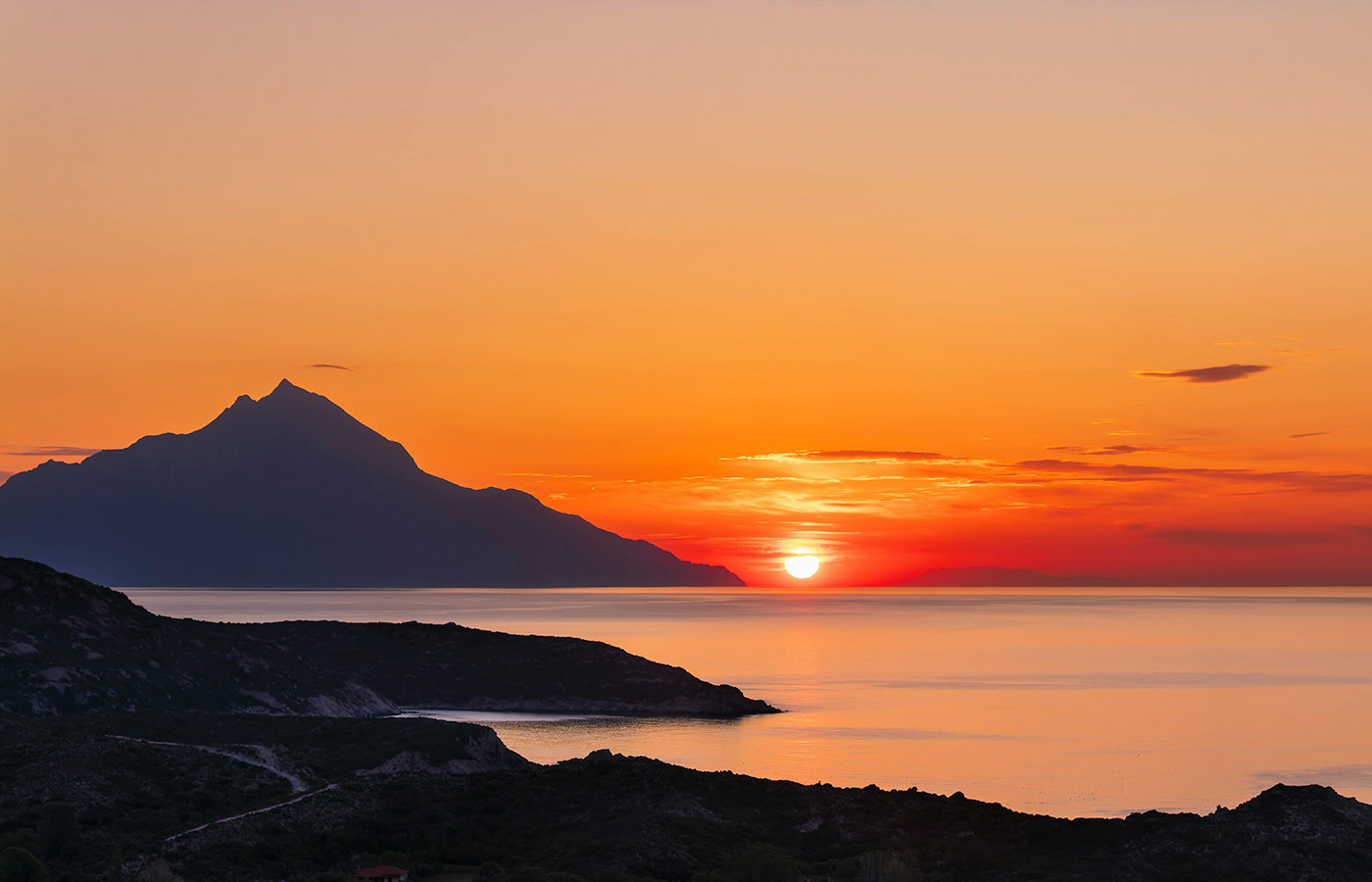
If your holiday lands on this special week, let us make it easy. Lauer House is open daily from 10:00 to 24:00 through the season, with live Greek music every Wednesday and Thursday from 20:00. Book your table ahead for the days around the 15th, order the goat shank, and celebrate the Panagia's feast the way Sarti does - at a full table, slowly, with the sea a few steps away.