Greek music and dance represent far more than entertainment - they form the living heartbeat of a culture that has expressed its joys, sorrows, and identity through rhythm and movement for millennia. Visiting Halkidiki offers numerous opportunities to experience these traditions firsthand, whether watching skilled dancers at a village festival, joining hands in a spontaneous taverna celebration, or simply listening to the distinctive sound of bouzouki drifting across a summer evening. Understanding the traditions behind what you witness transforms observation into genuine cultural appreciation and perhaps even participation.
The musical traditions of northern Greece, including the Halkidiki region, blend influences from across the Balkans and Asia Minor with distinctly Hellenic characteristics. The bouzouki, now synonymous with Greek music worldwide, actually became prominent only in the 20th century, emerging from the rembetika tradition of urban refugees from Asia Minor. Older instruments like the clarinet, violin, and various drums carry the melodies of traditional Macedonian music, which features complex rhythms and haunting minor-key melodies that differ noticeably from the more familiar island music of southern Greece. At tavernas and restaurants throughout the region, including Lauer House in Sarti, live music evenings bring these traditions to life, with musicians performing both beloved classics and local favorites. Evening entertainment throughout Halkidiki frequently features live Greek music.
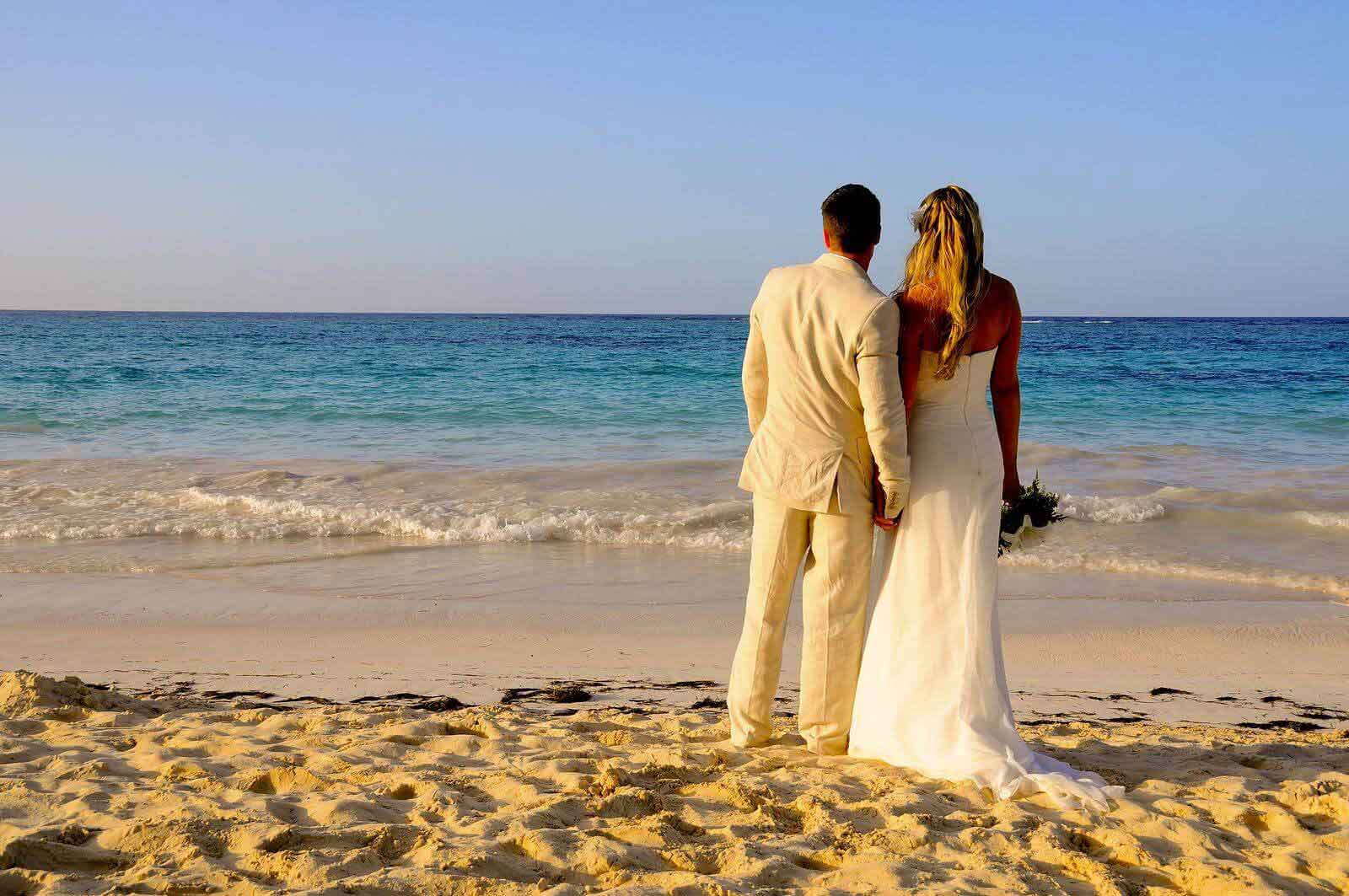
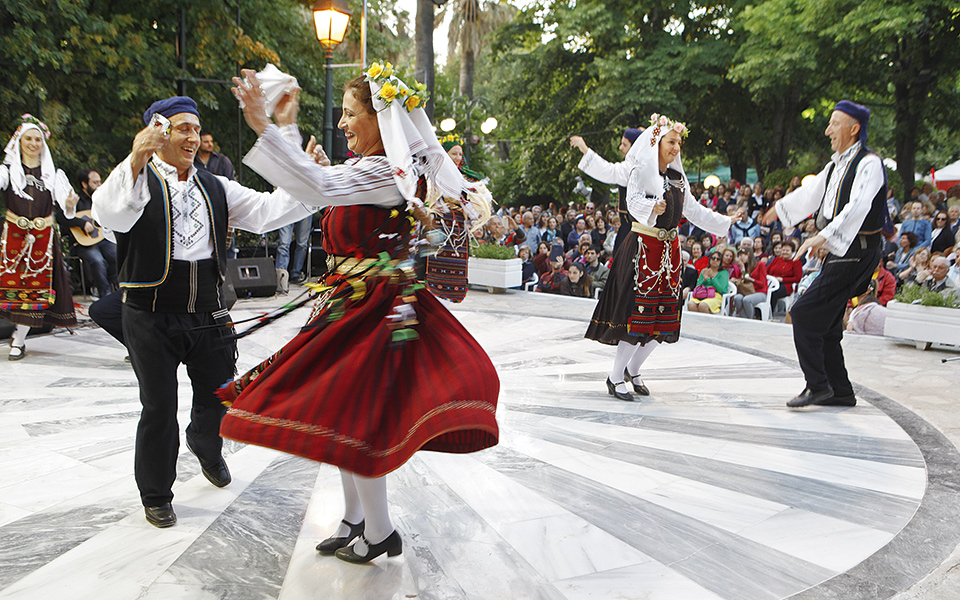
Dance in Greece operates as a communal activity rather than a spectator sport, and visitors should expect invitations to participate. The famous sirtaki, popularized globally by the film Zorba the Greek, provides an accessible entry point - its simple side-step pattern allows newcomers to join lines of dancers without extensive practice. Traditional dances like the hasapiko (butcher dance), kalamatianos (a graceful chain dance), and various regional variations each carry specific meanings and occasions. Wedding celebrations feature particular dances, as do seasonal festivals and religious occasions. The key to participating lies in watching briefly, then joining with confidence even if imperfect - Greeks appreciate effort and enthusiasm over technical precision. Wedding celebrations in Halkidiki offer some of the most vibrant dance traditions.
Multiple venues and occasions throughout Halkidiki showcase Greek music and dance traditions. Village panigiri festivals, held on patron saints days throughout summer, feature local musicians, dancing that continues past midnight, and an atmosphere of community celebration that welcomes visitor participation. During Greek Easter and other major holidays, music and dance form essential components of celebrations. Many restaurants and bars offer scheduled live music nights, particularly during the tourist season. Beach clubs in Kassandra blend contemporary and traditional music, while more traditional tavernas in Sithonia villages tend toward authentic repertoires. The spontaneous outbreak of dancing when a beloved song plays remains one of the most characteristically Greek experiences a visitor can witness.
For those wishing to delve deeper into Greek musical culture, several options exist. Some resorts and cultural organizations offer dance workshops that teach basic steps and their cultural context. Music stores in Thessaloniki sell instruments and recordings for those inspired to continue their exploration at home. Simply engaging locals in conversation about music often yields passionate recommendations and personal stories about songs significance. The bouzouki itself has a fascinating history intertwined with 20th-century Greek social movements and the experience of refugees who brought Asia Minor traditions to the mainland. Whether you find yourself clapping along at a beachside bar, attempting your first hesitant dance steps in a village square, or simply moved by the haunting melodies drifting from a traditional kafenio, Greek music provides a pathway to understanding this culture at a level that guidebooks cannot convey. At Lauer House, special evenings occasionally feature live music that complements our traditional cuisine, creating complete sensory experiences of Greek hospitality.