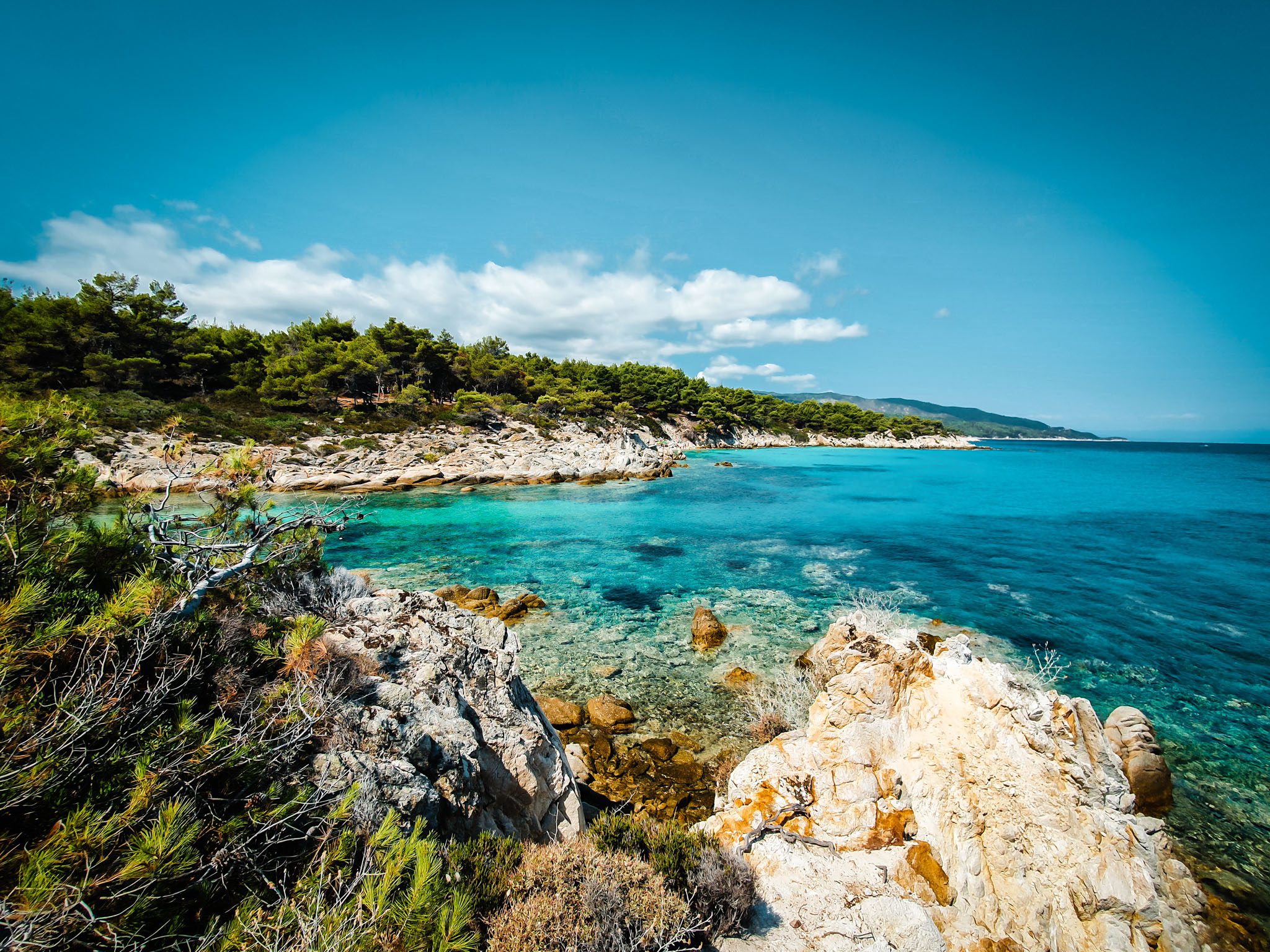
Most visitors experience Sithonia from sea level: a chain of beaches, a coastal road, a taverna table at sunset. But the middle of the peninsula rises into a genuinely wild pine forest, crowned by Mount Itamos, and almost nobody walks it. If you can tear yourself away from the water for a morning, the interior rewards you with resin-scented shade, dirt roads that roll on for hours without traffic, and ridgeline viewpoints where both gulfs of Sithonia appear at once. This guide covers the trails and forest roads reachable from the Sarti and Sykia side, what you will see, and when to go.
Meet Mount Itamos, Sithonia's Green Spine
Mount Itamos, also known locally as Dragoudelis, is the high ground that runs down the centre of the Sithonia peninsula, topping out at a little over 800 metres. The name comes from the Greek word for the yew tree, which still grows in scattered pockets on the cooler, shadier slopes alongside the dominant pines. Unlike many Greek mountains, Itamos is not bare rock: it is densely forested almost to the summit ridge, which makes it walkable even in warm weather and gives the whole interior a hushed, needle-carpeted character.
The forest survived the large fires that have touched other parts of Halkidiki over the decades, and locals treat it with real care. You will notice fire lookout points, water tanks and well-maintained firebreaks throughout, and a network of forestry roads that double as the main hiking arteries. There are few formal waymarked trails compared with mainland mountains, so most walkers combine mapped forest roads with short connecting paths.
Trailheads and Forest Roads from the Sarti and Sykia Side
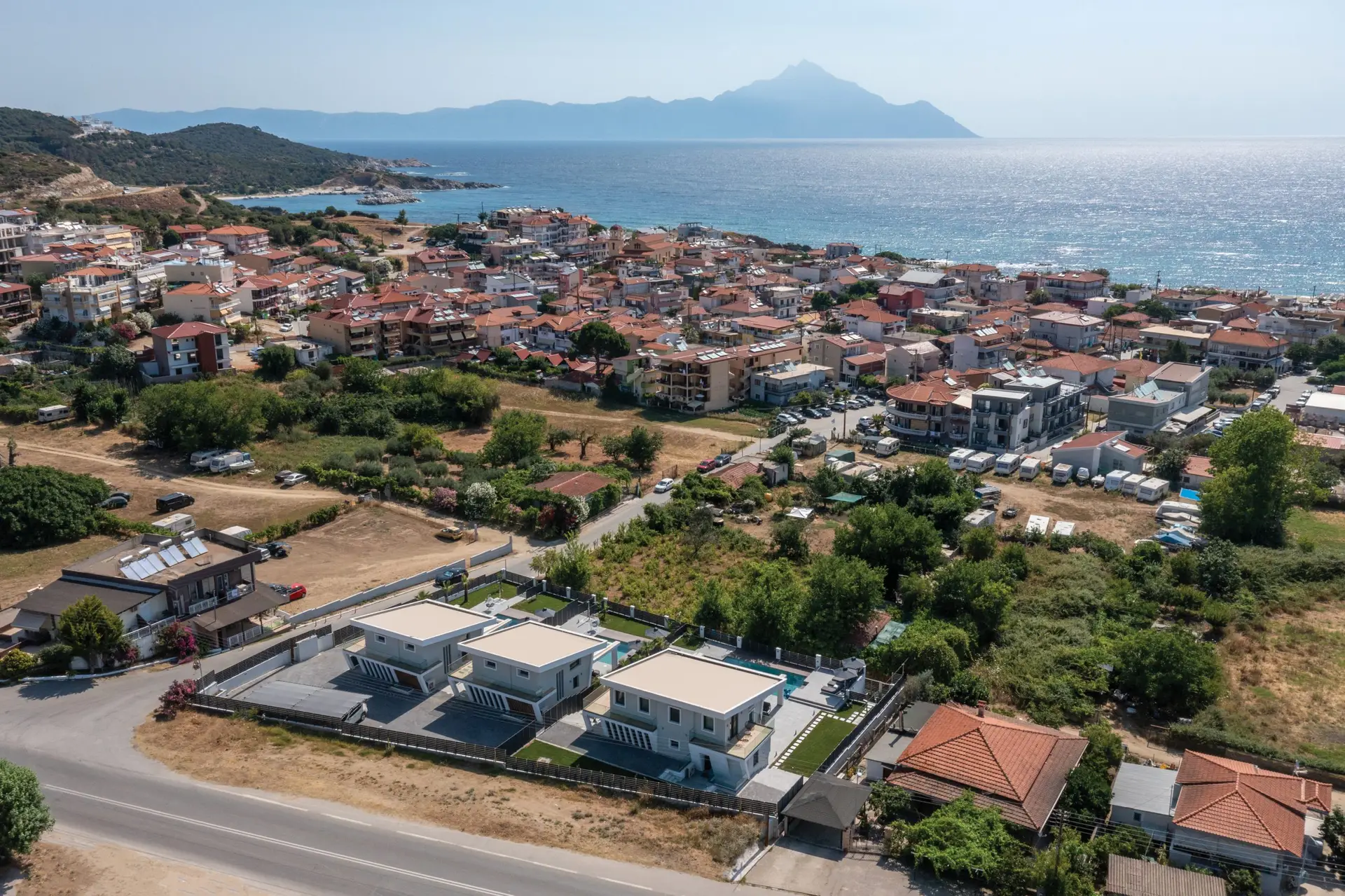
From Sarti, the mountain sits directly behind the village: walk inland and up, and you are in the foothills within minutes. The most useful access points on the east side of the peninsula follow this pattern:
- Directly above Sarti: dirt roads climb west out of the village through olive terraces into the pine belt. These are gentle at first, then steepen, and link into the wider forest-road network. Good for a half-day out-and-back with sea views behind you the whole way.
- From the Sykia side: Sykia, the large inland village south of Sarti, is one of the oldest settlements on the peninsula and sits closer to the main mass of the mountain. Forest roads head northwest from its outskirts towards the central ridge and eventually connect with routes coming up from the Neos Marmaras and Parthenonas side.
- The central ridge road: a long unpaved spine road runs along the top of the peninsula. Reaching it on foot is the main objective of most day hikes; once you are on it, the walking is easy and the views constant.
Download an offline map before you set out. Junctions are frequent, signage is sparse, and phone signal fades in the deeper folds of the forest. A GPS track or a good offline hiking app turns a confusing network into a relaxed day out.
The Summit Ridge: Two Gulfs at Once
The reason to gain the height is the geography lesson at the top. From the ridge and the summit area, the peninsula narrows visibly beneath you: to the west lies the Toroneos Gulf with the Kassandra peninsula stretched along the horizon, and to the east the Singitic Gulf, with the unmistakable pyramid of Mount Athos rising from the sea. On clear days, especially after wind has scrubbed the haze away, you can trace the entire east-coast beach chain from Vourvourou down past Sarti.
Photographers should aim for early morning, when the light comes across the Athos side, or late afternoon for the Toroneos Gulf. If you enjoy shooting landscapes, the ridge belongs on the same shortlist as the coastal viewpoints in our Halkidiki photography guide. Even without a camera, plan to linger: there are natural clearings and rock outcrops that make ideal picnic stops, and in shoulder season you may not see another person all day.
Spring Wildflowers and Forest Life
April, May and early June transform the mountain. The understorey fills with rockrose in white and pink, wild orchids appear along the road banks, and the air smells of warm resin, thyme and flowering broom. Strawberry trees and heather colour the lower slopes, and the yews that give the mountain its name hide in the damper gullies. Butterflies are everywhere in late spring, and you will hear far more birds than you see: jays, woodpeckers and, higher up, birds of prey circling the thermals over the ridge.
Tortoises amble across the forest roads in the cooler months, and you may spot tracks of wild boar in the mud around springs. Snakes exist here as they do everywhere in rural Greece, but they avoid people; watch your step in long grass and you are very unlikely to meet one. Autumn brings its own show, with mushroom hunters out after the first rains and a second, softer flowering in October.
What to Bring
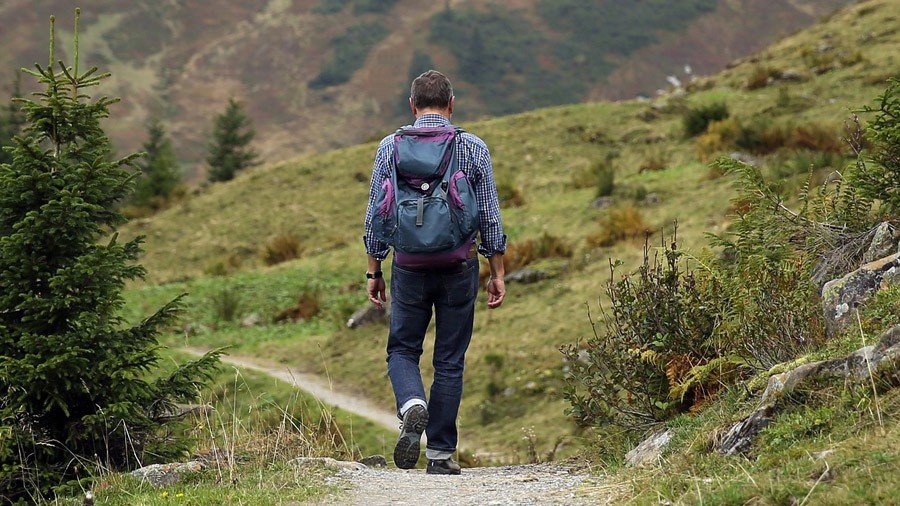
This is easy walking by mountain standards, but it is remote by Sithonia standards, and services simply do not exist once you leave the coast. Our full Halkidiki packing guide covers holiday basics; for the mountain specifically, carry:
- Water, and more than you think: at least two litres per person in warm weather. Springs marked on maps are not always flowing.
- Real shoes: trainers with grip are fine on forest roads; sandals are not.
- Offline navigation: a downloaded map area plus a charged power bank.
- Sun and shade layers: the forest shades much of the climb, but the ridge is exposed.
- Snacks or a picnic: there are no kiosks, tavernas or shops anywhere in the interior.
Tell someone at your accommodation roughly where you are heading and when you expect to be back. It is a small habit that costs nothing.
Fire Season, Timing and the Shoulder-Season Advantage
One serious note: Greek forests operate under fire-danger rules from roughly May to the end of October. On days when the fire-risk rating is high, access to forest areas can be restricted, and open flames of any kind are always forbidden in summer. Restrictions change day to day, so check locally before you hike in July and August: your host or any village office will know the current status. Never smoke on the trail, and report any smoke you see immediately.
Honestly, though, high summer is not the best time for this mountain. The ideal windows are April to mid-June and mid-September to early November, when temperatures are kind, the light is clearer and the flowers or autumn colours are out. That timing dovetails perfectly with everything in our shoulder-season guide to Halkidiki: quiet beaches for the afternoon swim, empty roads, and a cool mountain morning to start the day. If you are staying in Sarti outside peak season, a hike up Itamos is arguably the single best half-day on the east coast, and it pairs well with the other outings in our day trips from Sarti guide.
However far up the mountain you get, you will come down hungry, and the walk earns a proper table. Lauer House sits in Sarti village at the foot of the very slopes you have been walking, open daily from 10:00 to 24:00 in season, with fresh seafood, traditional dishes and a slow-braised goat shank that tastes exactly right after a day in the pines. Browse the menu at menu.lauerhouse.gr, and if your hike lands on a Wednesday or Thursday, stay on for live Greek music from 20:00.