Guides to Sarti tend to skip straight to the turquoise water and leave out the questions you actually ask on day one: where do I park in August, where is the nearest ATM, is anything open on Sunday, and can I drink the tap water? This is the unglamorous companion to our ultimate guide to Sarti: pure logistics for a village that swells from a quiet community in winter to a busy little resort in high summer. Patterns and habits change season to season, so treat this as a field guide to how things generally work, and confirm specifics locally when it matters.
Parking in High Season
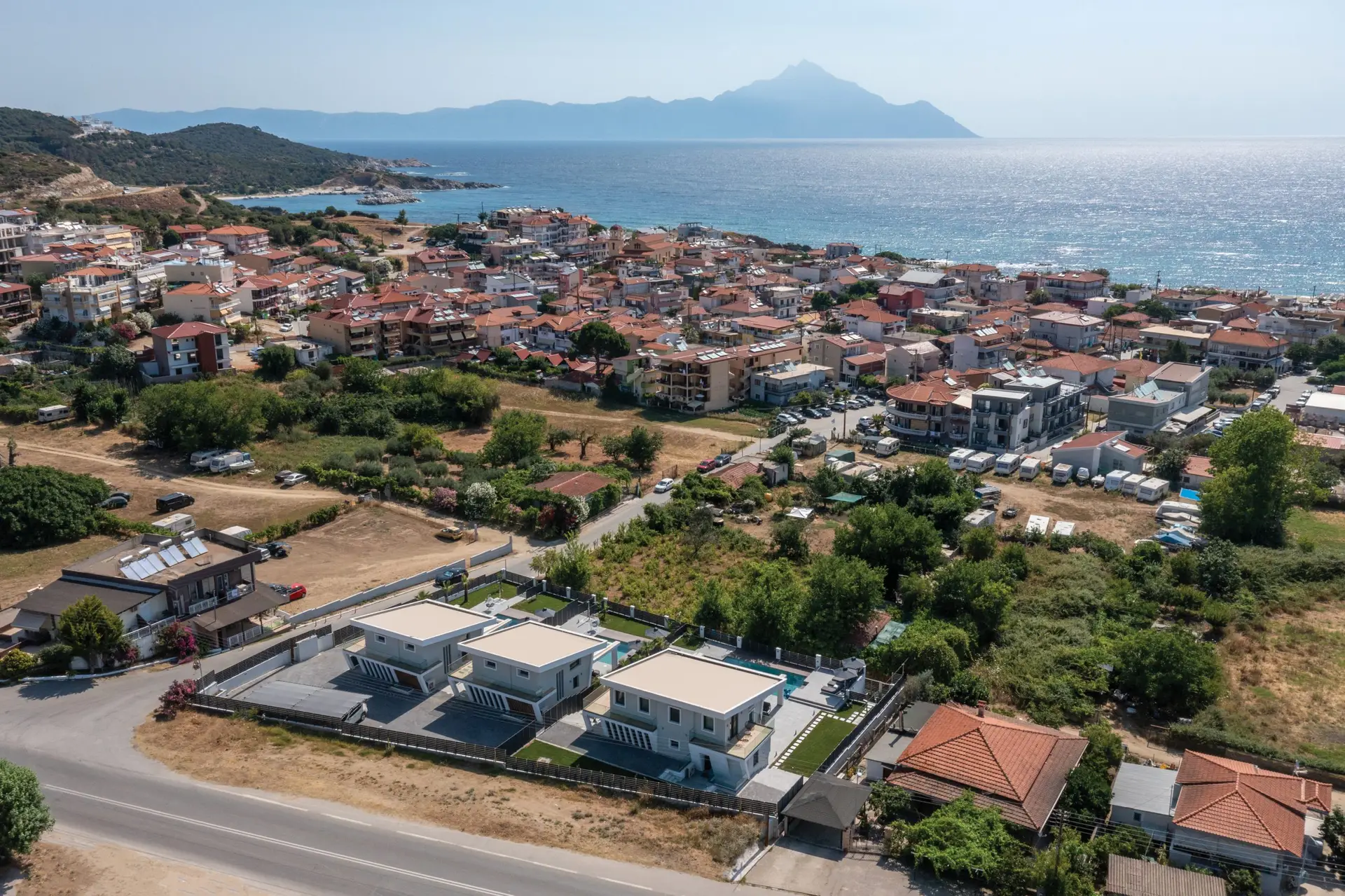
Sarti is a grid of narrow streets between the main road and the beach, and in July and August those streets fill fast. The general pattern:
- Informal lots: open ground and dirt lots on the edges of the village and near the beach entrances absorb most day visitors. Some are free, some charge a daily rate in peak weeks; signage or an attendant makes it obvious.
- Street parking: possible early in the day, hopeless by late morning in August. Do not block gates, corners or the narrow through-lanes; local traffic includes delivery trucks that need every centimetre.
- The smart move: if your accommodation has a space, leave the car there and walk. The village is compact and nothing is more than about fifteen minutes on foot.
- Beach runs: for coves north and south of the village, go before 10:00 or after 17:00; small cove car parks overflow in the middle of the day.
June and September are a different planet: park almost anywhere, almost anytime. It is one more argument for travelling in the shoulder season if your dates allow it.
ATMs and Cash Culture
Sarti has ATMs in and around the main street, a mix of bank machines and independent ones. Two practical notes. First, in peak season machines occasionally run dry over busy weekends, so do not let your cash reserve hit zero before you look for one. Second, independent non-bank ATMs typically charge noticeably higher withdrawal fees and offer poor exchange rates via dynamic currency conversion: if the screen offers to charge you in your home currency, decline and choose euros.
Card acceptance in Greece is now broad, and most supermarkets, tavernas and shops in Sarti take cards. Cash still matters, though: sunbed operators, small kiosks, market stalls and some family businesses prefer it, and tipping is easiest in coins and small notes. A sensible pattern is to carry modest cash for the day and pay bigger bills by card. There is no bank branch culture to rely on in a village this size, so plan around the machines.
Supermarkets, Bakeries and the Rhythm of Shop Hours
In season, Sarti runs long days. Supermarkets, from mini-markets to larger family-run stores, typically open in the morning and stay open into the evening, seven days a week during the peak weeks. Bakeries open early, and their morning output of bread, tiropita and bougatsa disappears fast; go before 10:00 for full shelves. Souvenir, beachwear and gift shops keep resort hours, often opening late morning and staying open well into the night when the evening stroll brings customers.
Out of season the picture inverts: Sunday closures return, midday breaks reappear, and some businesses shut entirely for winter. The Sunday quirk worth knowing even in summer: bakeries commonly open on Sunday morning, larger shops may shorten hours, and anything administrative simply does not happen. For what is worth buying while you are here, from honey to olive products, see our guide to shopping for local products in Halkidiki.
Pharmacies and the Medical Centre
Sarti has pharmacy coverage, and Greek pharmacies are genuinely useful: pharmacists routinely advise on minor ailments, sunburn, insect bites and stomach trouble, and can supply many remedies without a prescription. Look for the green cross. Pharmacies post duty rotations for after-hours cover, displayed in the window, so if one is closed, the sign tells you where to go.
For medical care beyond the pharmacy, villages on the peninsula operate small rural medical posts for basic treatment and assessment, with more serious cases referred up the chain to health centres and, ultimately, hospitals in the region; in a genuine emergency, call 112, the European emergency number, which works from any phone. Ask your host on arrival where the nearest medical post is and how it operates in season; that thirty-second conversation is the best insurance you can get for free. Our safety and health tips for Halkidiki covers the wider topic, from sun sense to sea urchins.
Fuel, Mobile Signal and Water
Fuel: filling stations sit on the main road serving Sarti and at intervals along the Sithonia ring road, not in the village core. The habit that serves you well here: refuel at half a tank rather than running it down, because the southern loop of the peninsula is long, hilly and thin on services. Stations are typically attended service, and paying cash is never a problem.
Mobile coverage: strong in the village and along the main coastal strips on the major Greek networks, patchier in remote coves under cliffs and in the forested interior. If you are hiking inland or boating around quiet bays, download offline maps first. Wi-Fi is standard in accommodation and most cafes.
Water: tap water in the village is used by locals for everything, but many visitors and plenty of residents prefer bottled water for drinking, which is cheap and sold everywhere in large multi-packs. Ask your host what they recommend for your building; in high summer demand peaks, so keeping a few extra litres at home is standard practice. None of this affects ice or cooking in restaurants, which is not something you need to worry about here.
Beach Gear and the Last Practical Bits
Forgot something? Sarti will sell it to you. Beach shops along the main street stock masks, snorkels, fins, water shoes, umbrellas, cooler bags, inflatables and sunscreen all season; quality is fine for a holiday, and buying an umbrella here beats flying with one. Water shoes deserve a special mention: several of the rockier coves reward them. For the full checklist of what to bring versus what to buy locally, our Halkidiki packing guide has you covered.
A few final scraps: the village is walkable end to end, so you rarely need the car once parked; buses connect Sarti with the rest of the peninsula but run on a sparse rural rhythm, so check current timetables locally rather than trusting old screenshots, and see our transport guide for the bigger picture. And rubbish goes in the communal street bins, not beside them; August tests the system enough as it is.
Once the practicalities are handled, the village gets to be what it should be: simple. Park the car, walk everywhere, swim, and let the evenings take care of themselves. Lauer House, our family-run taverna in Sarti, is open daily from 10:00 to 24:00 in season with fresh seafood, traditional Greek dishes and our slow-braised goat shank; the menu is at menu.lauerhouse.gr, and if you need directions or have a question before you arrive, the contact page is the quickest way to reach us.