Of Halkidiki's three peninsulas, Sithonia strikes the perfect balance between development and wilderness. While neighboring Kassandra offers more nightlife and resorts, and Athos remains an autonomous monastic state closed to casual visitors, Sithonia provides the best of both worlds: excellent infrastructure with beaches, restaurants, and accommodations, yet enough wildness that you can still find empty coves and untouched forest. This comprehensive guide covers everything you need to know about the middle peninsula, with Sarti as the ideal base for exploration.
Geography and Getting Around
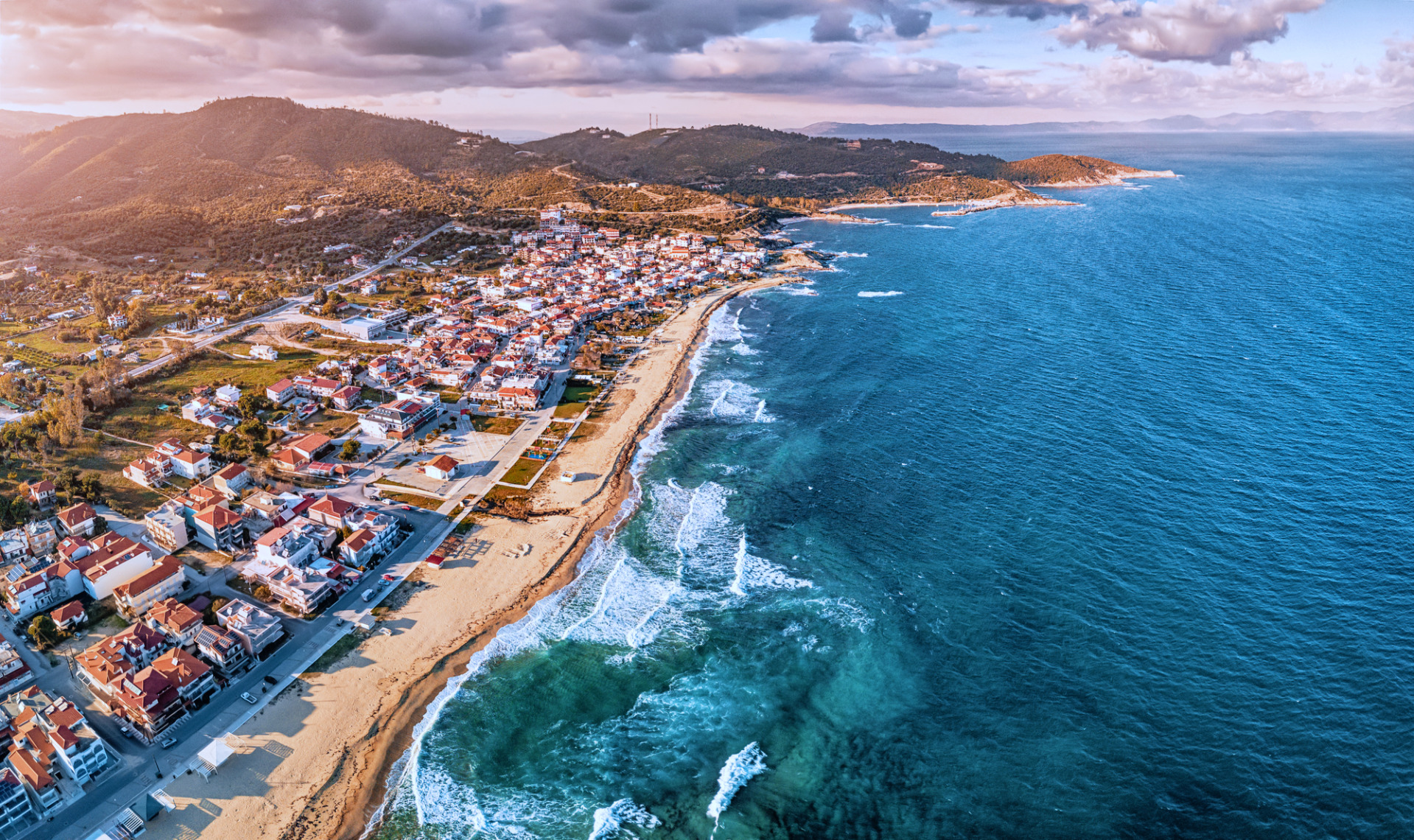
Sithonia extends approximately 50 kilometers south from the main Halkidiki landmass, narrowing from about 15 kilometers wide in the north to a point at Cape Drepano in the south. A single main road circuits the peninsula, with the eastern route passing through Sarti and the western route through Neos Marmaras. The interior remains largely undeveloped, covered in dense pine and oak forest that provides habitat for wild boar, foxes, and numerous bird species. Driving the complete circuit takes approximately 3-4 hours without stops, though allowing a full day for beaches and villages makes more sense. Roads are generally good, though some beach access routes involve unpaved sections. A rental car provides essential flexibility; while buses connect major villages during summer, service is limited and doesn't reach many beaches. Fuel stations appear in larger villages, but fill up before exploring remote areas.
The Villages of Sithonia
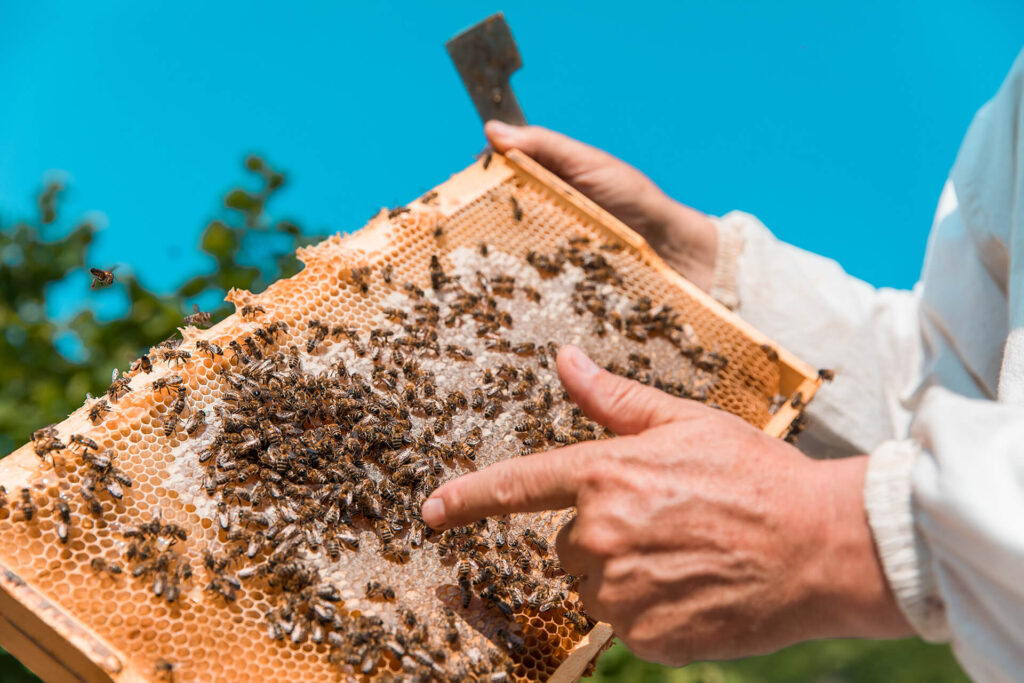
Unlike Kassandra's more resort-focused development, Sithonia retains traditional villages with authentic character. Sarti on the east coast combines beach convenience with village charm, its waterfront tavernas facing Mount Athos across the gulf. Neos Marmaras, the largest settlement, offers the peninsula's best shopping and services, its hillside location providing views over Toroneos Gulf. Vourvourou consists of scattered accommodations around a beautiful bay, perfect for families and water sports. Nikiti, near the peninsula's neck, features a preserved old town of stone houses and craft shops worthy of a stroll. Smaller villages like Parthenonas, perched in the hills with sweeping views, and Sykia, an agricultural community famous for honey, offer glimpses of traditional Greek life increasingly rare in tourist areas. Each village has character worth discovering, rewarding those who venture beyond the beach.
Beaches: From Organized to Wild
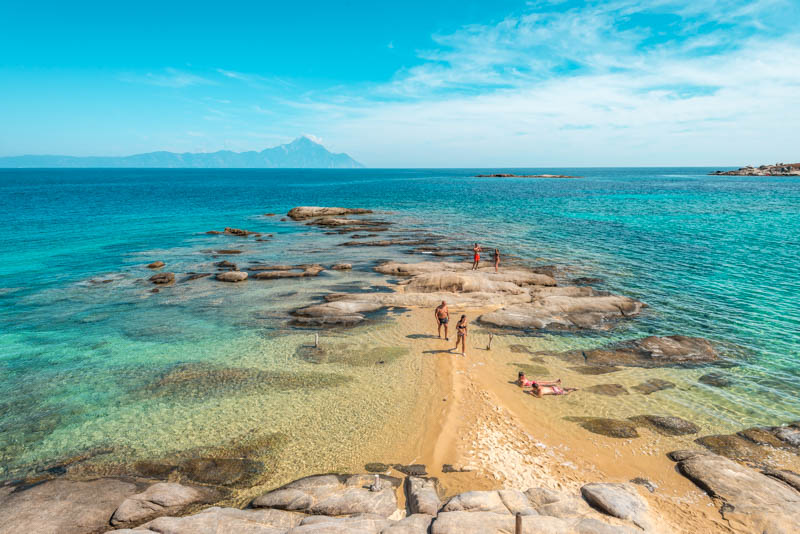
Sithonia's beaches range from fully-equipped resort strands to completely wild coves accessible only by boat or hike. The east coast generally offers calmer conditions and Athos views, while the west coast can be windier but provides spectacular sunset positions. Kavourotripes, with its orange rocks and turquoise water, has become Sithonia's most photographed beach despite remaining undeveloped. Karidi beach near Vourvourou offers Caribbean-like turquoise water in a protected bay. Toroni combines a long sandy beach with ancient ruins at its northern end. For those seeking solitude, the southern tip around Cape Drepano harbors numerous small beaches often empty even in August. Beach bars cluster at the more popular spots, but many wonderful beaches offer no facilities at all - pack supplies accordingly. The water clarity throughout Sithonia is exceptional, with visibility often exceeding 20 meters, making even basic snorkeling rewarding.
Activities and Attractions
Beyond beach-hopping, Sithonia offers numerous activities. Boat trips depart from various harbors, offering swimming stops, fishing excursions, and cruises toward Mount Athos. The forest-covered interior provides hiking opportunities, though trails are often unmarked and local guidance helps. Water sports centers at larger beaches offer kayaking, paddleboarding, diving, and jet skiing. Horse riding is available near some villages, while mountain biking suits those who don't mind summer heat. Wine tasting at the Porto Carras estate, Greece's largest private winery, combines well with beach visits to nearby Neos Marmaras. Ancient Toroni and Parthenon ruins provide historical interest without the crowds of more famous sites. For evening entertainment, Neos Marmaras has bars and clubs, while Sarti offers more relaxed beachfront venues. The peninsula's character suits those seeking activity and adventure balanced with relaxation rather than non-stop nightlife.
Practical Information
Accommodation options span the range from luxury hotels and villa rentals to simple rooms and camping. Booking well ahead is essential for August when Greek families take holidays; June and September offer better availability and lower prices with still-excellent swimming. Restaurants throughout the peninsula serve fresh seafood and traditional Greek cuisine - Lauer House in Sarti exemplifies the quality available. ATMs exist in larger villages but can run dry in peak season; carry cash for smaller establishments. Mobile signal covers most of the peninsula, though some remote beaches may have limited connectivity. Medical facilities are basic - the hospital is in Polygyros on the mainland, about an hour from Sarti. The tourist season runs May through October, with July-August being busiest and hottest. Shoulder seasons offer warm water, lower prices, fewer crowds, and a more Greek atmosphere as local families and couples replace international tourists. Whenever you visit, Sithonia rewards exploration with discoveries that make each visit unique.