Ask anyone who knows Halkidiki well when they would visit, and you will rarely hear July or August. The locals' answer - and ours - is the shoulder season: May and June on one side of summer, September and October on the other. The light is softer, the beaches emptier, the prices kinder, and the sea, for much of that window, entirely swimmable. But shoulder season is not simply high season with fewer people; some things close, the weather has moods, and each month has a distinct character. Here is an honest, month-by-month look at spring and autumn on Sithonia, so you can pick the window that fits the holiday you actually want.
Why the Shoulder Seasons Shine
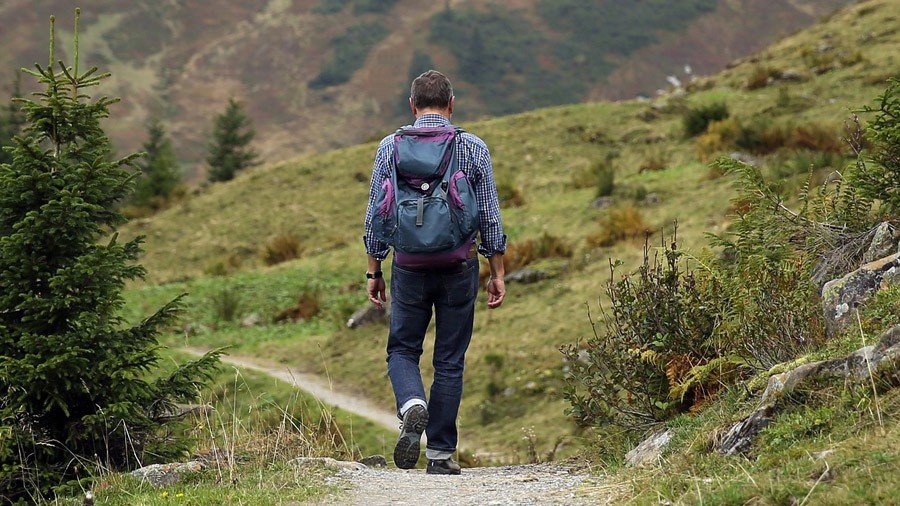
Three things transform Halkidiki outside the peak weeks. First, space: beaches that hold a towel-to-towel crowd in August are near-private in early June, and you can park at famous coves at noon without circling. Second, temperature: instead of enduring midday heat, you can walk, cycle and explore comfortably at any hour, which opens up the peninsula's pine trails and archaeological sites in a way high summer never does. Third, atmosphere: villages like Sarti revert to their own rhythm - fishermen mending nets, tavernas cooking for regulars, conversations that are not rushed.
Prices follow the crowds. Accommodation drops meaningfully outside July and August, ferries and rentals are easier to book, and you will never wait for a dinner table. If your holiday priorities are swimming, eating well, walking and unwinding - rather than nightlife and guaranteed 35-degree heat - the shoulder months are simply better at almost everything. For a full menu of options across the region, our guide to things to do in Halkidiki pairs well with this one.
May: Green Hills, Empty Beaches and First Swims
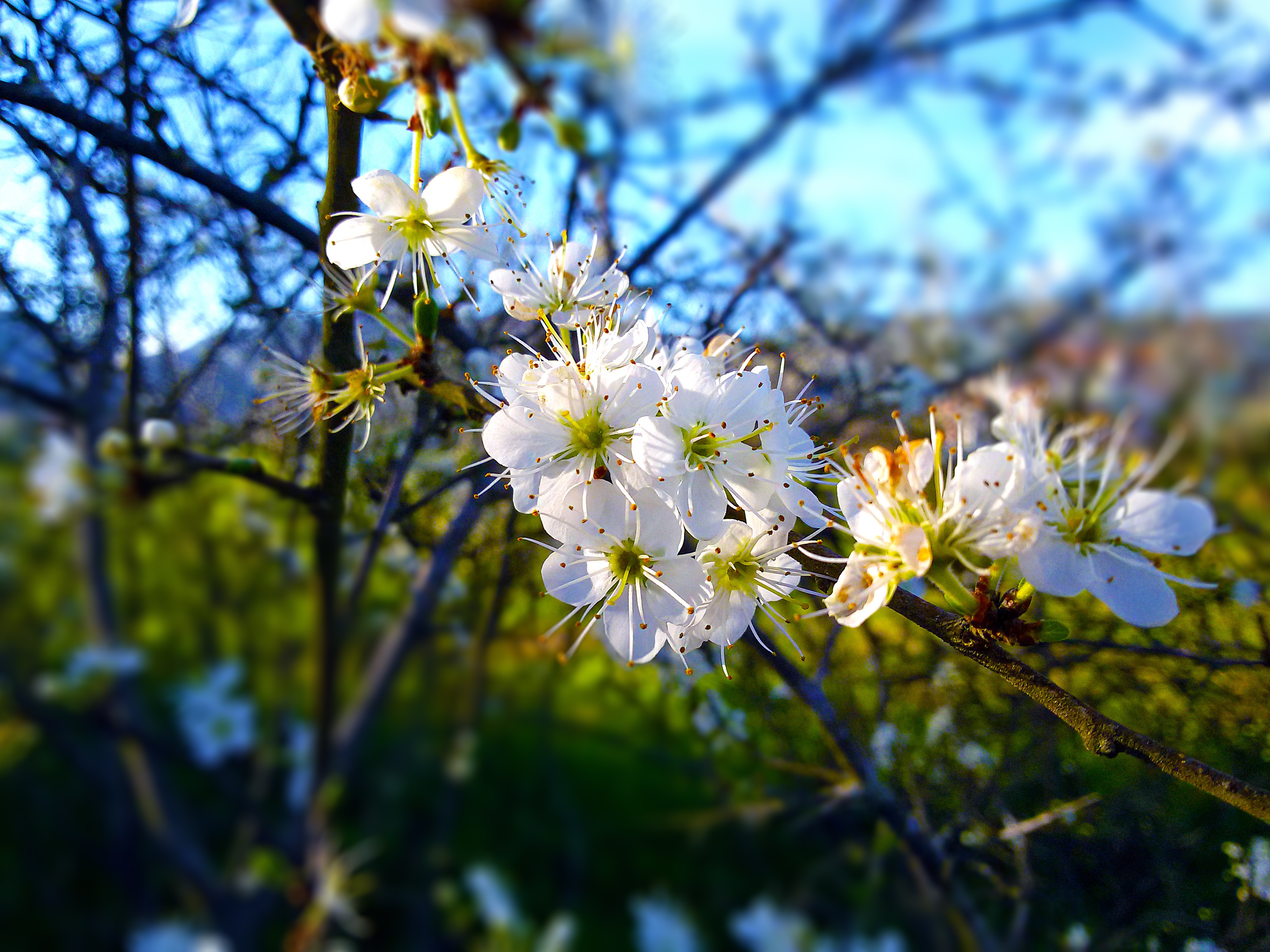
May is Halkidiki at its most beautiful and least swimmable - worth saying plainly. The peninsula is green in a way August visitors never see: wildflowers along the coast road, poppies in the olive groves, snow sometimes still visible on distant mountains across the gulf. Daytime temperatures typically sit in the low-to-mid twenties, perfect for exploring, and this is prime time for photographers - see our Halkidiki photography guide for locations that are at their finest before summer haze arrives.
The sea, though, is still waking up: around 18 to 20 degrees, refreshing for the brave, brief for everyone else. Early May can be quiet to the point of sleepy, with seasonal businesses opening gradually through the month - the pace picks up noticeably around Greek Easter when it falls late, a spectacular time to be here in its own right (our guide to Greek Easter in Halkidiki explains what to expect). Come in May for landscapes, walking, food and tranquillity, with swimming as a bonus rather than the main event.
June: The Sweet Spot
If we had to pick one month, it would be June. The sea climbs to a genuinely comfortable 22 to 24 degrees, days are long and reliably sunny, and yet the crowds of high summer have not arrived - especially in the first three weeks. Everything seasonal is open by now: beach bars, boat trips to Mount Athos and around the coast, watersports rentals, and the full taverna scene. You get essentially the complete high-season product with half the people.
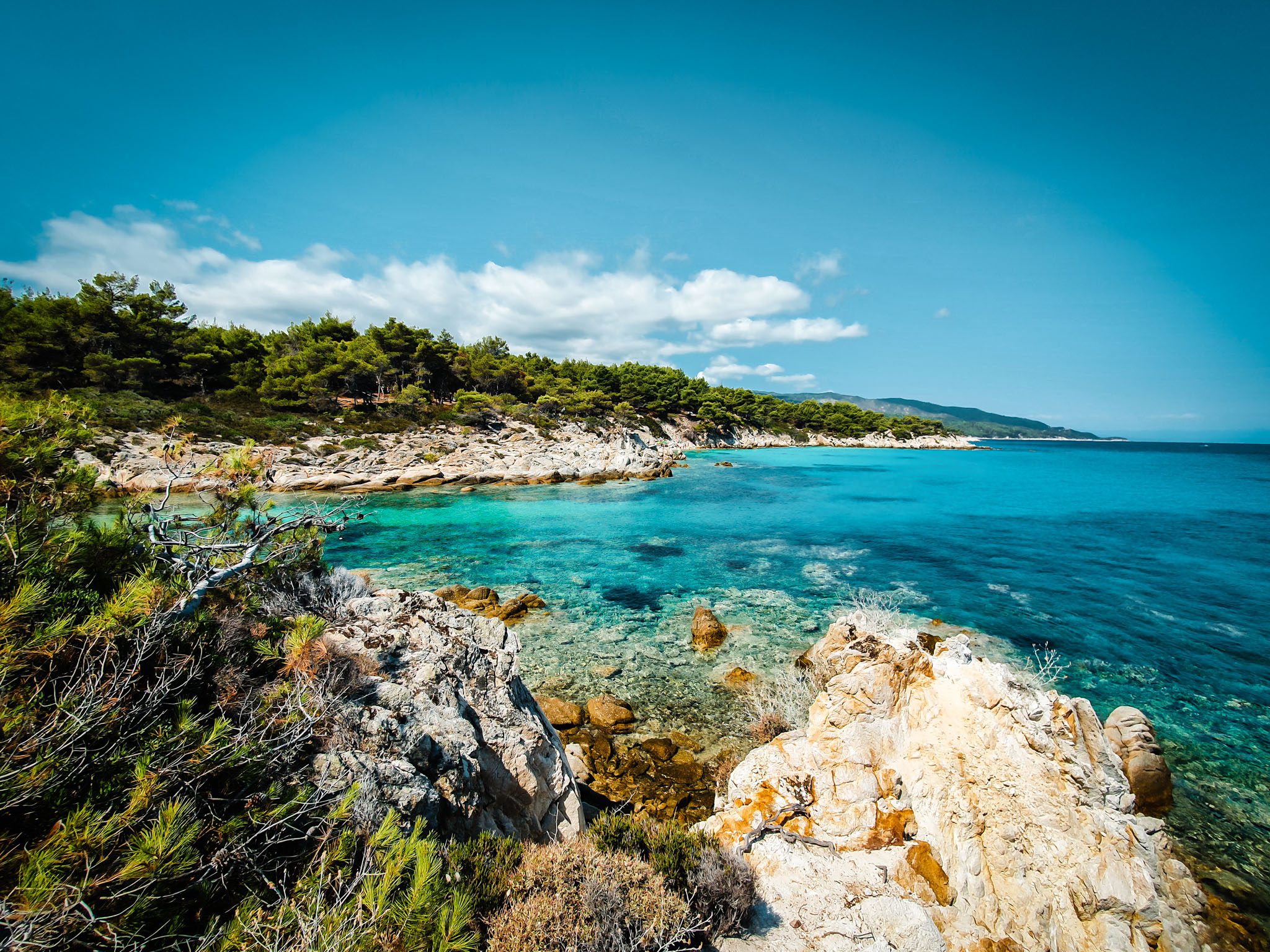
June is also the best month to hunt down the coves that make Sithonia famous. Kavourotrypes, Portokali and the string of small beaches along the east coast are reachable, parkable and blissfully uncrowded on June weekdays - our hidden beaches guide maps the best of them. Evenings are warm enough to eat outdoors every night without ever being oppressive. The only caveat: late June begins the ramp-up to peak season, and prices climb with it. Book accommodation earlier than you think you need to.
September: Warm Seas Without the Crowds
September is June's mirror image, with one enormous advantage: the sea. After three months of summer sun, the Aegean holds its warmth stubbornly - around 24 degrees early in the month, still pleasant into its final week. Swimming in September is arguably better than in July, and you will share the water with a fraction of the people. The August crowds vanish with remarkable speed in the first week, yet nearly everything remains open through the month, from beach bars to boat excursions, winding down gradually rather than all at once.
The weather turns from relentless to benign: mid-to-high twenties by day, comfortable nights, and the sharp, clear light that makes the mountains across the gulf look close enough to touch. September is superb for combining beach days with the things summer heat discourages - hikes on the peninsula's pine trails, visits to archaeological sites, long lunches that drift into afternoons. Fresh figs and the first grape harvest appear on tables. For many returning visitors, this is the month they quietly book year after year.
October: The Quiet Wind-Down
October is the gamble month, and an honest guide says so. Early October often delivers a final fortnight of summer - sea around 20 to 22 degrees, sunny days in the low twenties, beaches to yourself. Equally, the first proper autumn storms can arrive, bringing a day or two of dramatic rain before the sun returns. You cannot bank on any single day; you can reasonably expect most of them to be good.
By now the seasonal infrastructure is mostly folded away: beach bars stacked and shuttered, watersports gone, boat trips sporadic, many hotels closed for the year. What remains is the permanent Halkidiki - bakeries, kafeneia, the tavernas that serve their villages year-round - and a landscape releasing its summer crowds back to silence. October suits a particular traveller: one who wants walking, photography, reading, olive groves heavy with fruit before harvest, and swims when the weather allows. Pack layers and a light rain jacket; our Halkidiki packing guide has a full shoulder-season checklist.
The Honest Trade-Offs, Summed Up
To choose your window, weigh the compromises squarely:
- May: stunning scenery and solitude, but a cold sea and some businesses still closed early in the month.
- June: almost no downside beyond rising prices in its final week; the safest all-round choice.
- September: the warmest sea of the four months and everything open, though days shorten noticeably by month's end.
- October: peace, beauty and low prices against real weather risk and limited seasonal facilities.
Across all four months, expect reduced bus frequencies compared with peak summer - check current KTEL Halkidiki timetables - and check ahead for specific boat trips or activities your heart is set on. None of these trade-offs is a reason to stay away; they are simply the terms of a quieter, cheaper, arguably lovelier Halkidiki.
One thing that does not change with the calendar is dinner. Lauer House, our family-run taverna in Sarti, is open daily from 10:00 to 24:00 throughout the season, serving fresh seafood and traditional dishes to spring walkers and September swimmers alike - with live Greek music every Wednesday and Thursday evening from 20:00. Shoulder season is when we have time to talk; come and find out why it is our favourite time of year too.