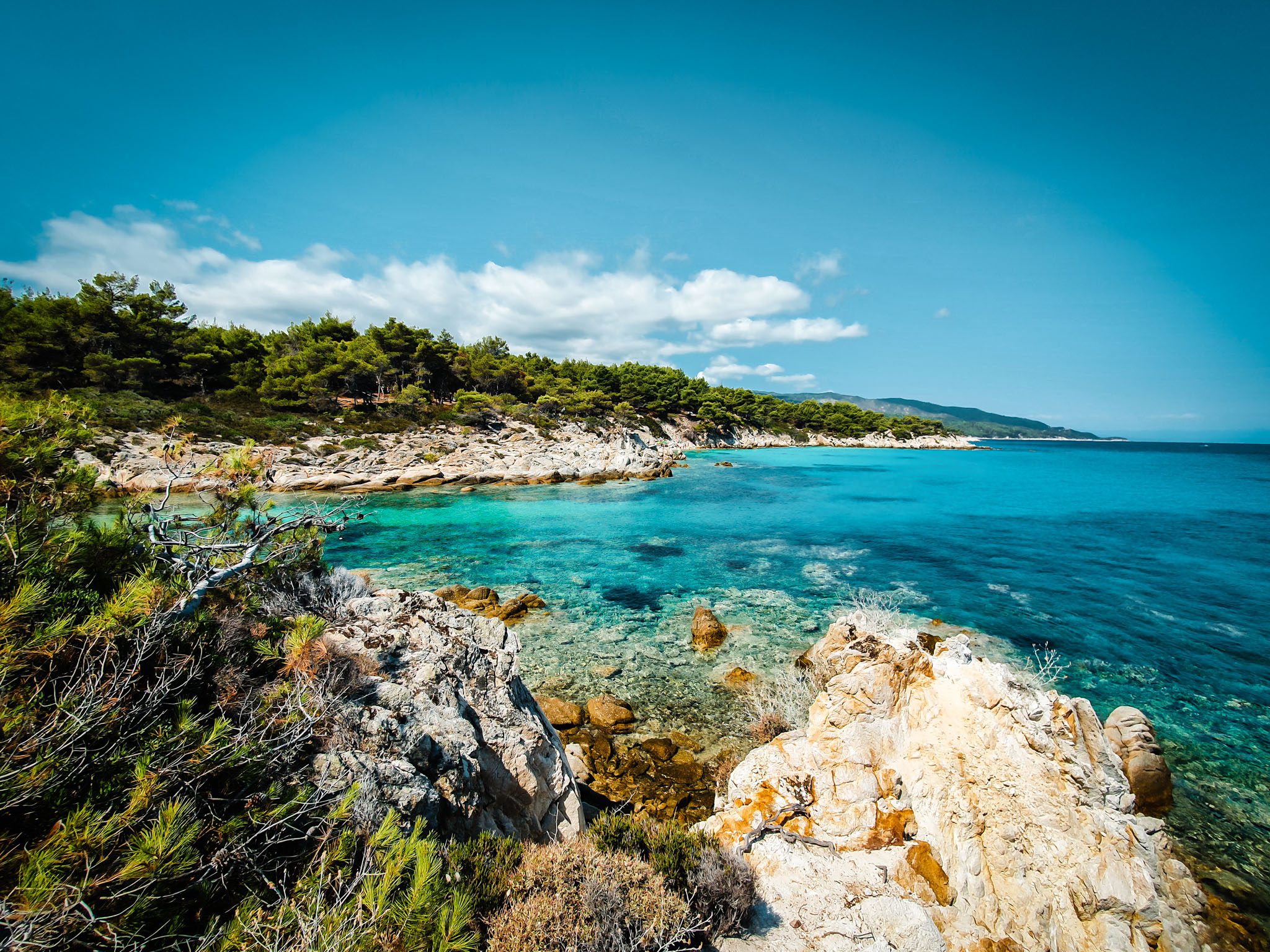
Packing for Halkidiki requires balancing beach essentials with dining wear, sun protection with evening layers, and space for local treasures you'll want to bring home. Greek summers are hot and sunny, but evenings can cool, and certain situations call for more than swimwear. This guide covers everything you need for a comfortable, stylish, and practical holiday in the Greek sun, whether you're staying in Sarti, exploring Sithonia, or venturing to Mount Athos.
Beach and Swimming Essentials
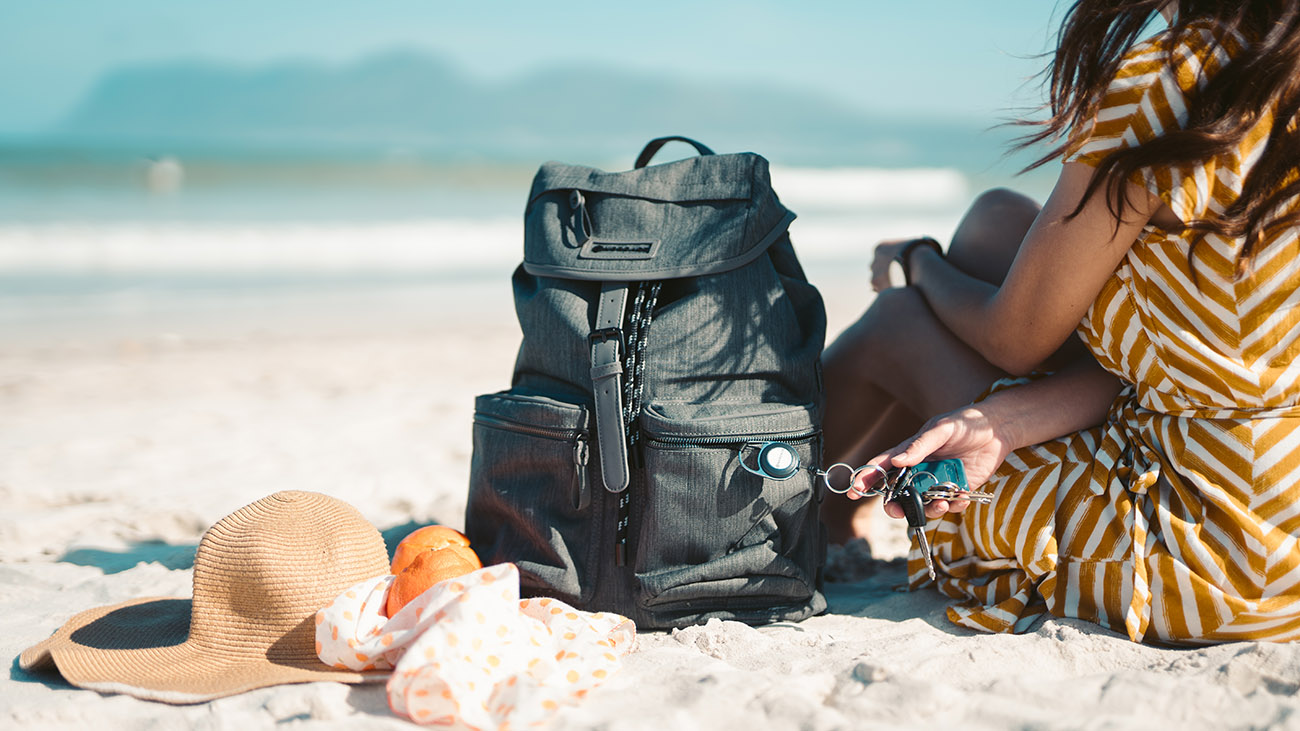
High-SPF sunscreen tops the packing list - the Greek sun is intense, and you'll use more than expected. Bring enough for the entire trip, as foreign brands may be expensive or unavailable. A quality sun hat with a brim protects your face during midday hours. Polarized sunglasses reduce glare off the water, making everything more comfortable and photography easier. Water shoes prove invaluable for rocky beaches and sea urchin protection - even sandy beaches often have rocky sections. Pack at least two swimsuits so one is always dry. A light beach coverup allows comfortable movement between beach and village without dressing fully. Snorkeling gear, if you have space, beats rental quality; at minimum bring a well-fitting mask. A waterproof phone pouch protects your device while allowing photos of hidden beaches and underwater snorkeling shots.
Clothing for Day and Night
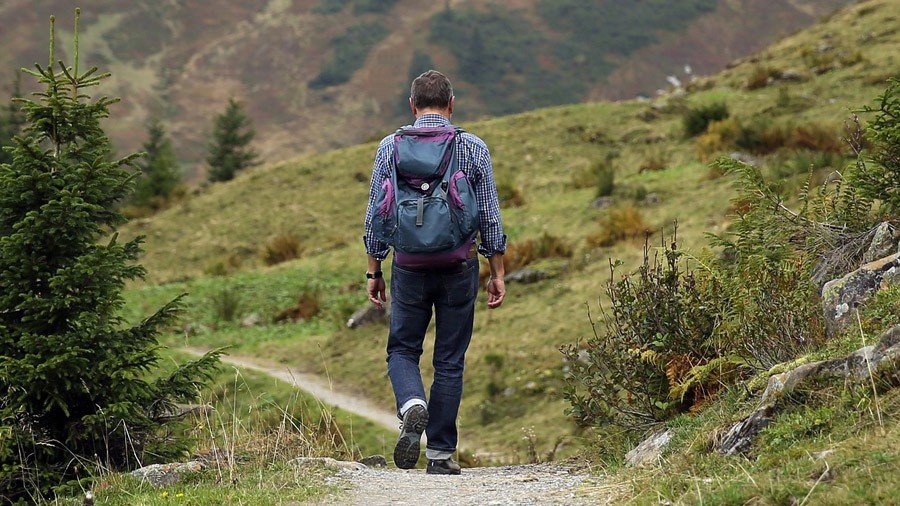
Daytime calls for light, breathable fabrics in natural fibers - cotton and linen beat synthetics in Mediterranean heat. Loose-fitting clothes prove more comfortable than tight styles when temperatures soar. For evenings, Greeks dress up more than many visitors expect; smart casual works at restaurants like Lauer House, though formal wear is unnecessary. A light cardigan or jacket handles cooler evenings and air-conditioned restaurants. Comfortable walking sandals suit village exploration; flip-flops work for beaches but not extended walks on uneven surfaces. If planning Mount Athos visits or church entrances, modest clothing covering shoulders and knees is required - long pants or skirts and sleeved shirts packed specifically for this purpose. Laundry services exist, so pack less than you think; a week's worth of clothes suffices even for longer trips.
Health and Safety Items
Beyond sunscreen, pack your personal first aid kit: basic bandages, antiseptic, pain relievers, and any prescription medications. Greek pharmacies stock most common items, but familiar brands may differ, and language barriers can complicate explanations. Insect repellent containing DEET prevents mosquito bites, particularly at dusk near vegetation. After-sun lotion soothes inevitable over-exposure. Hand sanitizer remains useful despite widespread availability. Copies of important documents (passport, insurance, prescriptions) stored separately from originals provide backup for emergencies. Travel insurance documents should be readily accessible. A small flashlight helps navigate dark village streets and beach paths at night. Antihistamines and any allergy medications come prepared for new environments and unfamiliar foods - though the meze at Lauer House delights rather than distresses most visitors.
Electronics and Connectivity
Greece uses standard European Type C/F plugs; bring adapters if coming from countries with different systems. A portable charger keeps phones alive during long beach days and day trips. Consider your photography needs - phone cameras suffice for most visitors, but serious photographers bring proper equipment. E-readers provide vacation reading without luggage weight. Download maps and translation apps for offline use before arrival; while Halkidiki has good coverage, remote beaches may lack signal. Consider your connectivity strategy: international roaming has improved within Europe, but purchasing a local SIM provides cheaper data for longer stays. Waterproof speakers enhance beach time if you enjoy music with your swimming, though respect others' peace at quiet coves.
What to Leave at Home
Heavy clothing stays home - even for "cool" evenings, you won't need winter weight. Expensive jewelry risks loss or theft without adding to your experience. Formal wear is unnecessary except for specific events; Greek beach culture keeps things casual. Excessive toiletries waste space; accommodations provide basics, and Greek pharmacies stock everything else. Guidebooks have been replaced by smartphones for most travelers. Multiple pairs of dress shoes are redundant; one versatile pair suffices. Leave room in your suitcase for return-trip purchases - olive oil, local honey, and wine require luggage space. Beach equipment (umbrellas, chairs, toys) is available for rental, eliminating the need to transport bulky items. Trust that Greek hospitality and shops can supply anything forgotten - worrying about packing perfectly contradicts the relaxed spirit of your holiday.