Order a drink almost anywhere in Halkidiki and a small dish is likely to land beside it: large, bright-green olives, firm and glossy, sometimes cracked, sometimes stuffed. These are not just any olives - they are Halkidiki green olives, one of the most famous table olives in the world and the pride of the peninsula's agriculture. The groves that produce them cover the hillsides you drive past on your way to the beach. Here is what makes the variety special, when and how it is harvested, and how to enjoy and buy it like a local.
What Makes the Halkidiki Olive Special
The Halkidiki variety is grown for the table, and everything about it is built for that role. The fruit is unusually large - among the largest of any commercial variety - with a distinctive elongated shape ending in a small pointed tip, firm crisp flesh and a high flesh-to-pit ratio, meaning more olive and less stone in every bite. The flavour is mild, fresh and subtly fruity, with a pleasant rather than aggressive bitterness, which makes it approachable even for people convinced they do not like olives. Its size and firm texture also make it one of the world's favourite olives for stuffing - with almonds, garlic, peppers or lemon. Crucially, this is a protected product: 'Prasines Elies Chalkidikis' - Green Olives of Halkidiki - holds PDO (Protected Designation of Origin) status under EU law, meaning genuine Halkidiki olives are grown and processed here on the peninsula and nowhere else. The variety is deeply adapted to this specific place: the mild maritime climate, the hillside soils and the sea air of Halkidiki. Plant it elsewhere and you may grow an olive, but not quite this one.
Harvest Season: Autumn in the Groves
Halkidiki green olives are picked green on purpose - harvested in early autumn, roughly September into October, before the fruit begins to ripen and darken. Timing is everything: too early and the olives are small and grassy; too late and they soften and lose the signature crispness. Because table olives must arrive at the plant unblemished, the harvest is done largely by hand, crate by crate, and the pace is intense - much of a grove's yearly income comes down to a few weeks of careful work. If you visit Halkidiki in early autumn you will see the groves come alive: nets spread beneath the trees, ladders disappearing into the branches, pickups loaded with crates heading for the processing plants. It is one of the great seasonal spectacles of the peninsula, and one more argument for the quieter months we champion in our spring and autumn shoulder-season guide.
From Bitter Fruit to Table Olive
Here is the secret every visitor should know: olives straight off the tree are inedible - mouth-puckeringly bitter, thanks to a natural compound called oleuropein. Every table olive you have ever eaten has been cured. Freshly picked Halkidiki olives go into brine, where the bitterness is drawn out either quickly, with a food-grade alkaline treatment followed by thorough rinsing and brining, or slowly, through natural fermentation in salt brine over weeks and months - the traditional method, which develops a deeper, tangier character. A beloved local style is tsakistes, cracked olives: the fresh fruit is split with a stone or mallet so the brine penetrates faster, then dressed with lemon, garlic, oregano and olive oil. If you see cracked green olives on a meze table in a village taverna, that is the taste of home curing.
Table Olives vs Olive Oil
Every olive can technically make oil, but varieties specialise, and Halkidiki's fame rests firmly on the table. Its large, fleshy fruit commands far more value whole than pressed, so the best of the harvest is cured and jarred, with oil made from the rest of the crop and from other varieties grown across the peninsula. The table olive and the oil are two halves of one culture - the same trees, the same autumn rhythm, often the same families - and Halkidiki takes both seriously. At the taverna, that means the olive in your starter bowl and the oil over your salad may well have grown within sight of each other. For the other half of the story, from grove to press to the peppery green oil on your taverna table, read our guide to Greek olive oil, liquid gold.
How Locals Eat Them
In Halkidiki, olives are not an ingredient so much as a constant presence:
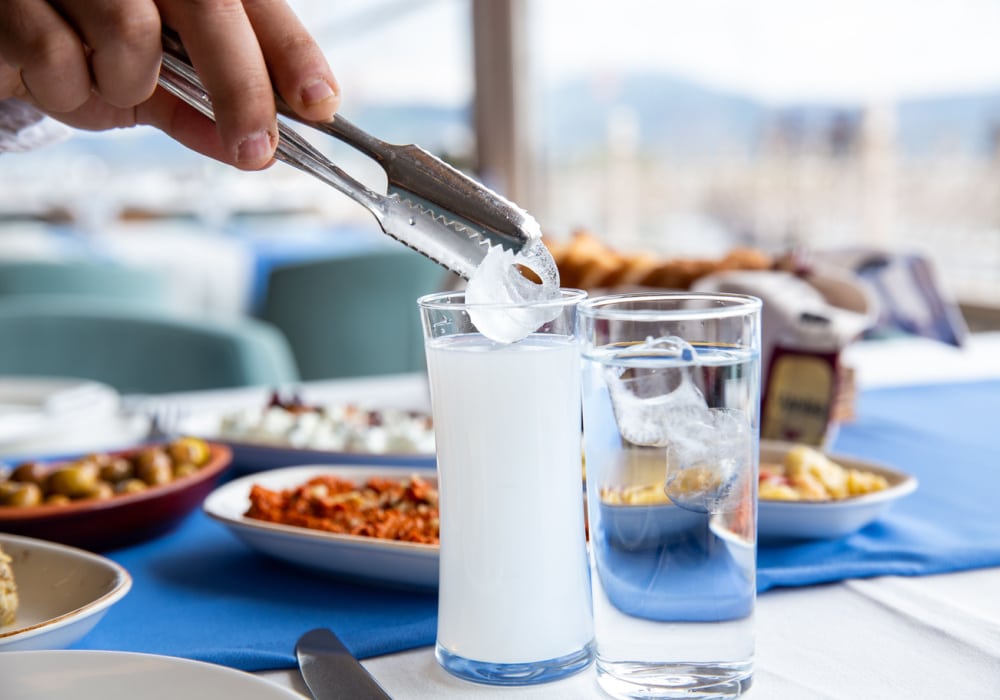
- On the meze table. A bowl of green olives belongs beside ouzo or tsipouro as automatically as ice belongs in the glass - part of the unhurried grazing ritual we explore in our Greek meze culture guide.
- In the salad. The classic Greek salad is usually crowned with dark Kalamata olives, but many kitchens here proudly use the local green instead.
- Stuffed. Almond-, garlic- or pepper-stuffed Halkidiki olives are a peninsula speciality and a brilliant edible souvenir.
- As a spread. Blitzed with capers, herbs and olive oil, green olives become a bright, briny paste for bread - try our recipe for Halkidiki olive tapenade and take the flavour home with you.
- Simply, with bread and cheese. The oldest serving suggestion in Greece, and still the best late-morning snack on the planet.
Buying Tips: Getting the Real Thing
Halkidiki olives are sold everywhere on the peninsula, from supermarkets to farm stands, and quality varies. A few rules of thumb: buy loose from the barrel at village shops and weekly markets when you can - you can usually taste before you buy, and steady turnover keeps them fresh. Look for firm, unblemished fruit in a lively brine, not a tired, murky one. On packaged jars, check for the PDO designation and a Halkidiki producer's name and address. Vacuum-sealed packs travel best in luggage; jars in brine should be wrapped well and checked in, never carried through security. Cracked tsakistes are wonderful but shorter-lived, so eat those here. And if you develop a favourite, note the producer's name - many Halkidiki processors sell online or through Greek delis abroad, so the discovery does not have to end with the holiday. For where to shop and what else to carry home - honey, oil, herbs, cheese - our guide to shopping for local products in Halkidiki has the full list.
Best of all, taste them where they grow. At Lauer House in Sarti the olives on your table come from the peninsula that made them famous, the seafood comes fresh from the gulf, and the kitchen serves traditional Greek cooking daily from 10:00 to 24:00 in season - with live Greek music on Wednesday and Thursday evenings from 20:00. Start with olives and something cold, and let the evening take its time.