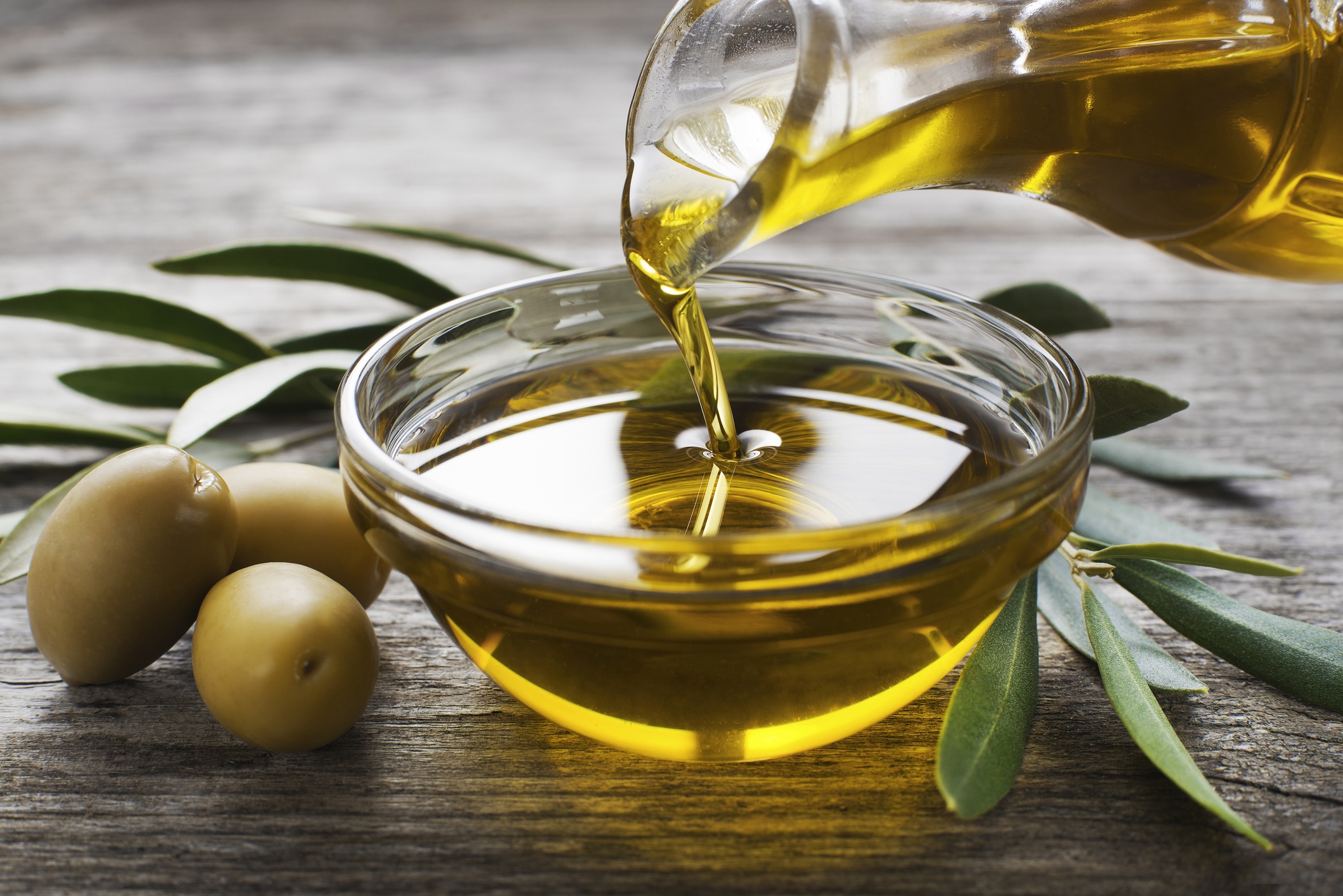
Olive oil is not merely an ingredient in Greek cuisine - it is its very foundation, a substance that has shaped the culture, economy, and health of this nation for over 4,000 years. Greece produces some of the finest olive oil in the world, yet much of it never leaves the country, consumed domestically by a population that uses more olive oil per capita than anywhere else on Earth. In Halkidiki, ancient olive groves carpet the hillsides, their silver-green leaves shimmering in the Mediterranean sun, producing oils with distinct characteristics prized by connoisseurs. Understanding Greek olive oil enhances every meal you enjoy here, from simple bread dipped in golden oil to the sophisticated preparations at restaurants like Lauer House.
The Olive Varieties of Halkidiki
While Greece cultivates numerous olive varieties, Halkidiki is famous for one in particular: the Halkidiki olive, also known as Chalkidiki or "donkey olive" for its large size. These green olives are primarily grown as table olives rather than for oil, prized for their meaty texture and mild flavor. They're the olives you'll see stuffed with almonds, garlic, or peppers in shops throughout the region. For oil production, the Koroneiki variety dominates Greek cultivation, including in Halkidiki. These small olives yield intensely flavored oil with high polyphenol content, making it both delicious and exceptionally healthy. Single-variety Koroneiki oils from quality producers offer fruity, peppery, and slightly bitter notes that announce their authenticity - the burning sensation at the back of your throat when tasting good Greek oil indicates high polyphenol levels and is a sign of quality, not a defect. Increasingly, producers in Halkidiki are also experimenting with other varieties and blends to create oils with unique flavor profiles.
Understanding Quality: What Makes Oil "Extra Virgin"
The term "extra virgin" is often misunderstood and frequently misused. True extra virgin olive oil meets strict chemical and sensory criteria: it must be cold-pressed from olives without chemical treatment, have an acidity level below 0.8%, and pass a taste test by certified panels confirming it has no defects and possesses fruity characteristics. In practice, many oils labeled "extra virgin" fail to meet these standards, particularly mass-produced brands sold internationally. Greek olive oil benefits from generally higher standards than some other producing countries, but quality still varies enormously. When shopping in Halkidiki, look for oils from named producers rather than generic brands, harvest dates (fresher is better - olive oil is not wine and does not improve with age), and designations like PDO (Protected Designation of Origin) that guarantee geographic authenticity. The best olive oils will have a pungent, fruity aroma reminiscent of fresh olives, grass, tomatoes, or herbs, and a flavor that's complex rather than simply "oily."
Olive Oil in Greek Cooking and Health
Greeks use olive oil for virtually everything: frying, sautéing, baking, and most distinctively, finishing dishes with a generous raw drizzle. At Lauer House, our grilled fish arrives glistening with fresh oil, our salads swim in it, and our horta (wild greens) would be unthinkable without the traditional ladholemono (oil and lemon) dressing. This liberal use of olive oil, once criticized by those who feared all fats, is now understood as a key component of the heart-healthy Mediterranean diet. The polyphenols in quality extra virgin olive oil have potent anti-inflammatory and antioxidant properties, and populations that consume olive oil as their primary fat source show lower rates of heart disease, certain cancers, and cognitive decline. Greeks who grew up eating their grandmother's cooking - heavy on olive oil, vegetables, legumes, and fish - carry this heritage in their health as well as their traditions. When you dine in Halkidiki, you're not just enjoying delicious food; you're participating in one of the world's healthiest eating patterns.
Visiting Olive Groves and Mills
For those interested in experiencing olive oil production firsthand, Halkidiki offers excellent opportunities. Several family operations welcome visitors for tours that explain the cultivation cycle, harvest process, and pressing techniques. The olive harvest runs from late October through January, and visiting during this period allows you to witness the work that transforms fruit to oil. Modern mills use centrifugal extraction rather than traditional stone presses, but the principle remains the same: separating oil from fruit pulp and water without heat or chemicals that would degrade quality. Tours typically conclude with tastings that teach you to identify quality markers and develop your palate. Outside harvest season, many producers still offer tastings and sales from their shops. Ask at your accommodation or restaurant for recommendations - locals know which producers offer the best experiences and products. Bringing home bottles of exceptional Halkidiki olive oil makes a meaningful souvenir that captures the essence of your visit far better than any trinket.
Buying and Storing Olive Oil
If you want to bring Greek olive oil home - and you should - follow a few guidelines for best results. Buy from reputable producers or shops that store oil properly (away from light and heat), check harvest dates and prefer oil from the most recent harvest, and consider smaller containers that you'll finish quickly rather than large tins that may go rancid before you use them. Dark glass or tin containers protect oil from light degradation. At home, store olive oil in a cool, dark place - not next to your stove or in a sunny window - and plan to use it within a few months of opening. Unlike wine, olive oil doesn't improve with age; fresh is always best. The oils you buy in Halkidiki will taste noticeably different from what you find at home supermarkets, and that difference will inspire you to use them more generously and appreciate what makes Greek olive oil worthy of its "liquid gold" reputation. When you drizzle it over fresh bread or finish a simple salad, you'll understand why this ancient product remains central to Greek life thousands of years after our ancestors first cultivated these remarkable trees.