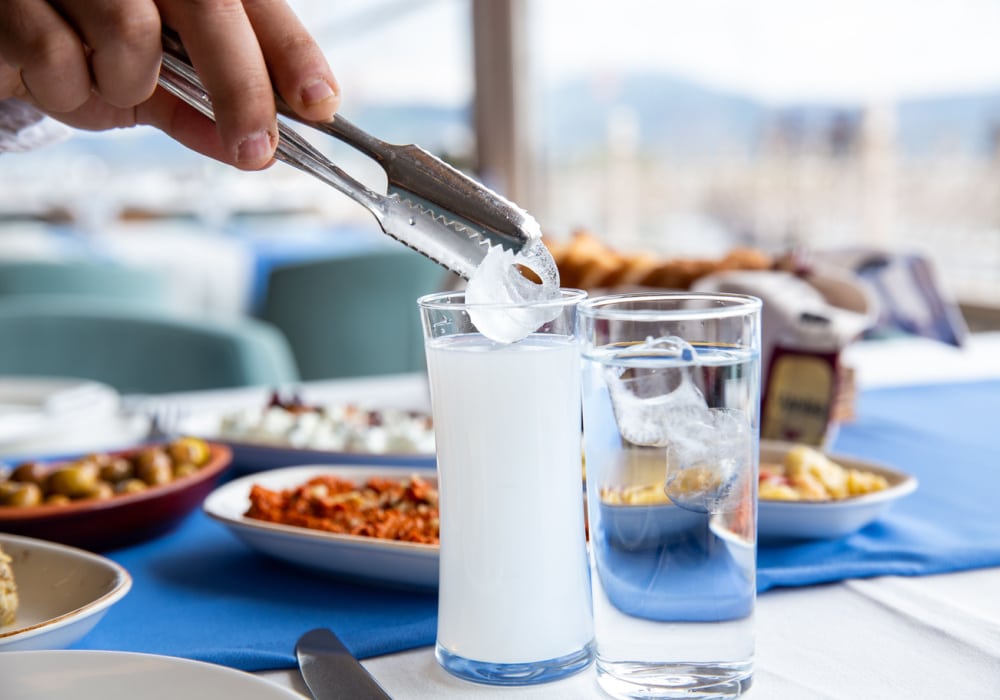
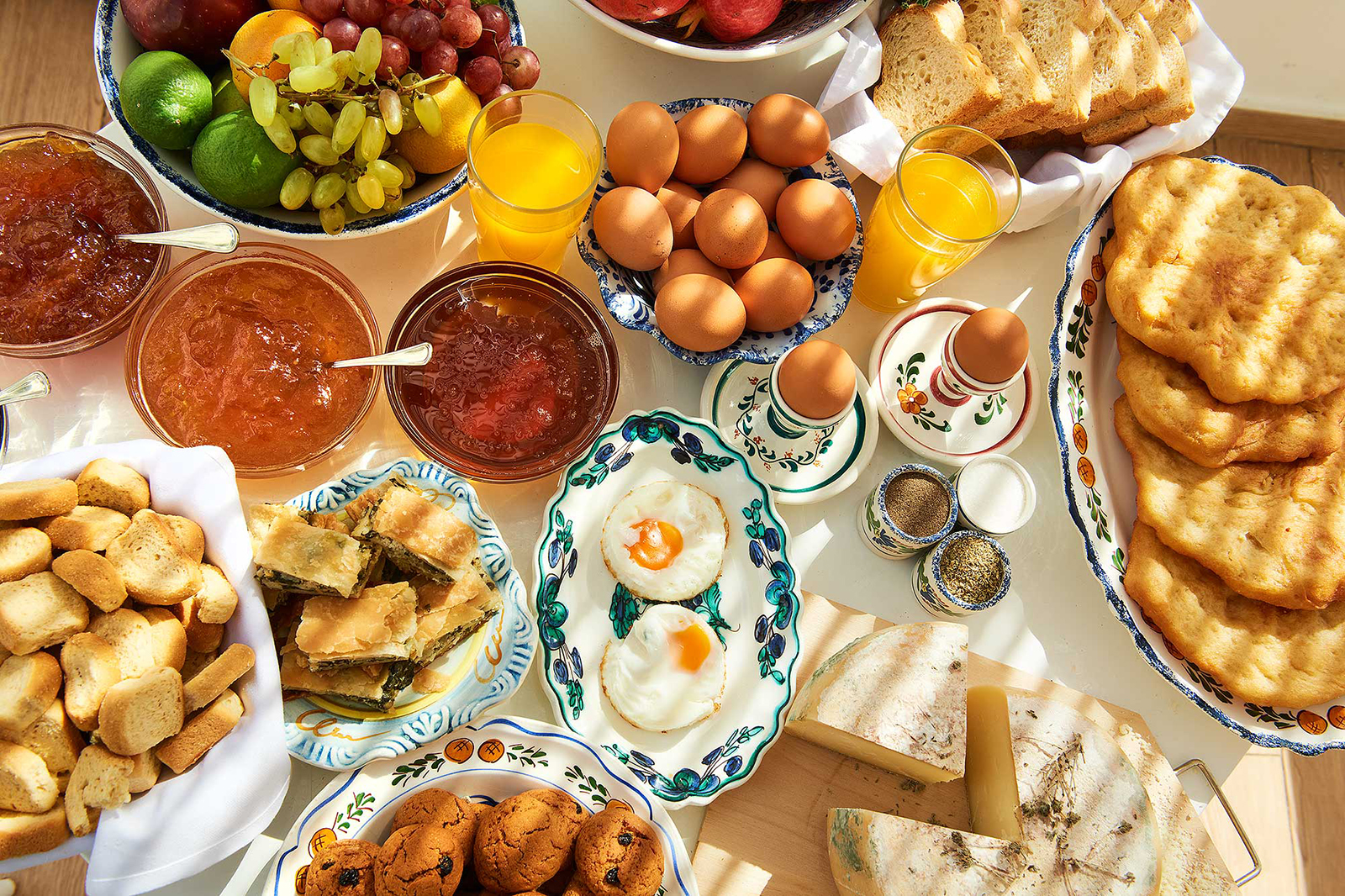
Walk into any traditional Greek taverna and you'll likely see tables covered with small plates - dips, salads, fried bites, and grilled morsels arranged for sharing. This is meze (μεζέ), a dining tradition that transforms eating from mere sustenance into social celebration. Unlike rushed meals eaten solo, meze dining unfolds slowly over hours, with dishes arriving gradually as conversation flows and glasses are refilled. Understanding meze culture will enhance every meal you enjoy in Greece, whether at a simple village kafeneio or an acclaimed restaurant like Lauer House where we've elevated traditional meze to an art form.
The Essential Meze: Dips and Spreads
Every meze spread begins with dips, served with warm bread or pita for scooping. Tzatziki - cooling yogurt with cucumber, garlic, and dill - is perhaps the most famous, its refreshing tang perfect for hot summer evenings. Melitzanosalata (eggplant salad) offers smoky depth, the roasted vegetables mashed with olive oil, lemon, and garlic. Taramosalata brings briny richness from cured fish roe, its coral-pink color as appealing as its flavor. Skordalia delivers a powerful garlic punch, this potato or bread-based spread not for the faint-hearted but beloved by those who appreciate bold flavors. Htipiti combines roasted red peppers with creamy feta for something simultaneously sweet and tangy. Fava, despite its name, is made from yellow split peas, creating a silky puree particularly popular in the islands. At Lauer House, we serve these classics alongside our own variations, and many guests make an entire meal simply by ordering our meze platter with local wine.
Hot Meze: Fried and Grilled Delights
Beyond the cold spreads, hot meze dishes provide contrast and substance. Fried calamari arrives golden and crispy, the rings and tentacles meant for quick eating before they lose their crunch. Saganaki - cheese fried until bubbly and golden - is a crowd-pleaser, often flambéed tableside with brandy for dramatic effect. Kolokythokeftedes (zucchini fritters) showcase summer vegetables, while their cousin keftedes (meatballs) satisfy carnivores. Dolmades, grape leaves stuffed with herbed rice and sometimes meat, demonstrate the Greek genius for making humble ingredients luxurious. Grilled octopus, properly tenderized and charred over coals, represents meze at its finest - the combination of smoke, olive oil, and lemon creating one of Mediterranean cuisine's perfect bites. Prawns might come saganaki-style in tomato sauce with feta, while mussels steam open in wine and garlic. The key to hot meze is immediacy - these dishes should be eaten as soon as they hit the table.
The Cold Meze: Salads and Preserved Delights
Greek salad (horiatiki) appears on virtually every meze table - tomatoes, cucumbers, onions, peppers, olives, and feta dressed simply with olive oil and oregano. But beyond this ubiquitous dish lies a world of cold preparations. Marinated anchovies (gavros marinatos), cured in vinegar and olive oil, offer briny intensity. Gigantes plaki - giant white beans baked in tomato sauce - provide satisfying heft. Various pickled vegetables (toursi) add acidity and crunch. Louza, a cured pork loin similar to Italian lonza, appears sliced thin on charcuterie boards. Cheeses beyond feta merit attention: graviera with its nutty sweetness, aged kasseri for melting, and fresh myzithra for spreading. Olives deserve their own category, with Halkidiki's famous green olives among the finest in Greece. A proper cold meze selection provides variety in texture and flavor, each bite different from the last.
How to Order and Eat Meze Like a Greek
The meze approach to dining requires a different mindset than ordering individual entrees. Begin by assessing your group size and hunger level, then order accordingly - it's better to start with fewer dishes and add more than to over-order. At quality tavernas, servers can guide you toward a balanced selection. Eating is communal: everyone reaches in, using forks or bread as the dish demands. Greeks rarely use individual plates for meze, instead eating directly from shared dishes - this intimacy is part of the experience. Dishes arrive as they're ready rather than in formal courses, so the table constantly changes. Pace yourself and don't fill up on bread early. Leave time between dishes for conversation and drinks. If you're enjoying ouzo or tsipouro (Greek spirits), the meze isn't optional - Greeks consider drinking without eating uncivilized. The entire experience might last two, three, even four hours, and that's exactly as it should be.
Meze and Greek Hospitality
Meze dining embodies philoxenia - the Greek concept of hospitality that literally means "love of strangers." Sharing food creates bonds, and Greeks believe that breaking bread together transforms strangers into friends. When a Greek host orders meze, they're offering more than food; they're offering relationship and welcome. This explains why portions are generous and refusals can offend - accepting food accepts the giver's hospitality. In restaurants, this tradition manifests in small complimentary offerings: a dish of olives when you sit, perhaps fruit or sweets at the meal's end. At Lauer House, we maintain these traditions because they express values we hold dear. When you dine with us, you're not just a customer but a guest in our home. So relax, order generously, share freely, and let the meze work its magic. By the meal's end, you'll understand why Greeks have been eating this way for centuries - and why anyone who experiences it rarely wants to dine any other way.