Here is the good news for anyone travelling to Greece with coeliac disease or a gluten intolerance: traditional Greek cooking is built on grilled fish, roasted meat, olive oil, vegetables, legumes and cheese. A large part of any taverna menu is naturally gluten-free, and it always has been - nobody reformulated anything for a trend. The challenge is not finding safe food. It is knowing where gluten hides in a cuisine that also loves phyllo pastry, orzo and béchamel, and communicating clearly in a busy kitchen. This guide covers both sides: what to order freely, what to question, and exactly how to say it.
Why Greek Cuisine Works So Well Gluten-Free
Greek village cooking predates industrial food. Its foundations are things that never contained wheat in the first place: whole fish on the grill, meat braised in tomato and wine, beans simmered with olive oil, salads dressed at the table. Sauces are typically built from olive oil, lemon, tomato and herbs rather than flour-based roux. Rice, not pasta, is the traditional accompaniment to many stews and stuffed vegetables.
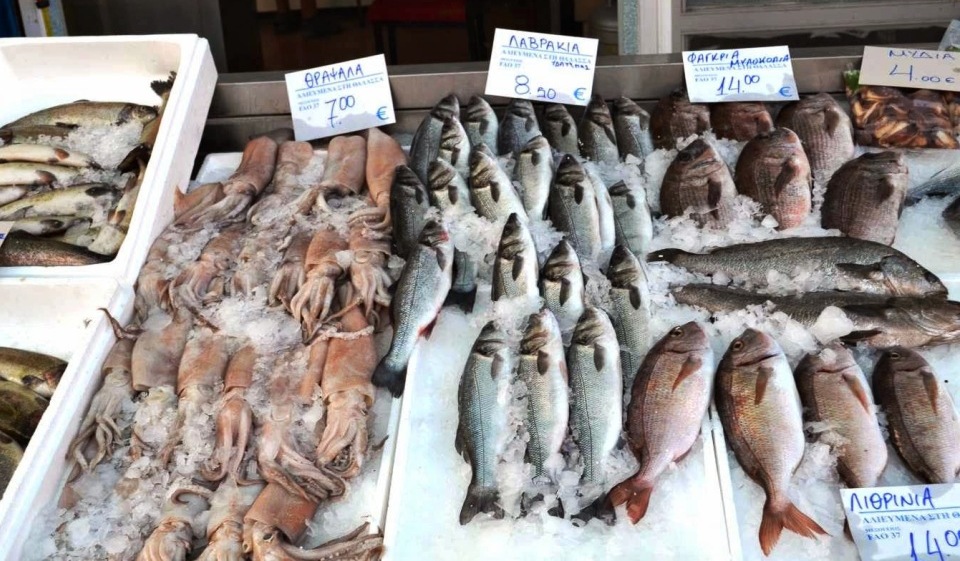
That means you rarely need a special menu. You need to know which traditional dishes are safe by construction - and seafood is a particularly strong category, as our guide to Greek seafood explains. A whole fish, grilled and finished with olive oil and lemon, is about as gluten-free as food gets.
Naturally Gluten-Free Greek Dishes to Order
These classics are gluten-free as traditionally made. Always confirm with the kitchen, since recipes vary, but these are your reliable core:
- Grilled fish and meat: whole fish, octopus, souvlaki off the skewer (skip the pita), lamb chops, chicken from the grill. Ask for no pita and no flour dusting.
- Gigantes plaki: giant beans baked in tomato sauce - pure legumes, tomato, olive oil and herbs.
- Briam: slow-roasted summer vegetables in olive oil, Greece's answer to ratatouille.
- Gemista: tomatoes and peppers stuffed with rice and herbs - confirm rice, not orzo or bulgur, is used in the filling.
- Greek salad (horiatiki): tomato, cucumber, onion, olives, feta, olive oil. Just decline any bread croutons or rusks (paximadi) some places add on top.
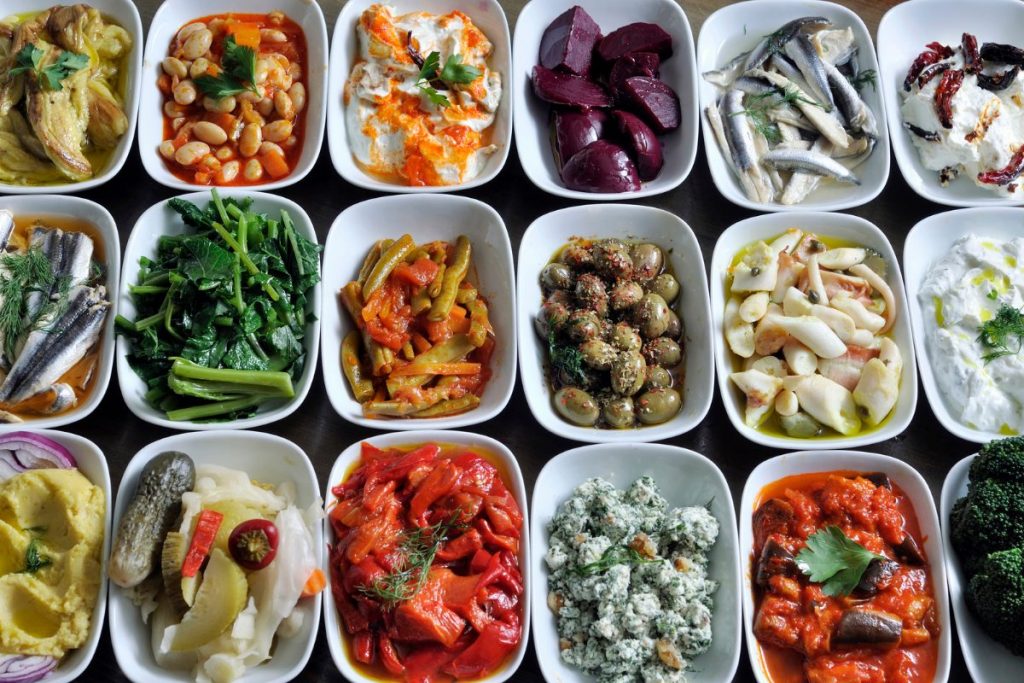
- Dips without the pita: tzatziki and melitzanosalata are gluten-free themselves - ask for cucumber, carrot or just a fork instead of bread. Taramosalata is the one dip to query, as many versions are thickened with soaked bread.
- Horta: boiled wild greens with olive oil and lemon.
- Slow braises: dishes like stifado or braised goat are usually thickened by reduction, not flour - but this is worth confirming each time.
Hidden Gluten Traps in Greek Food
Now the part that catches people out. Several beloved Greek dishes contain gluten in non-obvious places:
- Fried items and shared fryers: fried calamari, whitebait, zucchini and eggplant chips are almost always flour-dusted, and even unfloured items may share a fryer with floured ones. Cross-contamination in the fryer is the single biggest hidden risk in a taverna.
- Orzo (kritharaki): it looks like rice but is wheat pasta. It is the base of youvetsi (meat baked with orzo) and appears in some stuffed-vegetable fillings and soups.
- Béchamel: the golden top layer of moussaka and pastitsio is a flour-based white sauce, and pastitsio is layered over pasta besides. Both are off the list.
- Bulgur: some regional soutzoukakia and keftedes recipes bind the meat with bulgur or breadcrumbs. Always ask about meatballs and sausage-shaped anything.
- Phyllo everything: spanakopita, tiropita, baklava and most Greek pastries are wheat phyllo.
- Soups and sauces: a minority of kitchens thicken soups or lemon sauces with flour. Avgolemono is traditionally egg and lemon over rice - safe in most versions, but ask.
- The bread basket: it lands on the table automatically. Wave it away early, before crumbs join your meze.
How to Say It in Greek
English is widely spoken in Halkidiki's tourist season, but a few Greek phrases show you are serious and get taken seriously:
- Ého dysanexía sti glouténi (Έχω δυσανεξία στη γλουτένη) - "I have a gluten intolerance."
- Den boró na fáo sitári, alévri í psomí - "I cannot eat wheat, flour or bread."
- Éhi alévri mésa? (Έχει αλεύρι μέσα;) - "Does it have flour in it?" This simple question is your most useful tool.
- Horís psomí, parakaló - "Without bread, please."
- Íne tiganisméno sto ídio ládi me alevroména? - "Is it fried in the same oil as floured items?" Long, but worth attempting or showing written down.
A written card in Greek explaining coeliac disease - many travellers carry one on their phone - works even in the loudest August kitchen.
A Safe Ordering Strategy That Actually Works
Put together, a reliable taverna routine looks like this:
- Go early or late. At 19:00 or after 22:00 the kitchen has time to answer questions properly; at 21:00 in peak season it may not.
- Lead with the statement, not the dish. Say you cannot eat gluten before you order, so the server filters suggestions for you rather than you interrogating each item.
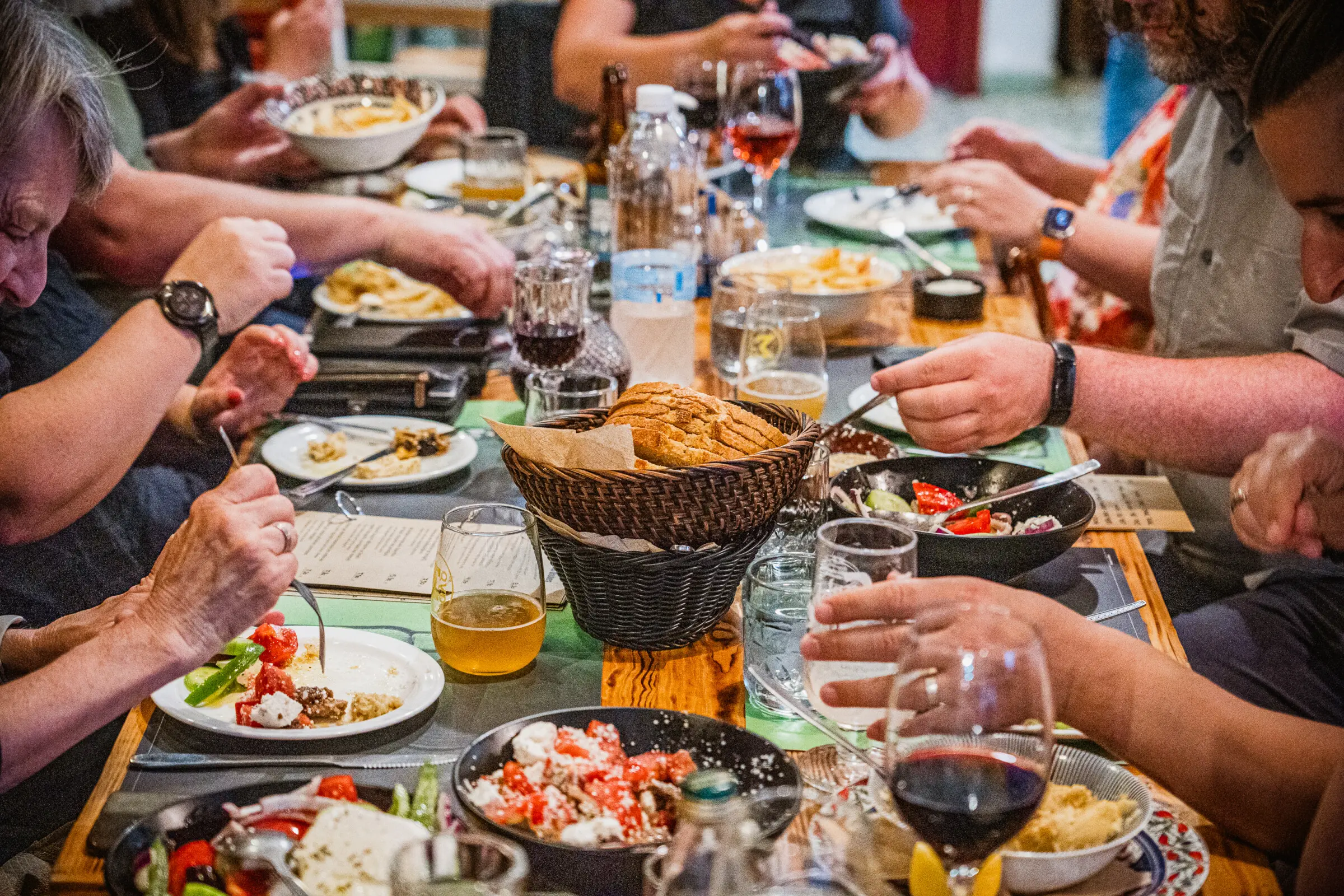
- Build a meal from the grill and the oven. Grilled fish or meat, a horiatiki, gigantes, briam and tzatziki make a generous, completely traditional spread with no compromises.
- Treat all fried food as suspect unless the kitchen confirms a dedicated fryer - rare in small tavernas, so the honest answer is usually to skip it.
- Ask about bindings and thickeners in meatballs, stuffed vegetables and sauces specifically. "Éhi alévri mésa?" covers most cases.
Eating Gluten-Free at Lauer House
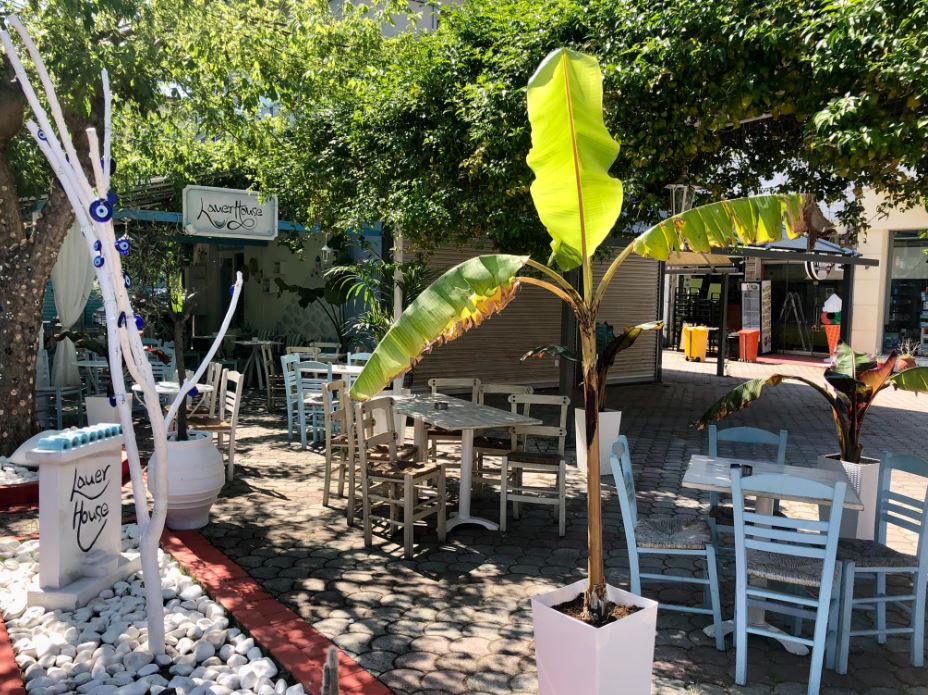
Our own kitchen in Sarti works from the same traditional playbook: fresh whole fish and seafood, grilled simply, alongside slow-cooked classics like our braised goat shank and the vegetable and legume dishes above. Because everything is cooked to order, we can tell you exactly what is in each plate - just tell us about your gluten intolerance when you sit down, or get in touch before you visit and we will talk you through the day's menu. You can also browse what we serve in advance at menu.lauerhouse.gr.
Gluten-free travellers often arrive in Greece braced for a week of plain salads and leave having eaten better than they do at home. Order from the grill, respect the fryer, ask about orzo and béchamel, and the rest of the Greek table - the beans, the greens, the dips, the fish over charcoal - is yours without a second thought.