Ordering whole fresh fish at a Greek taverna is one of the great pleasures of a Halkidiki holiday - and one of the most intimidating menu moments for visitors. There is no fixed price, the fish is chosen from a chilled display rather than a list, and the whole transaction runs on knowledge most tourists never get taught. This guide fixes that. If you want the broad view of Greek seafood - the dishes, the traditions, the full cast of sea creatures - start with our guide to Greek seafood. This post goes deeper into one specific skill: how to walk up to the fish display, choose well, understand exactly what you will pay, and get the best plate of fish of your trip.
How the Fish Display Works
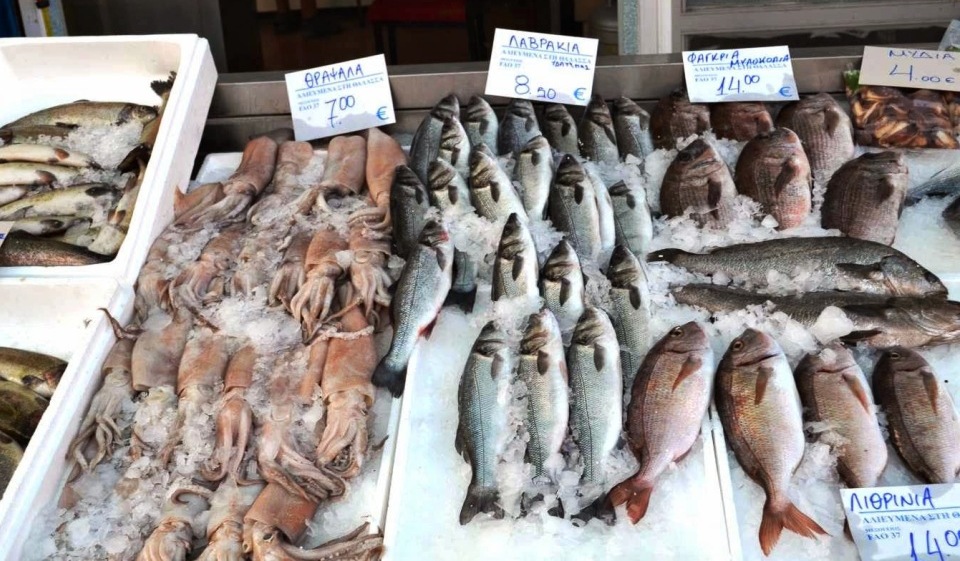
In a proper fish taverna, the day's fish is not really on the menu - it is in a refrigerated display case or on a bed of crushed ice, and you are expected to go and look. This is not a tourist gimmick; Greeks do exactly the same. Ask the waiter to show you the fish (or just say psária?) and someone will walk you to the case, lift fish out for inspection, tell you what each one is, where it came from and how the kitchen would cook it.
Take your time. It is completely normal to handle the conversation slowly, ask what came in today versus yesterday, and ask which fish the owner would choose. Greek law also works in your favour here: displayed fish must be labelled with the species and whether it is farmed or wild-caught, and defrosted fish must be marked as such (look for the word katepsygméno, frozen, on menus). A taverna that welcomes scrutiny of its fish case is a taverna that has nothing to hide - treat an evasive answer as a signal.
Reading Freshness: Eyes, Gills, Smell
Truly fresh fish announces itself, and you can learn the signs in one minute:
- Eyes: clear, glossy and slightly domed. Cloudy, sunken or grey eyes mean the fish has been out of the water too long.
- Gills: ask to see under the gill cover - fresh gills are bright red or deep pink and moist. Brown, grey or slimy gills are the clearest warning sign there is.
- Smell: fresh fish smells of the sea - clean, briny, almost like cucumber. A sharp fishy or ammonia smell means walk away.
- Body: the flesh should be firm and spring back when pressed; the skin shiny and metallic with scales intact; a very fresh fish is stiff rather than floppy.
Nobody at a good taverna is offended by this inspection - quite the opposite. Fishermen's families judge fish this way instinctively, a tradition explored in our post on Greek fishing culture in Halkidiki, and showing that you know what red gills mean earns you instant respect and, often, the best fish in the case.
Kilo Pricing: How the Weighing Actually Works
Fresh fish in Greece is priced per kilo, not per portion - the menu will list something like fish of the day with a price per kilogram next to it, varying by species. Here is the mechanic that visitors most often miss: after you choose your fish, it is weighed raw, and you pay for that weight. A good taverna will tell you the weight and the resulting price before the fish goes anywhere near the grill; if they do not volunteer it, simply ask - pósso zygízei? (how much does it weigh?) - and expect a straight answer. Confirming the price at the display is normal practice, not rudeness, and it eliminates every possible surprise on the bill.
How much fish do you need? A whole fish loses roughly half its weight to head, bones and skin, so plan on 400 to 500 grams of whole fish per person for a main course, or one plate-sized fish each. For a table sharing many dishes, one larger fish between two or three people works beautifully. Premium wild fish command high per-kilo prices, so a big specimen can become the most expensive thing you eat all week - which is exactly why the weigh-and-confirm step exists.
Farmed vs Wild: What the Labels Mean
The two fish you will see everywhere - tsipoúra (gilthead sea bream) and lavráki (sea bass) - are usually farmed. Greece is one of Europe's biggest producers of both, the quality is genuinely good, and farmed fish is the sensible-value choice: consistent size, consistent price, available year-round. Wild fish - línea or ágrio on labels - is a different proposition: firmer flesh, deeper flavour from a varied diet and a life of swimming, and a per-kilo price that can be several times higher.
Neither is a trick; they are just different products. The things to watch are honesty and match: farmed fish must be labelled as farmed, and a wild price should buy a wild fish. Species matters too - red mullet (barboúni), common pandora (lithríni) and scorpionfish are essentially always wild, while a suspiciously cheap wild sea bass deserves a raised eyebrow. When in doubt, ask where the fish came from; around Sithonia the answer is often a boat you could walk to.
The Northern Aegean Catch, Season by Season
Sarti faces the Singitic Gulf, with Mount Athos across the water, and the northern Aegean around Sithonia is rich fishing ground. Eating with the seasons gets you better fish at better prices:
- Summer: the season of small silver fish - sardines at their fatty, flavourful peak (try them as sardéles skáras, grilled sardines), fresh anchovies (gávros), and plate-sized bream.
- Autumn: squid and cuttlefish return with the cooling water, and octopus - served as classic grilled octopus - is at its best after summer feeding.
- Winter: the prime months for wild sea bass and bream, plus the rockfish and small fry that make a proper psarósoupa, the Greek fish soup that fishermen invented to use the day's unsellable catch.
- Spring: red mullet season begins, and fresh calamari - the real thing behind good kalamarákia tiganitá - is abundant.
Ask what the boats brought in this week rather than hunting a specific species; flexibility is the local superpower.
On the Plate: Whole Fish, Ladolémono and the Small-Fish Secret
Greek tavernas serve fish whole - head, tail, bones and all - because that is how fish stays juicy on a charcoal grill. It arrives simply dressed with ladolémono, the whisked emulsion of good olive oil, lemon juice and oregano that is the only sauce Greek fish ever needs (the oil matters enormously; see our Greek olive oil guide). Squeamish about the bones? Most tavernas will happily fillet the fish at the table or in the kitchen if you ask.
And here is the insider economics: small fish are the best value in the case. Sardines, anchovies and picarel cost a fraction of the big-name fish per kilo, come from local waters, and at peak season deliver more flavour than a farmed bream twice the price. A plate of grilled sardines, a village salad and a half-kilo of white wine is the northern Aegean's perfect lunch - and nobody at the next table will mistake you for a beginner.
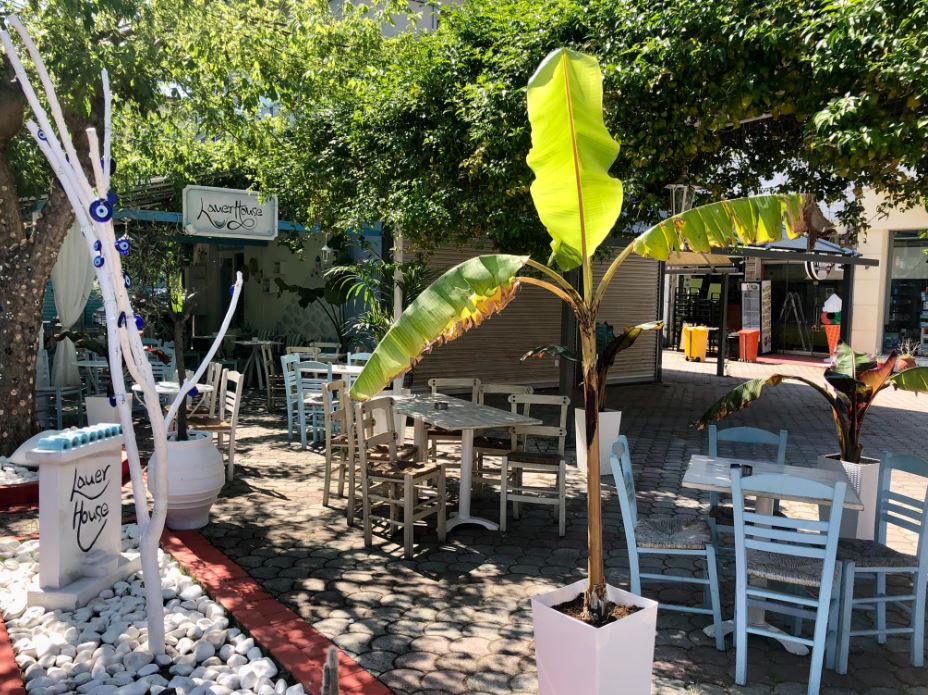
The only way to make this knowledge stick is to stand in front of a fish case and use it. In Sarti, come practise at Lauer House: fresh seafood is the heart of our kitchen, we are open daily from 10:00 to 24:00 in season, and we will gladly walk you through the day's catch, weigh your fish in front of you and grill it whole over charcoal. Bring your questions - the fish case is the best classroom in Greece.