Greece's relationship with the sea stretches back millennia, and nowhere is this more evident than in the nation's cuisine. The tavernas of Halkidiki serve some of the freshest seafood in the Mediterranean, sourced daily from local fishermen who work the waters of the Aegean. But for visitors unfamiliar with Greek seafood traditions, navigating a taverna menu can feel overwhelming. This guide will transform you from confused tourist to confident diner, helping you understand what to order, how to eat it, and why Greek seafood is considered among the finest in the world.
Understanding Fresh vs. Frozen: What to Look For
Greek law requires restaurants to indicate whether seafood is fresh or frozen, typically marked on menus with an asterisk or the word "κατεψυγμένο" (frozen). Fresh fish commands higher prices but delivers incomparably better flavor and texture. At quality establishments like Lauer House, we display the day's catch on ice, allowing guests to select their fish before it's prepared. When choosing whole fish, look for clear, bright eyes, red gills, firm flesh that springs back when pressed, and a fresh sea smell - never fishy or ammonia-like. The best tavernas have relationships with local fishermen and can tell you exactly which boat brought in your dinner. In Halkidiki, the fishing villages of Sarti, Neos Marmaras, and Porto Koufo supply much of the region's fresh catch, with boats returning in the early morning hours to offload their haul.
The Stars of the Greek Seafood Menu
While Greek waters yield dozens of edible species, certain fish have achieved iconic status in taverna cuisine. Tsipoura (gilt-head bream) and lavraki (European sea bass) are the most popular, prized for their delicate white flesh that pairs beautifully with simple preparations of olive oil and lemon. These are typically grilled whole over charcoal, allowing the skin to crisp while the meat stays moist. Barbounia (red mullet) are smaller fish served fried in groups, their sweet flesh making them perfect for sharing as a meze. For something more substantial, ask for synagrida (dentex) or fagri (common seabream), both excellent choices for grilling. Octopus holds a special place in Greek cuisine - our traditional grilled octopus is tenderized through careful preparation and grilled until slightly charred, then dressed simply with olive oil and vinegar. Kalamari (squid) can be grilled or fried, with fried being the more popular preparation - rings and tentacles coated in light batter and served with lemon.
How Greek Fish is Prepared and Priced
Most fresh fish in Greek tavernas is priced by the kilogram rather than per portion, which can surprise first-time visitors. The waiter will weigh your selected fish and quote a price before preparation - this is standard practice, not an attempt to overcharge. Grilled fish is the quintessential preparation: whole fish scored, brushed with olive oil, and cooked over charcoal or wood fire. The fish arrives at your table with simple accompaniments - lemon wedges, olive oil, and often a side of horta (boiled greens) or a Greek salad. Eating whole fish is an art in itself: start by removing the top fillet from head to tail, lift out the spine in one piece, then enjoy the bottom fillet. Greeks consider the cheeks and collar the most prized parts, so don't neglect these morsels. For those uncomfortable with bones, ask for fish to be filleted ("φιλέτο"), though purists argue this compromises flavor since bones contribute to moisture and taste during cooking.
Beyond Fish: Shellfish and Crustaceans
Greek tavernas offer abundant shellfish options that shouldn't be overlooked. Garides (shrimp) are often served saganaki-style, baked in a tomato sauce with feta cheese - a rich, indulgent dish perfect for scooping with crusty bread. Mydia (mussels) from the waters around Halkidiki are exceptionally plump and sweet, served steamed with wine and herbs or in the same saganaki preparation. Karavides (crayfish) appear on menus near fishing harbors, their sweet meat rivaling lobster at a fraction of the price. Speaking of lobster, astakomakaronada - lobster pasta - represents Greek seafood at its most luxurious, with the crustacean's cooking liquid forming the base of a rich tomato sauce served over thick spaghetti. At Lauer House, our mussels saganaki has become a signature dish, featuring local mussels in a bubbling sauce that guests return for year after year.
Pairing Seafood with Greek Wines
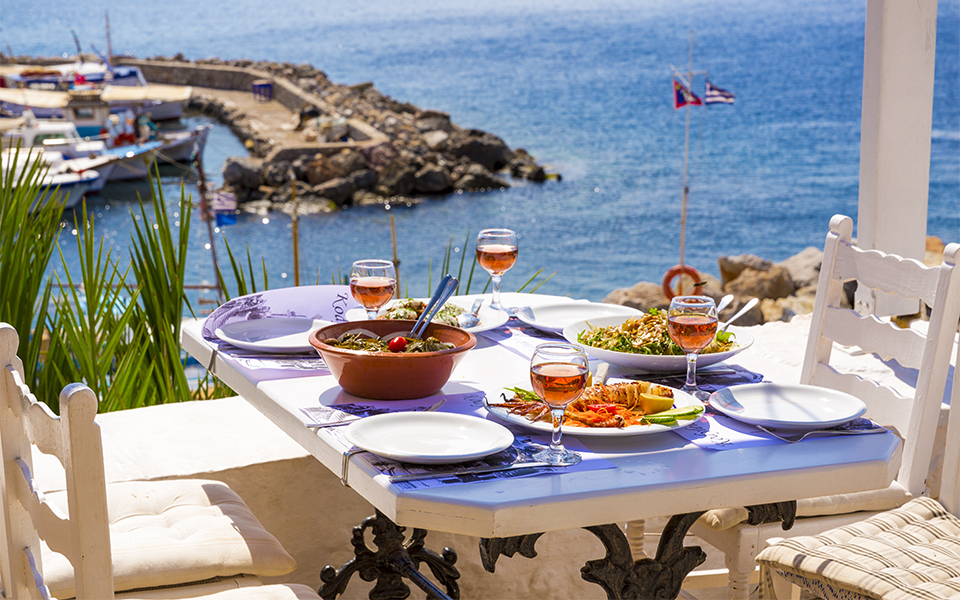
The wines of Northern Greece complement seafood beautifully, with several indigenous grape varieties that have evolved alongside the local cuisine. Assyrtiko, originally from Santorini but now grown throughout Greece, offers crisp acidity and mineral notes that cut through rich fish preparations. Malagousia, a nearly-extinct variety revived in the 1970s, provides aromatic complexity with stone fruit and herbal notes - excellent with grilled white fish. For heartier preparations like octopus or lobster pasta, consider a light red such as Xinomavro rosé, which has enough structure to stand up to stronger flavors without overwhelming the seafood. Local producers in Halkidiki, particularly around the Sithonia peninsula, craft excellent examples of these varieties. Ask your server for recommendations - at quality restaurants, staff are trained to suggest pairings that enhance both the food and wine. A well-chosen bottle transforms a seafood dinner from mere sustenance into a memorable experience that captures the essence of Greek coastal living.