Ask anyone who has been a guest at a wedding in Halkidiki and they tend to say the same thing: it barely felt like a wedding trip at all. It felt like a Greek summer holiday that happened to include the best party of the year. With long sandy coastlines, pine-backed coves, whitewashed chapels and a straightforward transfer from Thessaloniki's international airport, Halkidiki has quietly become one of northern Greece's most rewarding places to get married. This guide walks through the settings, the paperwork, the timing, the light - and, because this is Greece, the feast.
Why Halkidiki Works for a Destination Wedding
The practical case is strong. Guests fly into Thessaloniki, and within a couple of hours by road they are on a peninsula where the sea is rarely more than a few minutes away. Because Halkidiki is a holiday region first and a wedding destination second, your guests get a genuine week in Greece rather than a single scheduled evening: beach days, taverna dinners, boat trips and lazy mornings bookend the ceremony itself.
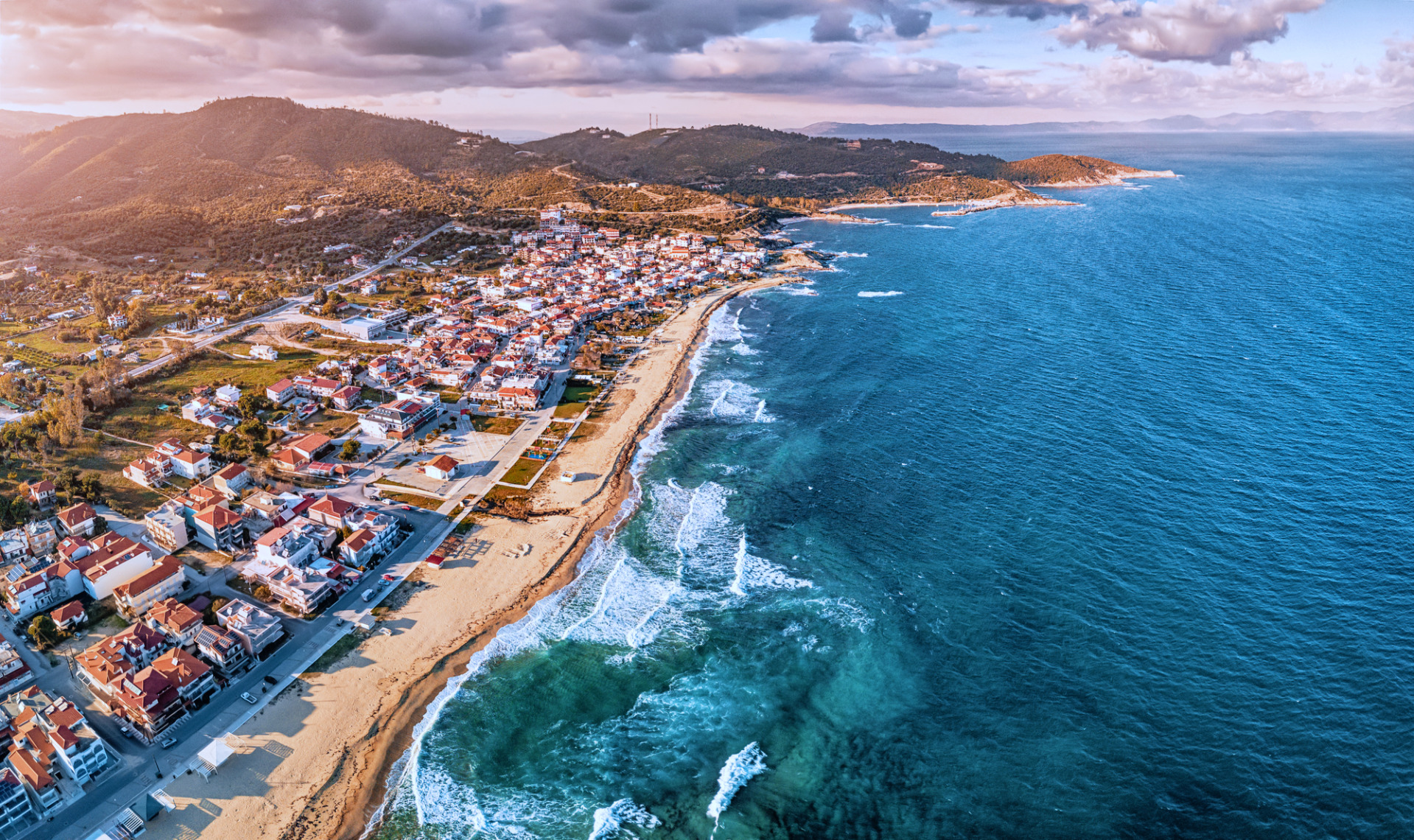
The region also offers real variety within a small area. The Kassandra peninsula is livelier, with large resorts and organised beaches, while Sithonia - the middle peninsula, where the village of Sarti sits - is greener, quieter and wilder, with some of the most photogenic coastline in Greece. Whether your dream is a polished resort terrace or a barefoot ceremony on sand with mountains across the water, both exist here, often within a short drive of each other.
Choosing Your Setting: Beach, Resort or Village Church
Beach ceremonies
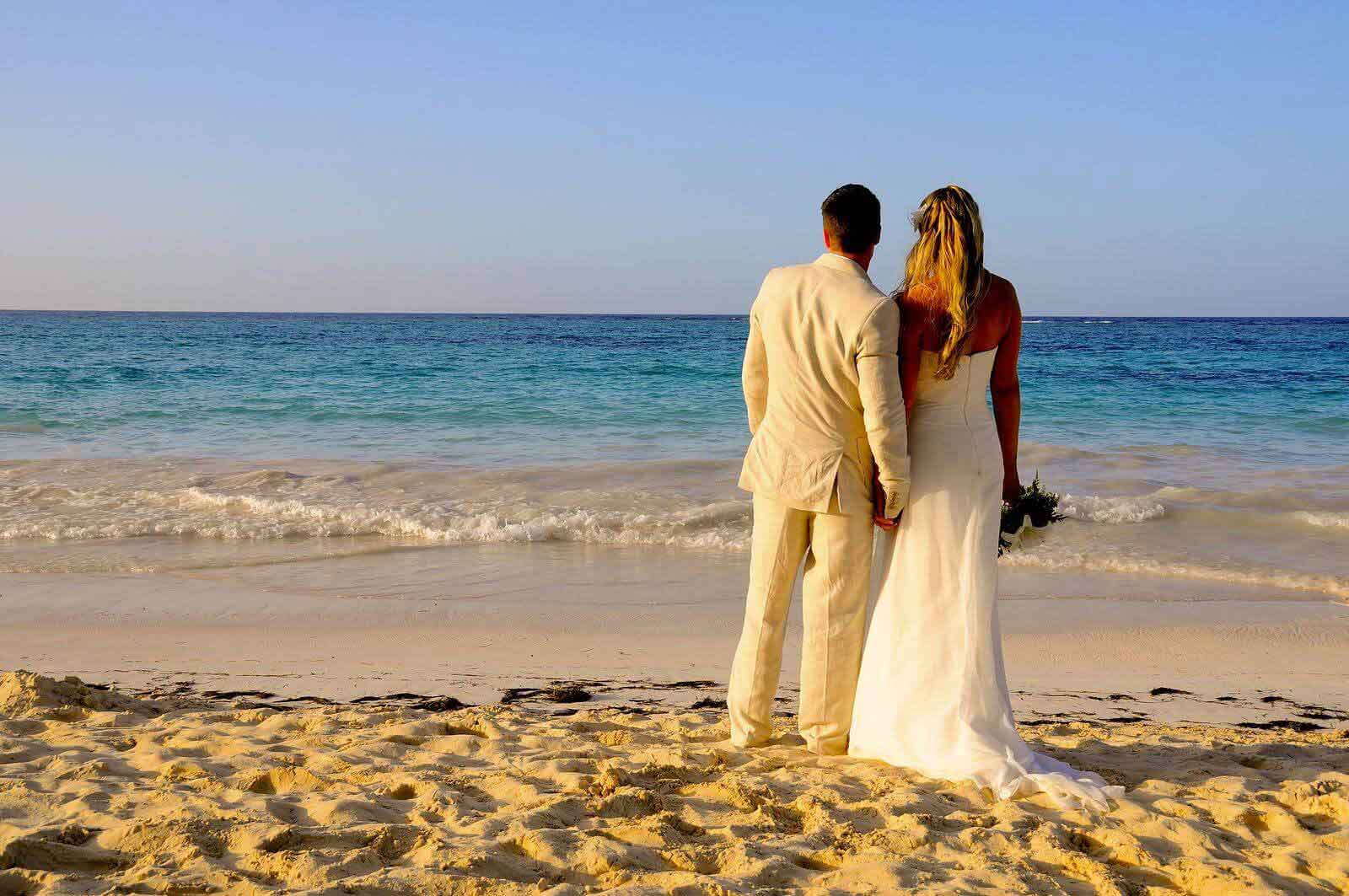
A beach wedding in Halkidiki usually means a late-afternoon ceremony, an arch or floral setup on the sand, and dinner nearby as the light turns gold. Sithonia's east coast adds something few places can: the silhouette of Mount Athos rising across the gulf behind the ceremony. Practicalities matter, though. Public beaches are exactly that - public - so setups generally need to be coordinated in advance, and the local municipality is the right starting point for what is permitted where. Build in a plan B for wind, which can pick up in the afternoon, and warn guests that heels and sand are natural enemies.
Resort weddings
Resorts concentrate everything in one place: ceremony space, catering, accommodation, coordinators and an indoor fallback if the weather misbehaves. For couples planning from abroad, that convenience is hard to overstate - one point of contact instead of ten. The trade-off is atmosphere. Resort weddings can feel similar from one property to the next, so couples who choose this route often add village and taverna elements around the main day to give guests a taste of local life.
Village churches and chapels
Halkidiki's villages and headlands are dotted with small whitewashed chapels, and a ceremony framed by bougainvillea and bell towers is as Greek as it gets. Be aware that a religious wedding in a Greek Orthodox church comes with its own requirements and is generally only open to Orthodox Christians, so speak to the local parish very early if this is your hope. Many international couples instead hold a civil or symbolic ceremony nearby and let the village provide the backdrop: narrow lanes for photographs, a square for mingling, and a long taverna table for the celebration itself.
Civil Ceremony Paperwork for Foreign Couples
Foreign couples can legally marry in Greece through a civil ceremony, typically conducted under the authority of the local municipality. The document list usually includes valid passports, birth certificates bearing an apostille, a certificate of no impediment to marriage, and official translations into Greek, with an application and notice period handled through the town hall. The exact requirements vary by nationality and change over time, so treat any list - including this one - as a starting point only. Confirm current requirements directly with the municipality where you plan to marry and with your own country's consulate or embassy in Greece, and begin several months ahead. A popular alternative is to complete the legal formalities at home and hold a symbolic ceremony in Halkidiki: every bit as moving, with none of the certified-translation stress.
The Best Months to Marry in Halkidiki
Late May and June bring green hillsides, comfortable temperatures and a sea that is already swimmable - lovely for guests who want beach time without August intensity. September is the other sweet spot: the water is at its warmest after a summer of heating, evenings are balmy, and villages have room to breathe again. Our shoulder season guide covers what these months feel like on the ground. July and August certainly work - this is peak Greek summer, with every beach bar and boat trip running - but expect heat, crowds and the highest demand for venues and accommodation. In high summer, plan ceremonies for early evening, when the temperature drops and the light turns kind.
Photography and the Halkidiki Light
Photographers love this region for a simple reason: the golden hour here genuinely glows. On Sithonia's east coast, sunrise sessions face Mount Athos across the water, while the west coasts of both peninsulas deliver classic over-the-sea sunsets. Midday light in a Greek summer is harsh and flattening, so most couples schedule portraits for early morning or the last two hours before sunset. Beyond the beach, olive groves, stone paths and sculpted white rocks give a full album's worth of variety within a short drive - our guide to Halkidiki's best photography spots maps the standouts. Many couples also plan a relaxed next-day shoot, swimwear and all, once the formal dress has done its duty.
The Wedding Feast: Group Dining, Taverna Style
However you marry, the meal is where a Greek wedding becomes unforgettable. The taverna model suits wedding groups perfectly: long shared tables, platters of meze arriving in waves, fresh seafood, slow-cooked meats and local wine - see our Halkidiki wine guide for what to pour. Nobody orders alone; everybody passes plates; conversation does the rest.
In Sarti, Lauer House hosts wedding parties and celebration groups at exactly this kind of table. The kitchen is built around fresh seafood and traditional Greek dishes, with a slow-braised goat shank as the signature plate - the kind of dish a long table remembers. The taverna is open daily from 10:00 to 24:00 in season, and if your group lands on a Wednesday or Thursday evening, live Greek music from 20:00 turns dinner into a proper celebration. You can browse the full menu at menu.lauerhouse.gr and get in touch to arrange a group booking.
Whether you are planning a barefoot ceremony on Sithonia's sand or scouting venues on a first visit, come and see the peninsula at its own pace - and when the tasting research begins, a family-run table at Lauer House in Sarti is a very pleasant place to start.