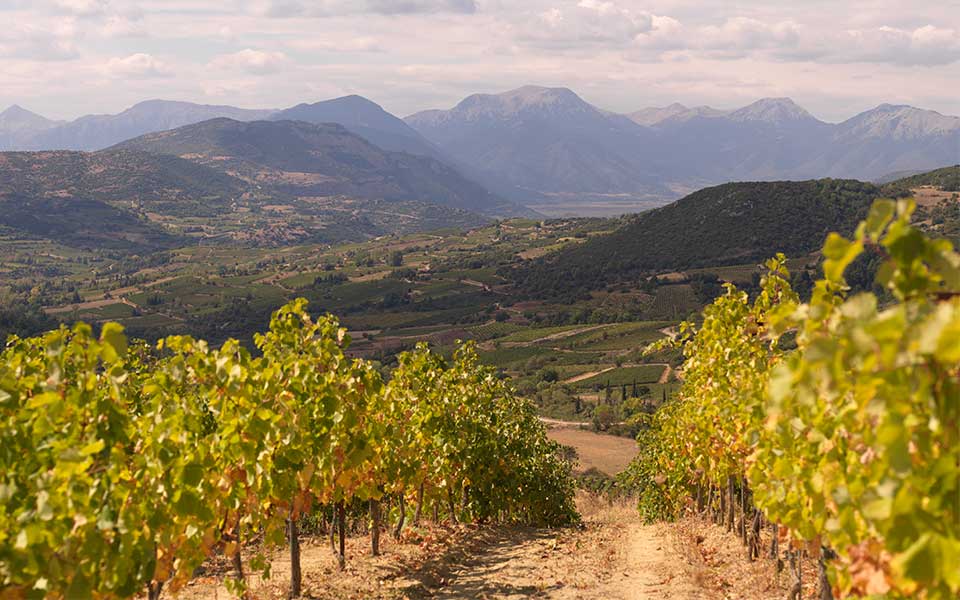
Greece may be better known for ouzo and retsina, but a quiet revolution has transformed the country into one of the most exciting wine destinations in the Mediterranean. Indigenous grape varieties that survived millennia of history are now being vinified by a new generation of winemakers using modern techniques while honoring ancient traditions. Northern Greece, including Halkidiki and the surrounding regions, produces wines of exceptional quality that remain largely undiscovered by international markets - meaning visitors enjoy world-class bottles at remarkably reasonable prices. Whether you're a wine enthusiast or simply curious, understanding Greek wine will enhance every meal you enjoy during your Halkidiki holiday.
Indigenous Greek Grape Varieties
What makes Greek wine truly special is its wealth of indigenous varieties found nowhere else on Earth. While international grapes like Cabernet Sauvignon and Chardonnay are grown here, the real excitement lies in varieties with tongue-twisting names and distinctive flavors. For white wines, Assyrtiko from Santorini has achieved international acclaim for its crisp acidity and mineral character - it pairs magnificently with seafood. Malagousia, rescued from near-extinction in the 1970s, offers aromatic complexity with peach, citrus, and herbal notes. Moschofilero produces delicately aromatic wines perfect for aperitifs. For reds, Xinomavro (meaning "acid-black") is often compared to Nebbiolo for its high acidity, firm tannins, and aging potential - wines from Naoussa and Amyndeon can rival fine Barolo. Agiorgitiko from Nemea makes juicy, fruit-forward reds ideal for those new to Greek wine. In Halkidiki specifically, the ancient variety Limnio - mentioned by Aristotle himself - produces distinctive wines with herbal, spicy notes unlike anything you've tasted before.
Wine Regions Near Halkidiki
While Halkidiki itself has limited vineyard plantings, it's surrounded by some of Greece's most important wine regions. Just to the west, the Slopes of Mount Vertiskos produce excellent wines at high altitude. Further inland, Naoussa and Amyndeon in Macedonia are celebrated for Xinomavro, while the Côtes de Meliton appellation within Halkidiki itself produces both indigenous and international varieties on the Sithonia peninsula. The monastic state of Mount Athos has produced wine for over a thousand years, and Athonite wines made from Limnio and other ancient varieties are becoming sought-after by collectors. Several wineries welcome visitors for tours and tastings - a wonderful day trip from Sarti that offers insight into an often-overlooked aspect of Greek culture. The combination of unique terroir, ancient varieties, and passionate winemakers creates wines that offer genuine discovery for even experienced wine lovers.
Pairing Greek Wine with Local Cuisine
Greek wines evolved alongside Greek food, making them natural partners at the table. At Lauer House, we take pride in our Greek wine list and our staff's ability to recommend pairings that enhance both wine and food. As a general guide: crisp white wines like Assyrtiko or Malagousia complement grilled fish and seafood dishes beautifully, their acidity cutting through olive oil richness. For meze spreads featuring varied flavors, consider a versatile rosé or light red served slightly chilled. Heartier dishes like lamb, stifado, or moussaka call for structured reds like Xinomavro or Agiorgitiko. Sweet wines from Muscat or Vinsanto pair wonderfully with traditional desserts like baklava. Don't be afraid to experiment - Greek wines often surprise with their food-friendliness. And if you're uncertain, simply ask your server. Part of the joy of dining in Greece is discovering new flavors, and local expertise can guide you to combinations you'd never find on your own.
Understanding Greek Wine Labels
Greek wine labels can be intimidating, with unfamiliar grape names and appellations. Here's what to look for: PDO (Protected Designation of Origin) or the Greek equivalent OPAP/OPE indicates wines from defined regions meeting quality standards. PGI (Protected Geographical Indication) covers a broader category of quality regional wines. The grape variety is usually listed, sometimes alongside the region. Vintage dates matter for reds intended for aging but are less critical for fresh whites meant for immediate drinking. Price is a reasonable quality indicator in Greece - while bargains exist, extremely cheap wines are usually best avoided. In restaurants, don't overlook the house wine (krasi chimero or vareli) - in quality establishments like Lauer House, even basic wines are carefully selected. For retail shopping, seek out specialty wine shops where staff can offer guidance, or visit wineries directly where you can taste before buying. Bringing a few bottles home makes an excellent souvenir - just check your luggage allowances and pack carefully.
The Greek Wine Experience
Wine drinking in Greece is fundamentally social and inseparable from food. You'll rarely see Greeks drinking wine without eating, and the pace is leisurely - a bottle might last an entire evening as courses come and go and conversation flows. This approach to wine as one pleasure among many, rather than the focus of intense analysis, reflects a healthy attitude worth adopting during your visit. Order a bottle to share, let it accompany your meal rather than dominate it, and don't worry about drinking it at the "correct" temperature or in the "right" glasses. Greek wines are resilient and forgiving, made to be enjoyed rather than fussed over. As you watch the sunset over Mount Athos with a glass of Malagousia in hand, you'll understand that the setting, the company, and the moment matter as much as what's in your glass. That, perhaps, is the most important Greek wine lesson of all.