No celebration in the Greek calendar approaches the profound significance and elaborate traditions of Orthodox Easter, known as Pascha. While Christmas has grown in importance, Easter remains the paramount religious and cultural event of the year, a time when Greeks return to their ancestral villages, families gather for extended celebrations, and the entire nation engages in rituals that connect present generations to thousands of years of tradition. Experiencing Easter in Halkidiki offers visitors an extraordinarily moving glimpse into Greek spiritual and cultural life, provided they understand what to expect and prepare to participate in the unique rhythm of this sacred time.
Holy Week builds toward Easter with increasing intensity, beginning with Palm Sunday and progressing through liturgies that commemorate the final days of Christ life. The most publicly visible events occur on Holy Thursday and Good Friday, when churches throughout Halkidiki villages host deeply emotional services. On Good Friday evening, the Epitaphios procession sees the symbolic funeral bier of Christ carried through village streets accompanied by brass bands playing solemn hymns, clergy, altar boys, and townsfolk carrying candles. Every village church holds this procession, creating an atmosphere of community mourning that is both beautiful and profoundly sad. Visitors are welcome to watch or join these processions, which typically begin around 9 PM and wind through village streets before returning to the church.
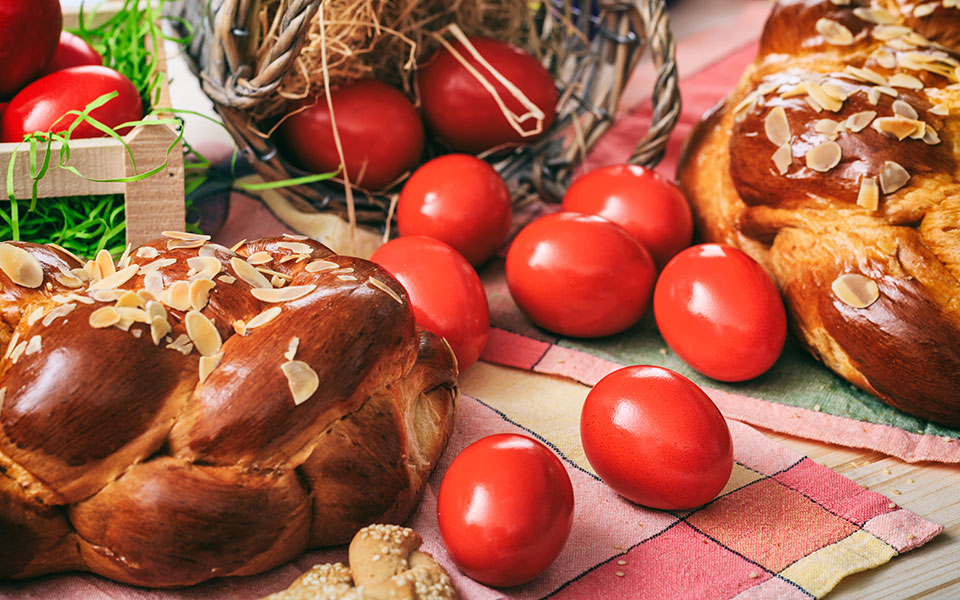
The climax arrives at midnight on Holy Saturday, when the Resurrection service culminates in an explosion of joy. Churches pack with worshippers holding unlit white candles, the interior lights extinguished for the reading of the Gospel. At the stroke of midnight, the priest emerges from the altar with the Holy Light, proclaiming "Christos Anesti" (Christ is Risen), and the flame passes from candle to candle until the entire congregation blazes with light. Simultaneously, bells ring out across every village, fireworks illuminate the sky, and the response "Alithos Anesti" (Truly He is Risen) echoes everywhere. This moment of transition from mourning to celebration is one of the most powerful communal experiences imaginable. Following the service, families return home to break the Lenten fast with magiritsa soup, red-dyed eggs, and the first taste of wine after weeks of abstinence.
Easter Sunday centers on the great feast, traditionally featuring lamb roasted on spits in family courtyards throughout Halkidiki. The aroma of roasting meat fills the air of every village as extended families gather for celebrations that begin at midday and continue into evening. Traditional foods beyond the lamb include kokoretsi (offal wrapped in intestines and grilled), tsoureki bread, and an abundance of salads, appetizers, and desserts. Egg-cracking competitions, where each person tries to crack others eggs while keeping their own intact, provide entertainment for all ages. At Lauer House in Sarti, our Easter menu honors these traditions while offering preparations that showcase the finest lamb prepared with family recipes passed through generations. The celebration continues on Easter Monday, with many families picnicking and enjoying the beautiful spring weather.
Practical considerations for visiting Halkidiki during Greek Easter deserve attention. Dates vary annually, falling anywhere from early April to early May depending on the Orthodox calendar, which often differs from Western Easter. Accommodation in villages books far in advance as Greeks return home, though tourist-oriented coastal establishments may have availability. Many businesses close during key days of Holy Week, particularly Good Friday and Easter Sunday, so shopping and transportation require advance planning. The atmosphere, however, rewards any inconvenience: experiencing Greek Easter transforms a simple vacation into a profound cultural immersion. The combination of spiritual tradition, family celebration, exceptional food, and the joyous release of spring creates memories that visitors treasure for lifetimes. The proximity to Mount Athos, where Easter traditions reach their most elaborate expression in the Byzantine monasteries, adds additional dimension to this sacred time in Halkidiki.