Halkidiki looks compact on the map, but its three peninsulas stretch surprising distances into the Aegean, and how you choose to get around will shape your whole holiday. Sithonia in particular - the middle peninsula, home to Sarti - rewards travellers who can stop on a whim: a viewpoint here, a dirt track down to a quiet cove there. Public transport exists and works, but it is built around villages, not beaches. This guide walks through every realistic option - rental cars, KTEL buses, taxis and transfers, scooters and ATVs - along with the practical realities of Sithonia's roads, parking and famously sparse fuel stations, so you can sort the logistics once and then forget about them.
Why a Rental Car Is the Way to Go
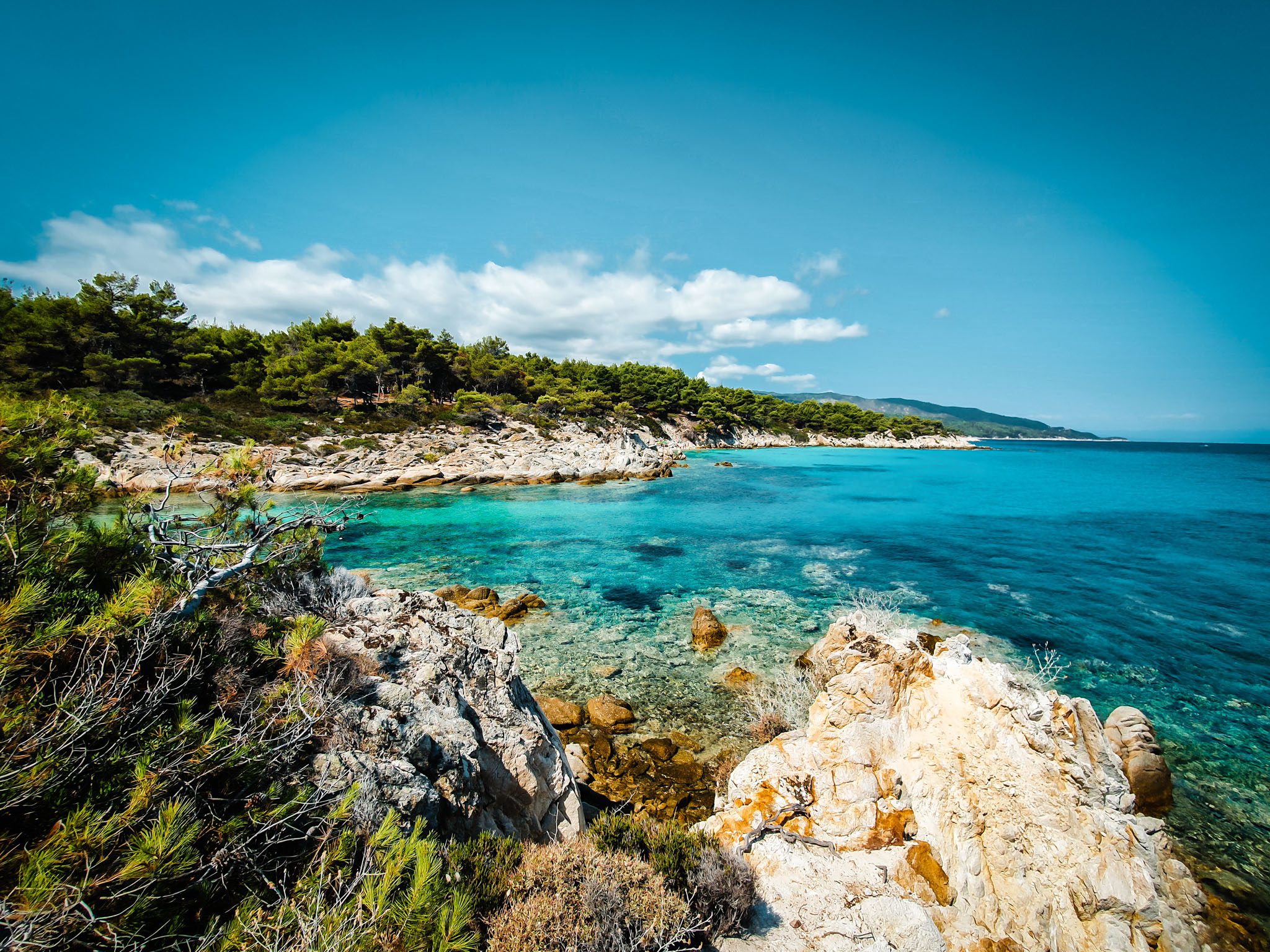
If your budget allows one splurge on logistics, make it a rental car. Halkidiki's best moments are rarely at the end of a bus route: the white marble rocks of Kavourotrypes, the quiet coves between Sarti and Vourvourou, the fishing harbour at Porto Koufo - all are easiest, and sometimes only possible, to reach with your own wheels. A car turns the Sithonia coastal loop into one of Greece's great scenic drives, and it makes spontaneous beach-hopping the default rather than a project.
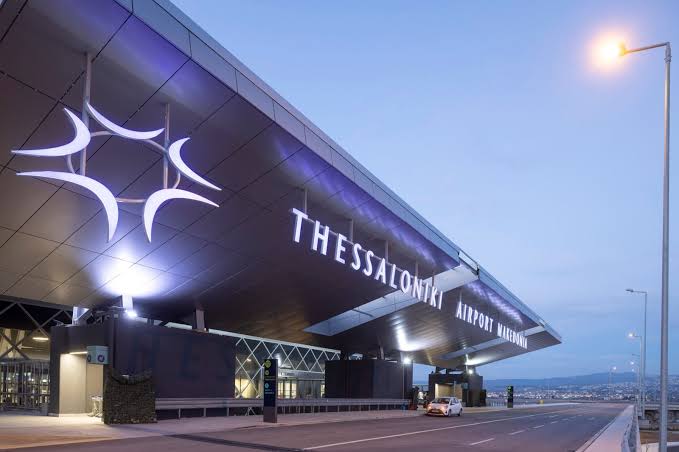
A few practical notes. Book well ahead for July and August, when demand outstrips supply and prices climb steeply. A small car is genuinely better here: village lanes are narrow, parking spaces are tight, and nothing about Sithonia requires horsepower. If you are flying in, collecting the car at Thessaloniki's Makedonia Airport is the simplest option - the drive to Sarti takes roughly two to two and a half hours. Finally, read the insurance terms carefully: many contracts exclude damage sustained on unpaved roads, which matters in a region where the best hidden beaches sit at the end of dirt tracks. Take those slowly, in first or second gear, and you will be fine.
KTEL Buses: The Budget Backbone
Greece's regional bus network, KTEL, connects Thessaloniki with the villages of Kassandra and Sithonia, and it is by far the cheapest way to reach the coast. Services to Sithonia - including Sarti - run several times daily in season, with reduced frequency in spring, autumn and winter. Timetables change from year to year, so always check the current KTEL Halkidiki schedule before you build plans around it.
The buses themselves are comfortable, air-conditioned coaches with luggage space underneath, and drivers are used to tourists. The trade-offs are time and flexibility: the route threads through villages rather than taking the fastest line, evening departures are limited, and once you are in Sarti the bus will not take you to the small beaches between settlements. KTEL works brilliantly for arrival and departure, and for the occasional excursion to a larger village, but it is not a beach-hopping tool. If you plan to rely on it, base yourself somewhere walkable - Sarti's long beach, tavernas and shops are all within strolling distance of each other, which makes it one of the better car-free bases on the peninsula.
Taxis and Private Transfers
Taxis in Halkidiki are village-based rather than street-hailed. The larger settlements - Nikiti, Neos Marmaras, Sarti - have local drivers, but you will rarely flag one down; the normal approach is to ask your accommodation to call one, or to book by phone an hour or more ahead. Agree the fare or confirm the meter before setting off, especially for longer cross-peninsula runs, and expect availability to tighten on August evenings.
Pre-booked private transfers are the stress-free option for arrival day. A driver meets you at Thessaloniki airport with a fixed, agreed price and takes you door to door - worth serious consideration if you land late at night, travel with small children, or simply do not want to start a holiday with a two-hour drive after a flight. For groups of three or four sharing the cost, a transfer can compare surprisingly well with other options. Many visitors combine a transfer for arrival with local buses, boat trips and taxis for the rest of the week.
Scooters, ATVs and Quads: Rent With Your Eyes Open
Two wheels and four-wheeled quads are everywhere in Halkidiki in summer, and for short hops between a village and a nearby beach they are undeniably fun. They are also the source of most tourist mishaps, so rent with your eyes open:
- Licences matter. Engine size determines which licence category you need, and rules are enforced. Carry the correct licence, and an International Driving Permit if your home licence requires one in Greece.
- Helmets always. It is the law, and gravel-strewn bends make it common sense. Insist on helmets that actually fit.
- Respect the surface. Loose gravel at junctions, sandy patches near beaches and sun-melted tar catch out inexperienced riders.
- Distances deceive. An ATV that feels lively in a village is painfully slow on the open coastal road, and a 25-kilometre round trip under the July sun is longer than it sounds.
- Check the insurance excess and photograph existing scratches before you ride off.
If you have never ridden before, Halkidiki in high season is not the place to learn. For anything beyond short local runs, a small car is safer, cooler and barely more expensive.
Driving on Sithonia: Roads, Parking and Fuel
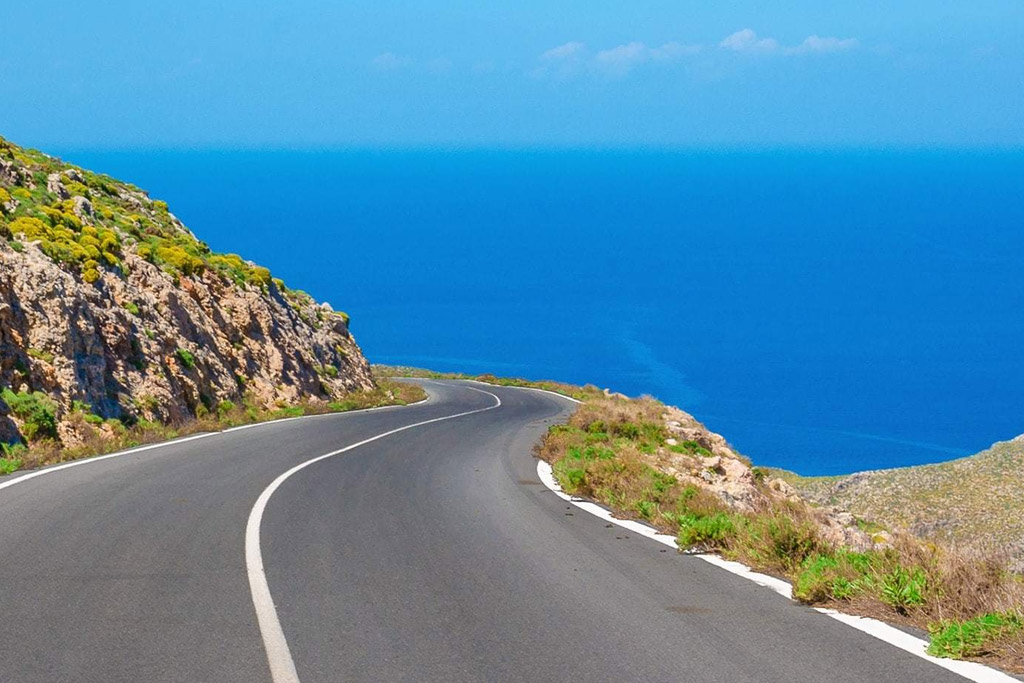
The good news first: the main road that loops around Sithonia - just over a hundred kilometres of coast-hugging asphalt - is generally in good condition, well surfaced and gloriously scenic. It is also full of bends, blind crests and, memorably, goats. Herds wander onto the road in the quieter southern stretches, so keep speeds modest and assume something is around the corner, because it often is. Side roads down to beaches range from decent gravel to rutted dirt; walk anything doubtful before committing the car.
Parking is straightforward by Greek standards. Most villages have free roadside and informal lot parking; the challenge in August is space, not cost, so arrive at popular beaches before late morning and never block field gates or narrow lanes. In Sarti itself, park once on the edge of the village and walk - everything is close.
Fuel deserves its own warning. Petrol stations cluster in the north of the peninsula, around Nikiti, Agios Nikolaos and Neos Marmaras, and become genuinely sparse in the south. If you are heading for Toroni, Porto Koufo or Kalamitsi, fill up beforehand, and adopt the local half-tank rule: refuel whenever the gauge drops to half. Some stations keep short hours outside high season.
Arrival Day and Trip-Planning Tips
From Thessaloniki and its airport, the route to Sithonia runs southeast on a fast dual carriageway to Nea Moudania, then along the coast past Nikiti before splitting down either side of the peninsula. Signage is good and bilingual. If you arrive in the afternoon, stop for groceries in one of the larger towns en route - selection is better and queues shorter than in village shops in August. Avoid driving unfamiliar rural roads late at night if you can; lighting is minimal outside settlements.
Once settled, the same car opens up the whole region: see our guide to day trips from Sarti for ideas, from Mount Athos cruise departures to ancient sites. And before you set off anywhere, a skim of our safety and health tips covers the sensible basics, from sun sense to emergency numbers.
However you travel, all roads on this coast eventually funnel into Sarti around dinner time - and that is no bad thing. Park up, walk the seafront, and join us at Lauer House, our family-run taverna in the village, open daily from 10:00 to 24:00 in season. Browse the menu ahead at menu.lauerhouse.gr, or simply get in touch - the slow-braised goat shank is worth every kilometre.