Greek culture comes alive through its festivals, celebrations, and traditions that mark the passage of time and bring communities together. In Halkidiki, ancient customs blend with Orthodox Christian observances to create a calendar rich with events worth experiencing. Whether you witness a village panigiri (saint's day festival), join locals celebrating Easter, or simply observe daily rituals that connect modern Greeks to their ancestors, understanding these traditions deepens your appreciation of this remarkable culture beyond beaches and tavernas.
Panigiri: Village Saint's Day Festivals
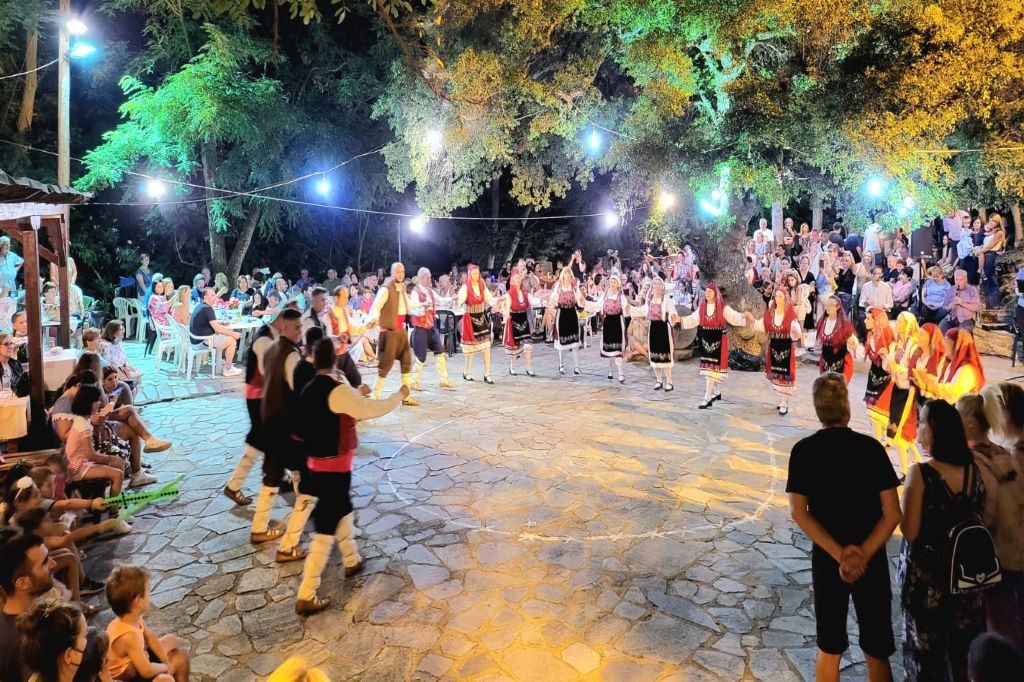
Every Greek village celebrates the feast day of its patron saint with a panigiri - a festival combining religious observance with music, dancing, and communal eating. These events represent Greek culture at its most authentic: the entire village gathers, from grandparents to toddlers, for celebrations that often last through the night. In Sarti and surrounding villages, summer months bring multiple panigiri opportunities. The pattern is similar everywhere: church services in the evening, followed by live traditional music in the village square or a designated area, with vendors selling souvlaki, loukoumades (honey puffs), and drinks. Dancing begins as families fill the dance floor, performing steps passed down through generations. Visitors are welcome and often encouraged to join - Greeks delight in teaching the basic moves to curious foreigners. Ask locally about upcoming panigiri during your visit; dates vary annually based on the Orthodox calendar, and the experience offers genuine cultural immersion unavailable through any organized tour.
Easter: Greece's Most Important Celebration
While summer visitors miss Greek Easter (which falls on a different date than Western Easter, usually later), those fortunate enough to be present witness the country's most significant celebration. Holy Week builds through increasingly solemn services to the midnight Resurrection liturgy, when darkness gives way to light as the priest emerges with the Holy Flame and candles pass from hand to hand until the church and square blaze with flickering lights. "Christos Anesti" (Christ is risen) echoes through the crowds as fireworks explode and church bells ring. The following day, families gather for lamb roasted on spits, accompanied by wine, music, and games that continue throughout the day. Even outside Easter week, understanding its importance helps visitors appreciate Greek culture - many traditions, foods, and expressions trace their roots to this central religious and cultural event.
Summer Festivals and Cultural Events
Halkidiki hosts various cultural festivals during the tourist season, ranging from organized events to spontaneous celebrations. The Sani Festival at Sani Resort brings international and Greek musicians to perform against a backdrop of sunset over the sea - one of Europe's most beautiful concert settings. Smaller venues throughout the peninsula host Greek music nights featuring traditional instruments like bouzouki and baglamas, where audience participation is expected and newcomers are welcomed warmly. Wine festivals in August celebrate the grape harvest, with local producers offering tastings and villages hosting related festivities. Nautical weeks in fishing villages honor maritime traditions with boat parades, competitions, and seaside feasting. These events appear in local announcements and word-of-mouth rather than international tourism calendars - another reason to engage with locals who can point you toward authentic experiences.
Daily Rhythms and Small Traditions
Beyond formal festivals, Greek culture reveals itself through daily rhythms and small traditions that visitors might miss without attention. The evening volta - a leisurely stroll through village streets or along the waterfront - brings entire communities out to walk, socialize, and see friends. Coffee culture means spending hours at a single table, never rushed, conversation flowing as freely as the caffeine. Name days are celebrated as enthusiastically as birthdays, with family and friends visiting throughout the day to offer wishes. Breaking plates at celebrations (now somewhat touristy but still practiced at authentic events) expresses joy so overwhelming that it must be physically released. Refusing hospitality - even a simple coffee or sweet - causes genuine offense, as philoxenia (love of strangers) remains a core Greek value. At restaurants like Lauer House, you might receive complimentary fruit or sweets at your meal's end - accept graciously as the gift it represents.
Participating Respectfully
Greeks generally welcome visitors to their celebrations, but respectful participation enhances the experience for everyone. At religious services, dress modestly (covered shoulders and knees), stand when others stand, and observe rather than photograph unless clearly appropriate. At panigiri and similar events, watching before joining the dance allows you to learn steps and avoid disrupting established circles. Ask before photographing individuals, particularly older villagers who may be uncomfortable with cameras. Attempting a few Greek words - "efharisto" (thank you), "yamas" (cheers), "opa" (an exclamation of joy) - demonstrates respect and invariably delights locals. If invited to homes or private celebrations, bring a small gift (wine, sweets, flowers) as Greeks never arrive empty-handed. Above all, approach Greek traditions with genuine curiosity rather than touristic entitlement. The authenticity that makes these experiences valuable depends on maintaining them as living culture rather than performances for visitors.