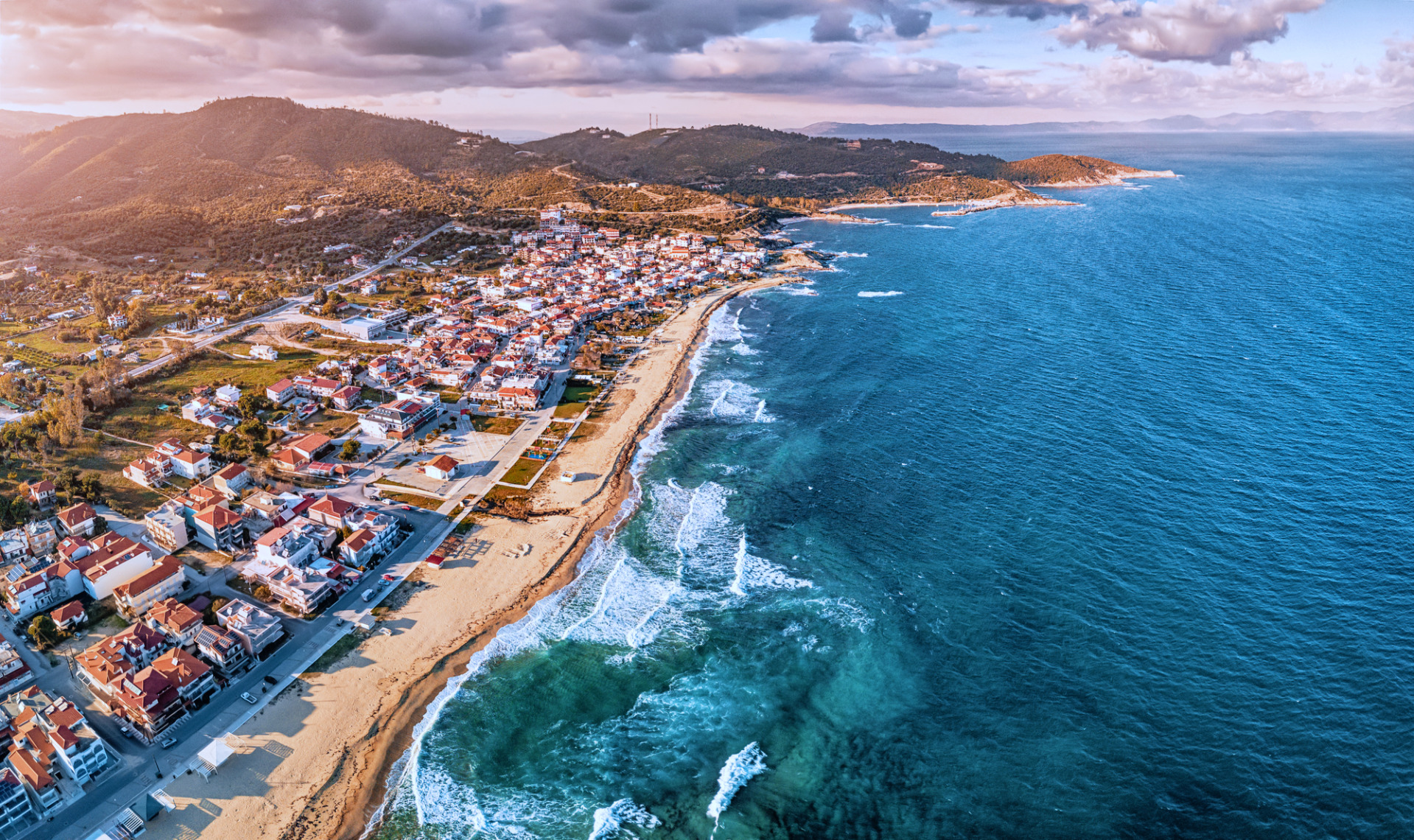
Along the shores of Halkidiki three peninsulas, the rhythm of life has been dictated by the sea for millennia. Fishing villages that dot the coastlines of Kassandra, Sithonia, and the waters around Mount Athos maintain traditions that connect modern residents to their ancestors who first cast nets into these same Aegean waters. Understanding this fishing heritage enriches any visit to the region, transforming a simple seafood dinner into a connection with centuries of maritime culture and the hardworking families who continue to ply these waters despite the challenges of modern commercial fishing.
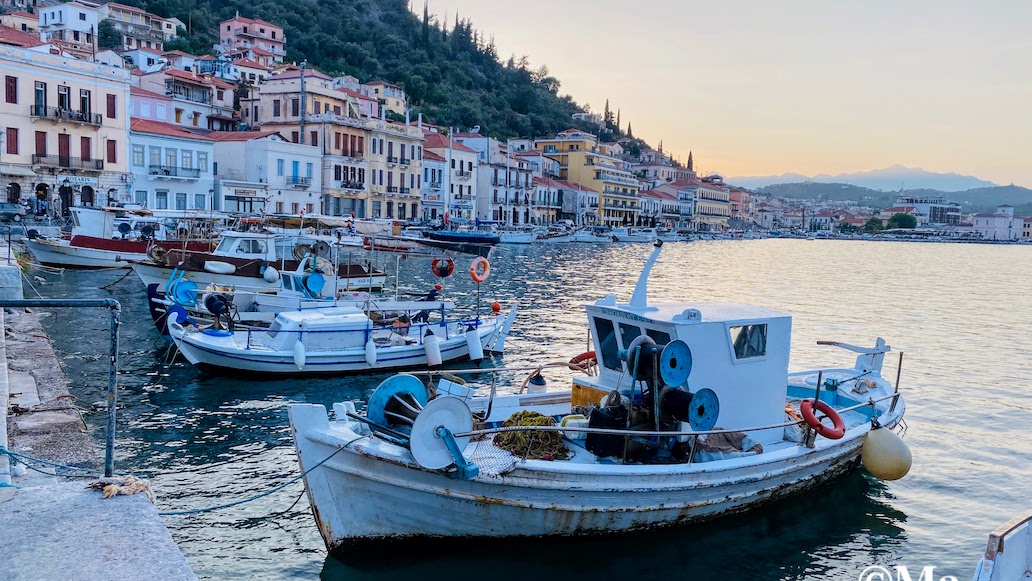
The daily rhythm of a Halkidiki fishing village begins long before dawn, when small wooden caiques painted in the traditional blue and white of the Greek flag motor out of quiet harbors into still-dark waters. These boats, many passed down through generations and maintained with loving care, typically pursue catches using methods that have changed little over centuries. Line fishing, small seine nets, and traditional fish traps remain common, particularly among the older fishermen who learned their craft from fathers and grandfathers. In Sarti and other coastal villages, watching the fishing boats return in early morning offers an authentic glimpse into this continuing tradition. The catch brought in each morning directly influences what appears on dinner menus at restaurants like Lauer House, where our commitment to fresh, local seafood means our offerings change with the daily haul.
Traditional fishing techniques in the Aegean reflect both practical necessity and ecological wisdom developed over generations. Fishermen here have long practiced forms of what we would now call sustainable fishing, understanding intuitively that overfishing destroys livelihoods as surely as it depletes fish populations. The use of specific net mesh sizes to allow young fish to escape, respect for seasonal breeding periods, and rotating fishing grounds to prevent local depletion represent inherited knowledge that modern marine biologists increasingly recognize as valuable. Some fishing families maintain the tradition of trammel net fishing for specific species, while others specialize in setting long-lines for quality fish prized by local restaurants. This specialization has created a informal marketplace where restaurants know which fishermen to approach for particular catches.
The connection between fishermen and the culinary traditions of Halkidiki cannot be overstated. Traditional recipes for preparing fish evolved specifically around the species commonly caught in these waters - sea bream, sea bass, sardines, anchovies, octopus, and squid all feature prominently in local cuisine because they are what the nets bring in. Cooking methods like charcoal grilling, salt-baking, and preparing fish soup (kakavia) developed as practical responses to handling the daily catch, with nothing wasted. At Lauer House, we maintain relationships with local fishing families that allow us to source the freshest possible ingredients, prepared according to methods that honor both the fishermen efforts and the culinary traditions of the region. Our grilled fresh fish, selected daily based on the best available catch, continues this connection between sea and table.
For visitors interested in experiencing fishing culture firsthand, several opportunities exist throughout Halkidiki. Some fishing villages offer early-morning boat trips where tourists can accompany fishermen on their rounds, learning about techniques while watching the sun rise over the Aegean. The small harbors of villages like Ormos Panagias and Neos Marmaras provide atmospheric settings for photography and observation of boats being prepared and catches being sorted. Local festivals often feature fishing traditions, including boat blessings and seafood-centered celebrations that bring communities together. Markets where fishermen sell directly to the public offer opportunities to purchase fresh catch and interact with the people who harvested it. These experiences, combined with dining at establishments that prioritize local sourcing, connect visitors to an aspect of Greek culture that tourist brochures rarely capture - the ongoing, daily relationship between Mediterranean communities and the sea that has sustained them for countless generations. The colorful fishing boats moored in village harbors make for iconic photographs that capture the essence of Halkidiki maritime heritage.