For vegetarians and vegans traveling to Greece, the Mediterranean diet presents a paradise of possibilities that often surprises first-time visitors. While Greek cuisine is certainly known for its lamb, seafood, and dairy products, the reality is that plant-based eating has deep roots in Hellenic food culture, stemming largely from the Orthodox Christian tradition of fasting periods called "nisteia." During these periods, which can encompass nearly half the year for devout practitioners, animal products are completely avoided, leading to the development of an incredibly rich repertoire of vegan dishes that have become beloved staples of Greek cooking regardless of religious observance.
The traditional Greek diet relies heavily on vegetables, legumes, grains, and the incomparable Greek olive oil, making it naturally accommodating to plant-based eaters. Dishes like fasolada, a hearty white bean soup considered by many to be the national dish of Greece, require no modification to be completely vegan. Similarly, gigantes plaki - giant beans baked in tomato sauce - briam (Greek ratatouille), and imam bayildi (stuffed eggplant) represent substantial, satisfying meals that happen to contain no animal products. The famous Greek salad, when ordered without feta cheese, becomes a refreshing vegan option featuring the ripest tomatoes, crisp cucumbers, and pungent onions dressed simply with olive oil and oregano. At Lauer House in Sarti, we take pride in our vegetable dishes, prepared with produce from local gardens and traditional recipes passed down through generations.
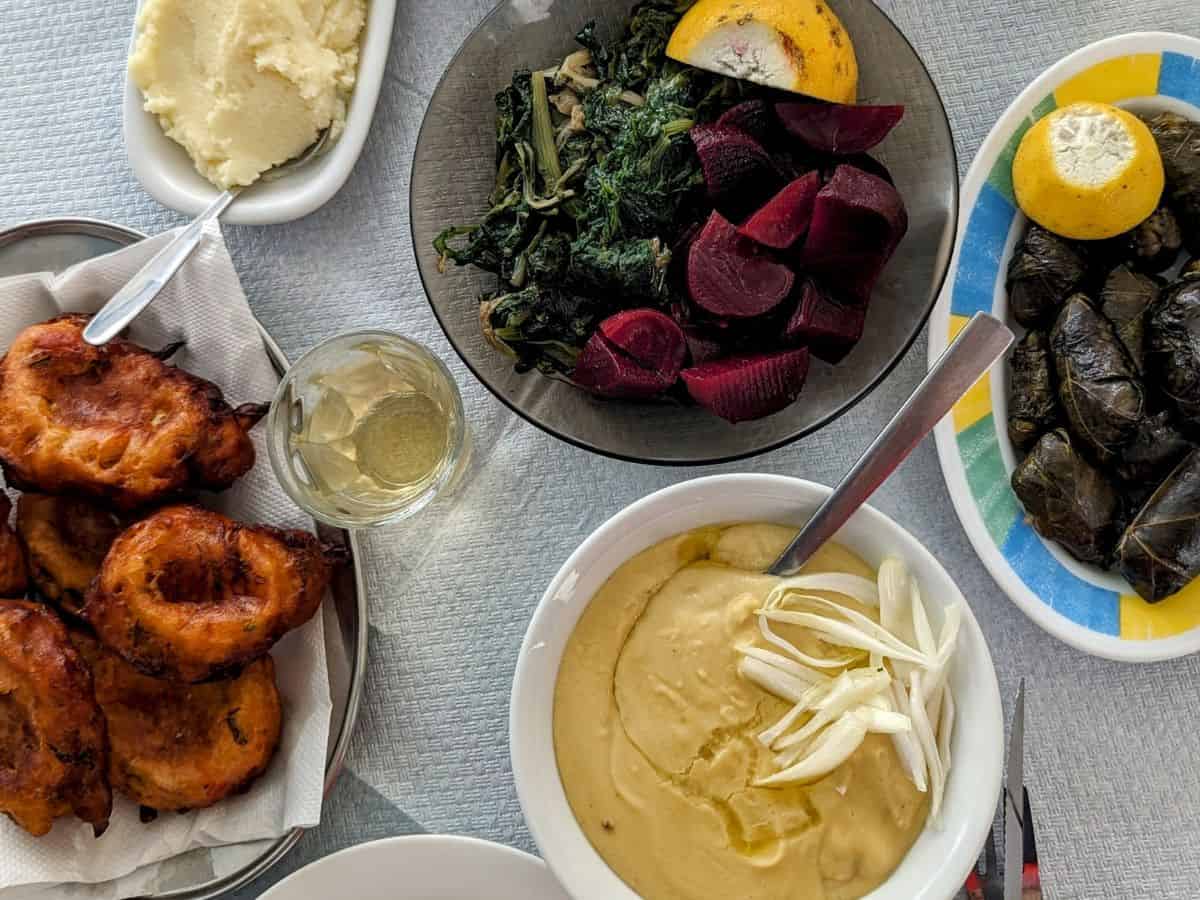
The meze tradition proves particularly advantageous for vegetarian diners, as many small plates naturally exclude meat. Classics like melitzanosalata (smoky eggplant dip), skordalia (garlic potato spread), dolmadakia (stuffed vine leaves - though check if made with rice or meat), and kolokithokeftedes (zucchini fritters) offer varied flavors and textures perfect for sharing. Wild greens, known as horta, represent another cornerstone of Greek vegetarian cuisine - these foraged leaves, simply boiled and dressed with lemon and olive oil, provide exceptional nutrition and a taste of the Greek countryside. The famous spanakopita (spinach pie) and its variations using other greens can be found in versions without cheese during fasting periods, though you may need to ask specifically.
When dining out in Sarti and throughout Sithonia, communication is key to ensuring your dietary needs are met. Most Greek restaurateurs are familiar with vegetarian requests, though the concept of strict veganism may require more explanation. Learning a few Greek phrases helps: "Είμαι χορτοφάγος" (I am vegetarian) and "Χωρίς κρέας" (without meat) will serve you well. Be aware that some dishes like Greek salad automatically come with feta cheese unless you specify otherwise, and fish stock may be used in some vegetable dishes. The best strategy is to engage your server in conversation about ingredients, something Greeks generally appreciate as it shows interest in their cuisine. At quality restaurants in Sarti, staff are accustomed to accommodating dietary restrictions with genuine hospitality.
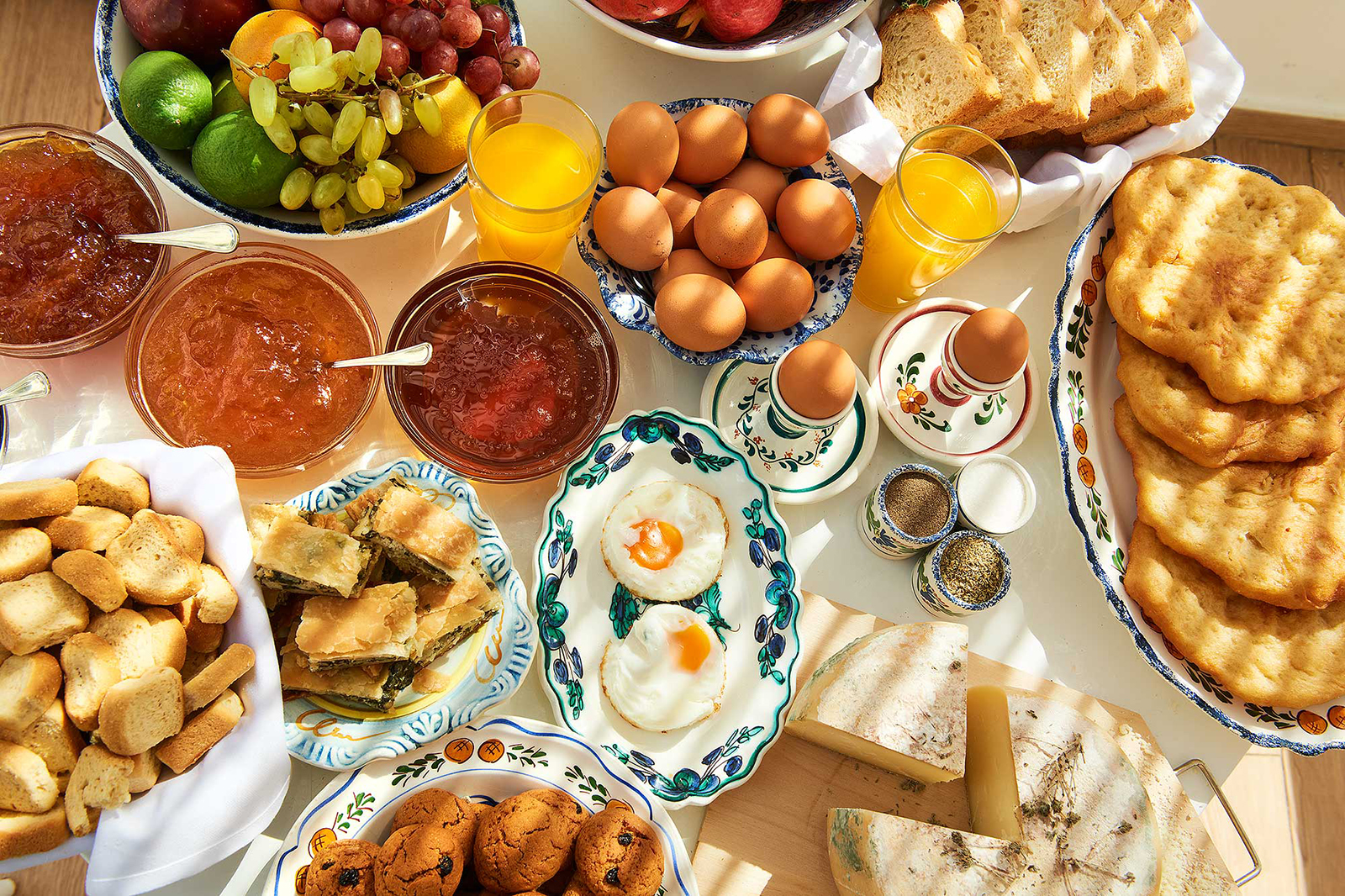
Beyond traditional restaurants, exploring local markets and food shops opens additional plant-based possibilities. Greek bakeries offer various tyropita and spanakopita options, and during fasting periods, specifically vegan versions appear. Farmers markets overflow with seasonal produce, local honey, olives, and dried legumes perfect for self-catering. The local products of Halkidiki include exceptional olive oils, wines, and preserved vegetables that make wonderful additions to any vegetarian kitchen. For those interested in learning to prepare Greek vegetarian dishes themselves, consider joining a cooking class during your visit, or simply ask your hosts to share their family recipes - Greeks love discussing food, and many traditional grandmothers pride themselves on their fasting-period specialties that have been refined over generations. Whether enjoying a traditional Greek breakfast of fresh bread with tomato and olive oil or a full dinner of mixed meze plates, vegetarian visitors to Halkidiki discover that eating well without meat is not merely possible but genuinely delicious.